 on Google


Table Mountain National Park
Size
221 km2 (85 sq mi)
Founded
1998
Best time to visit
Late October to early May
Table Mountain: Where city meets wilderness
Sweeping up from its dramatic coastline to its iconic peaks, Table Mountain National Park boasts breathtaking landscapes, abundant biodiversity and a playground for outdoor fun, all without leaving Cape Town’s city limits. Explore miles of trails, ride the cableway, see magnificent marine life, or face the elements at the Cape of Good Hope. Here, nature, culture and breathtaking coastal scenery turn your holiday into an unforgettable escape to remember forever.
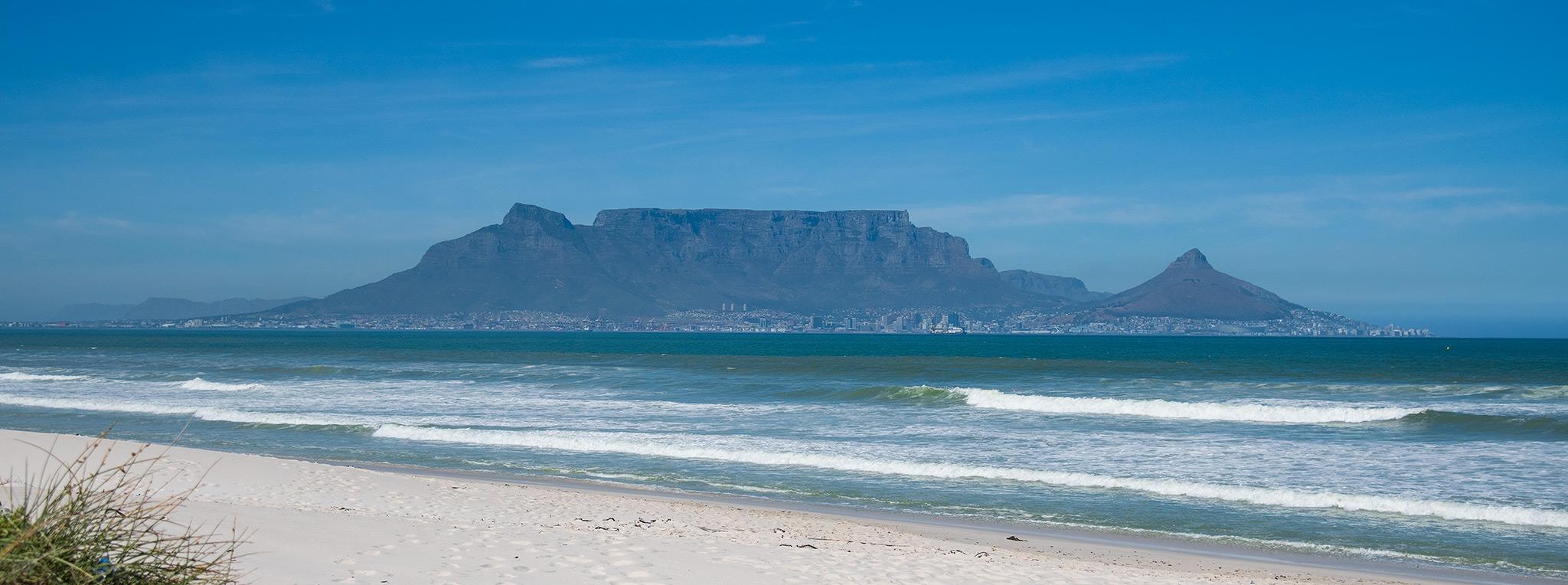
Table Mountain National Park: The Wild Heart of Cape Town
Stretching along South Africa’s Cape Peninsula, Table Mountain National Park is a natural playground which forms the wild and scenic soul of the Mother City, Cape Town.
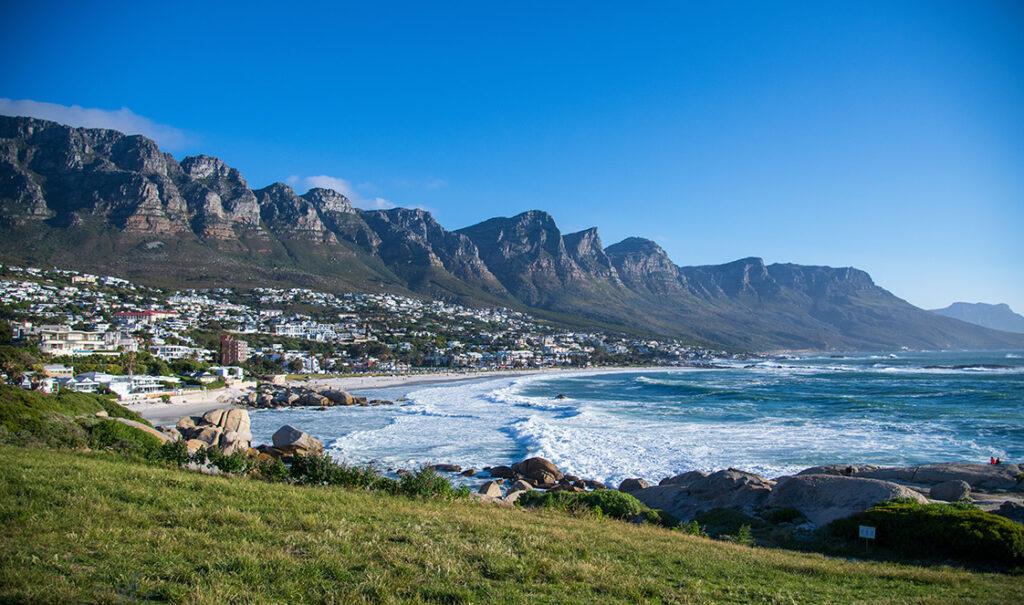
Even from a distance, the park sparks the imagination, embodied by the iconic silhouette of the flat-topped Table Mountain.
With its craggy coastline punctuated by sandy beaches, rare life forms and a wealth of outdoor experiences, the park is one of South Africa’s most visited national parks and a designated UNESCO World Heritage Site.
Unlike many national parks, Table Mountain National Park is not one contiguous reserve, but a series of protected areas woven into Cape Town’s urban fabric.
It includes the summit of Table Mountain and its cableway, the Cape of Good Hope, Tokai, Boulders Beach and Silvermine, as well as stretches of the peninsula’s rugged coastline.
Therefore, each segment offers a unique experience of nature, history and the elements.
The park’s centrepiece and most visited section is Table Mountain, one of the New7Wonders of Nature and globally synonymous with South Africa. Visitors can reach the 1,086-metre summit via a network of hiking trails or via the aerial cableway on its northwestern face.
No matter how you get there, the sweeping views over the city, Table Bay and the Atlantic Ocean are not easily forgotten. On top, a world of endemic fynbos vegetation, dizzying cliffs and panoramic lookouts awaits.
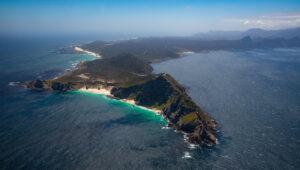
The park’s southernmost section is the Cape of Good Hope. Here, visitors are awed by the untamed beauty and myth-inspiring landscapes.
Often mistaken for Africa’s southernmost tip, this windswept promontory is also rich in life forms and cloaked in history.
For a chance to see some wildlife, including rock hyrax (dassies), baboons, eland, whales and seabirds, hike up to the Cape Point Lighthouse
One of the key reasons for the park’s formation was to protect a large portion of the Cape Floristic Region, the smallest yet most diverse of the six floral kingdoms.
An astonishing 2,200 plant species, of which many are found nowhere else, can be found here.
For botanists, this is heaven, although nature lovers will be equally captivated by their diversity and the life they attract.
The wildlife is as endearing, from endangered African penguins at Boulders Beach to mischievous troops of Chacma baboons, rock hyraxes and, if you’re very lucky, Cape clawless otters.
In winter (June to November), the shoreline is frequented by migratory whales, occasionally spotted from numerous vantage points.
For many outdoor enthusiasts, Table Mountain National Park is close to paradise. Every day sees dozens of runners, mountain bikers, climbers and paragliders crisscrossing the mountain slopes.
Meanwhile, on the coastline, visitors can be found surfing, snorkelling, scuba diving around shipwrecks and frolicking in safe, tidal pools. Several ‘urban’ beaches, including Clifton, Camps Bay and Noordhoek, fall within the park’s boundaries.
There is no shortage of accommodation and dining options in and around Cape Town, but within the park, it is limited to two cottages and two tented camps.
These self-catered facilities are situated away from the beaten path, giving guests a sense of wilderness and solitude.
Table Mountain National Park delivers a rare mix of raw nature and urban convenience, making it a great destination for adventurers, solitude seekers, families and senior travellers.

Nature in the city
Table Mountain National Park stretches across Cape Town, merging urban life with scenic landscapes and pristine nature.

Global Recognition
In 2004, the park’s fynbos habitat was accorded UNESCO status, and in 2011, Table Mountain was declared a New7Wonders of Nature.

Tons of trails
Over 350 trails crisscross the national park, offering scenic hikes, rock climbing and stupendous views of Cape Town and the ocean.
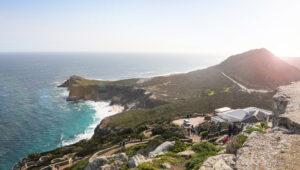
Table Mountain National Park includes Table Mountain itself, the Cape of Good Hope, Tokai, Boulders Beach and Silvermine, plus areas along the Cape Peninsula.
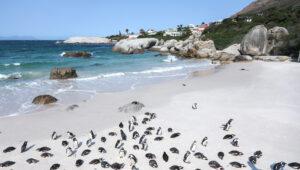
You can observe endangered penguins at Boulders Beach.
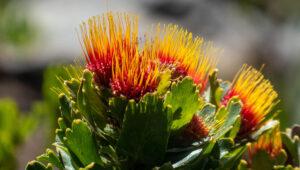
Table Mountain National Park is part of the Cape Floral Kingdom, one of the most biodiverse plant kingdoms on earth.
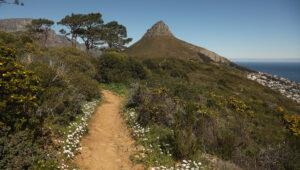
Table Mountain National Park is a paradise for nature lovers and active travellers, with trails and hikes to suit all levels, most offering stunning views over the ocean and the city.
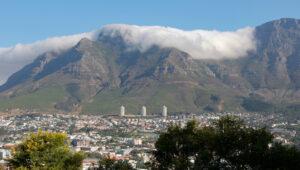
The famous “tablecloth” cloud often flows over the summit of Table Mountain.
WHEN TO GO
Best time to visit Table Mountain National Park
Table Mountain National Park is open to visitors throughout the year. The best time to visit is from October to April, when you can expect warm, dry summer conditions. These months are marked by clear skies, ideally for hiking and other outdoor activities.
During spring (September to November), the fynbos vegetation blooms, and milder conditions make it ideal for nature walks.
The park falls within a winter rainfall region (June to August), and the weather can be cold, with rain and occasionally limited visibility due to clouds and fog.
It is, however, quieter, with opportunities for whale watching along the coast. Always check weather conditions before outdoor activities.

Dry Season
November to MayIdeal for hiking and outdoor sports

Rainy Season
May to OctoberBest for whale watching
Experience Table Mountain National Park
Private Self-Drive Tour
South Africa and the Garden Route
Places Cape Town, the Garden Route, Tsitsikamma National Park, Addo Elephant National Park, Oudtshoorn, Cape Winelands
15 Days
from getting current exchange rate... per person sharing
Small Group Lodge Tour
The Garden Route & Cape Wonders
Places Wilderness, Knysna, Tsitsikamma National Park, Oudtshoorn, Hermanus, Betty’s Bay, Stellenbosch, Helderberg Mountain, Cape Peninsula, Cape Town
8 days
from getting current exchange rate... per person sharing
Small Group Lodge Tour
Fascinating South Africa
Places Pretoria, Drakensberg Mountains, iSimangaliso Wetland Park, St. Lucia Estuary, Hluhluwe-iMfolozi Park, Pongola Game Reserve, Swaziland, Kruger National Park, Garden Route, Cape Peninsula, Cape Town
20 Days
from getting current exchange rate... per person sharing
Private Self-Drive Tour
South Africa Highlights
Places Pretoria, Hazyview, Kruger National Park, Eswatini, St Lucia, Durban Umdloti, Oyster Bay, Knysna, Oudtshoorn, Hermanus, Stellenbosch, Cape Town
21 Days
from getting current exchange rate... per person sharing
Small Group Lodge Tour
South Africa – Experience the South
Places Cape Town, Cape Peninsula, Stellenbosch & Franchhoek, Hermanus, Oudtshoorn, Garden Route, Tsitsikamma National Park, Addo Elephant National Park
14 Days
from getting current exchange rate... per person sharing
Why to go
Go wild in the city
Overlaying Cape Town, Table Mountain National Park’s location makes it easy to get a dose of nature within minutes of the city centre. The park blends accessibility with natural beauty and adventure.
From the summit of Table Mountain to the rugged coastline at Cape Point, and from the penguin colony at Boulders Beach to the forests of Silvermine, the park boasts a pleasing diversity of experiences.
Outdoor enthusiasts can hike, climb, paraglide or surf, or enjoy the views from the rotating cableway. Renowned for its floral diversity and endemic wildlife, the park is great for photographers, nature enthusiasts and those seeking solitude.

"One of my favourite memories from Table Mountain National Park is reaching the top after a morning hike and watching the clouds slowly roll over the city below.”Mia | South Africa Travel Expert

Hiking & outdoor activities
Explore trails across mountains, coastline and fynbos landscapes.

Photography
Capture dramatic views of Cape Town, cliffs and ocean.

Birdwatching
Spot seabirds, raptors and many endemic species.

Cableway rides
Ride the cableway to the summit of Table Mountain.
Things to do
Activities abound in Table Mountain National Park
A wide range of outdoor activities is available. These include scenic hikes, cable car rides, bird watching and whale spotting. Outdoors enthusiasts can run, climb, bike or paraglide, as well as surf, swim and dive in mysterious kelp forests.
More laid-back pursuits include beach relaxation, photography and visits to historical points of interest.
- Hiking
- Mountain biking
- Photography
- Bird watching
- Cableway rides

Cape Town hiking experience
Hike scenic trails around Cape Town.

Views of Table Mountain
Enjoy sweeping views of Table Mountain.

Cape Point hike
Hike the dramatic cliffs of Cape Point.
ON FOOT THROUGH TABLE MOUNTAIN NATIONAL PARK
Best hiking trails in Table Mountain National Park
Some of South Africa’s most scenic hiking trails can be found within Table Mountain National Park.
Covering a variety of landscapes and habitats, the views are as varied as the levels of difficulty. Whether on coastal paths or mountain ledges, the park’s natural wonders are there to enjoy.
- Platteklip Gorge
- Skeleton Gorge
- Lion’s Head
- Pipe Track
- Cape of Good Hope Trail
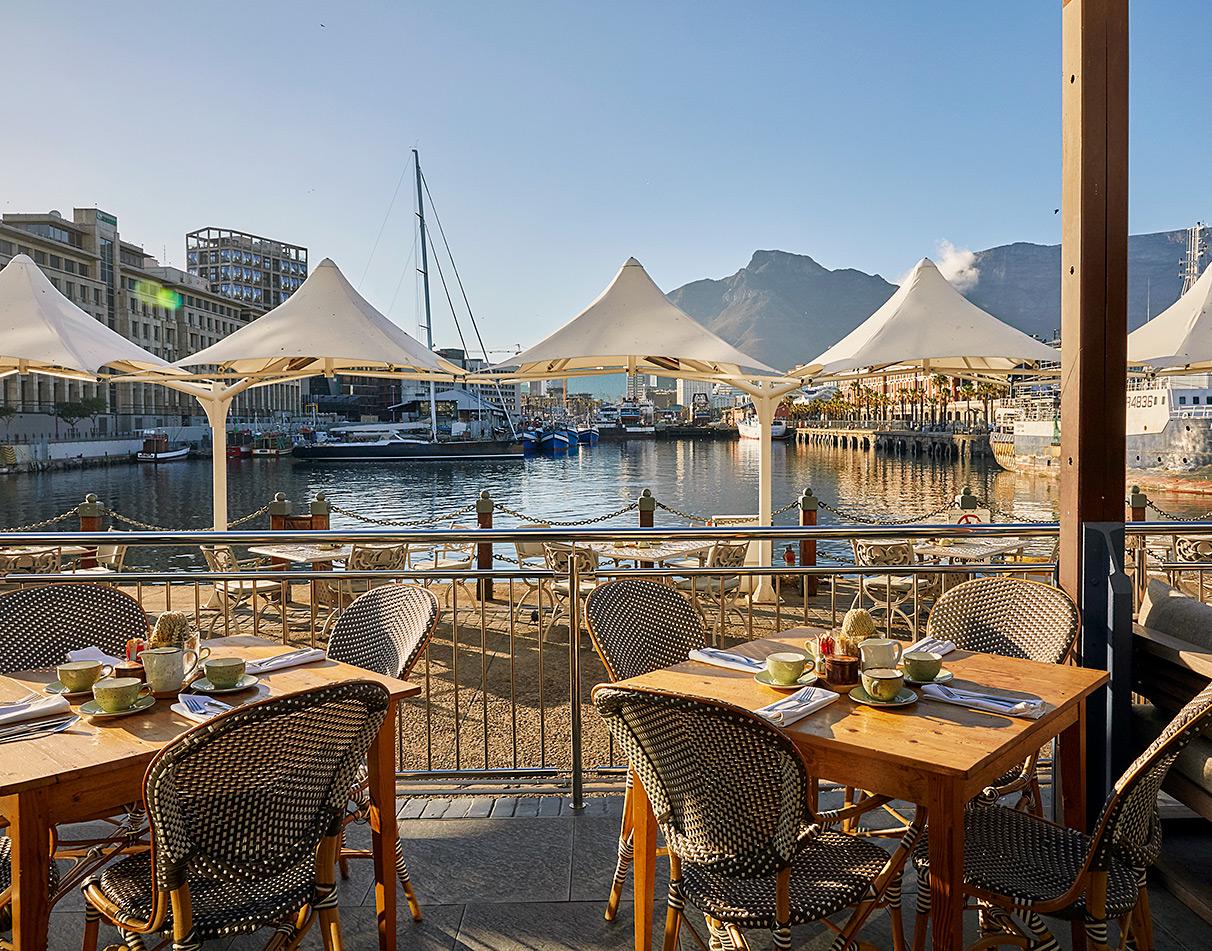
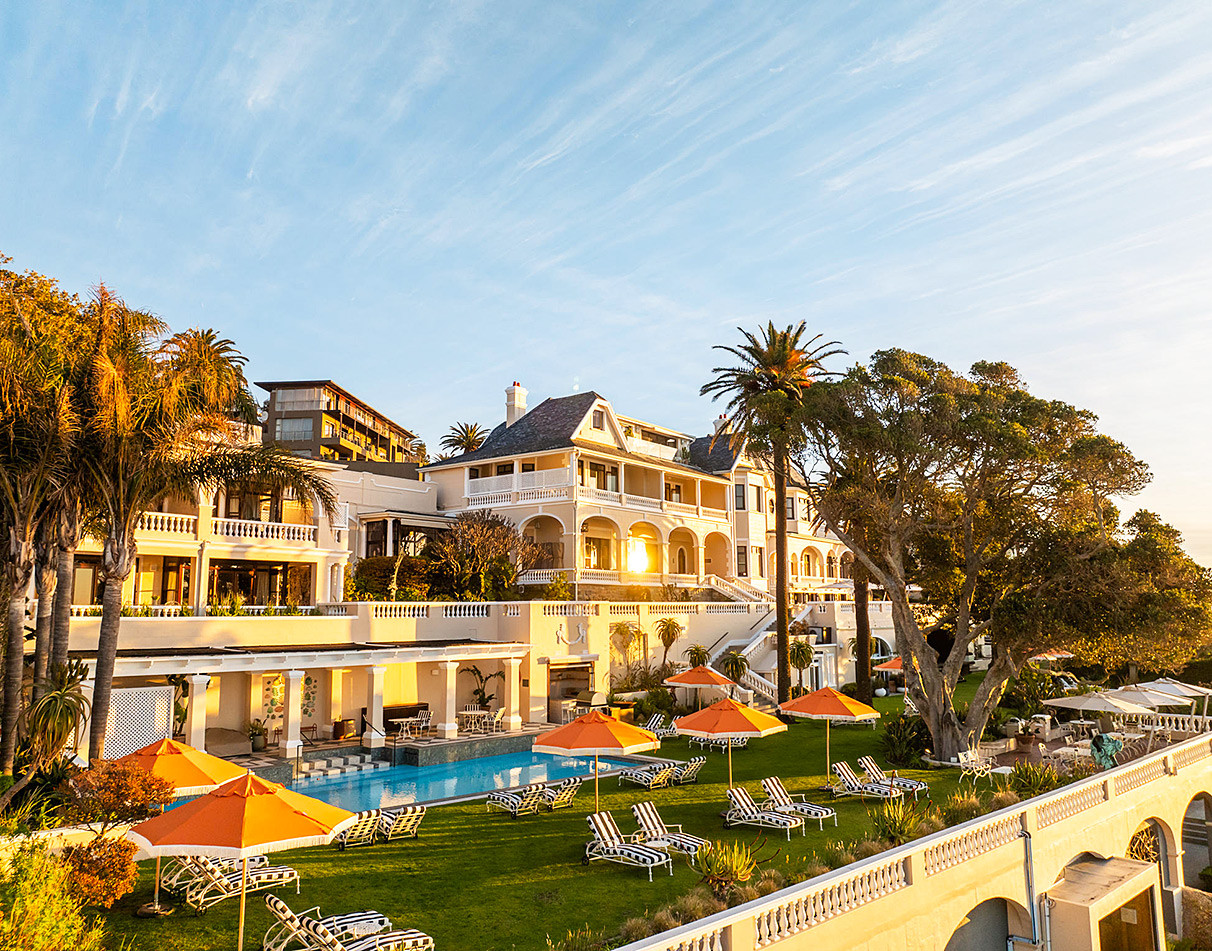
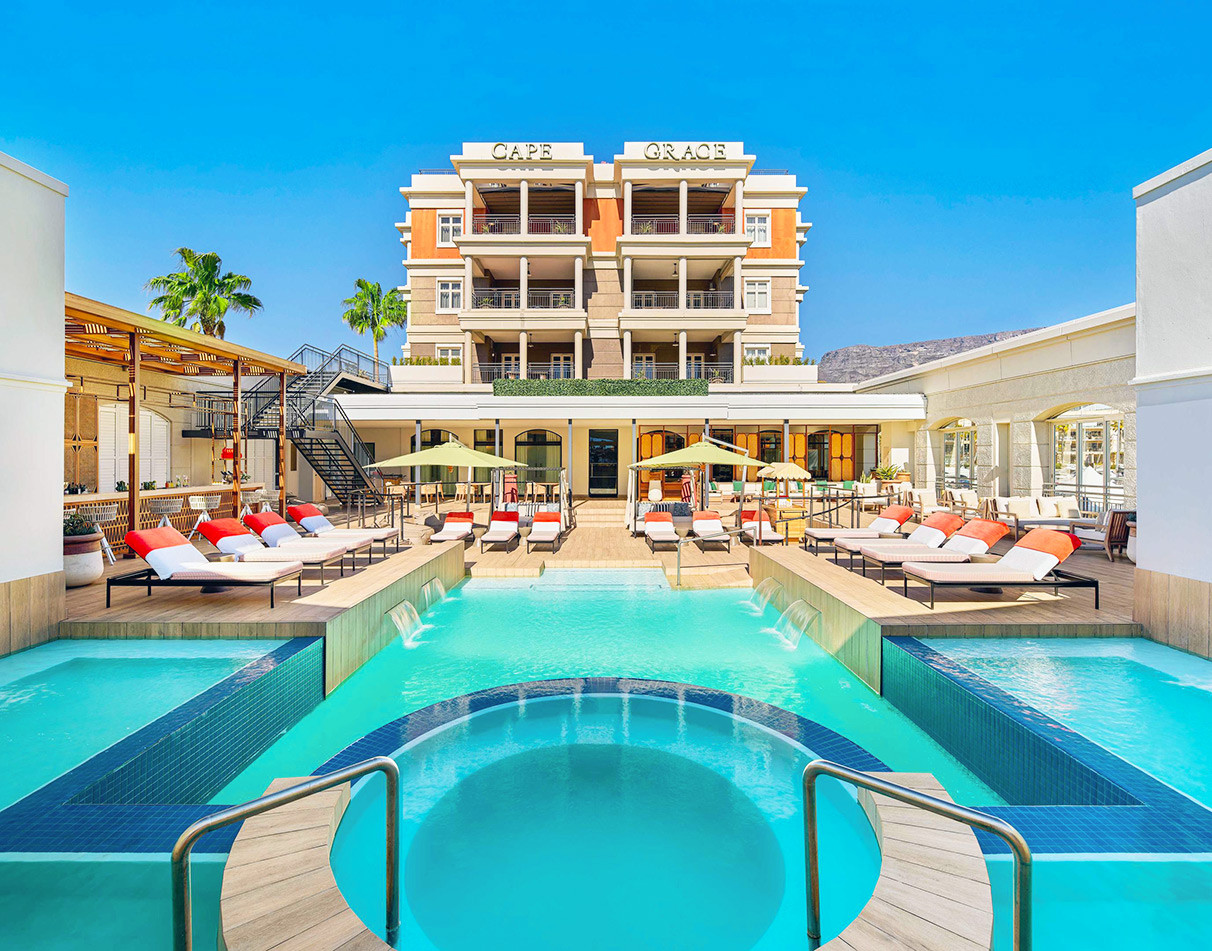
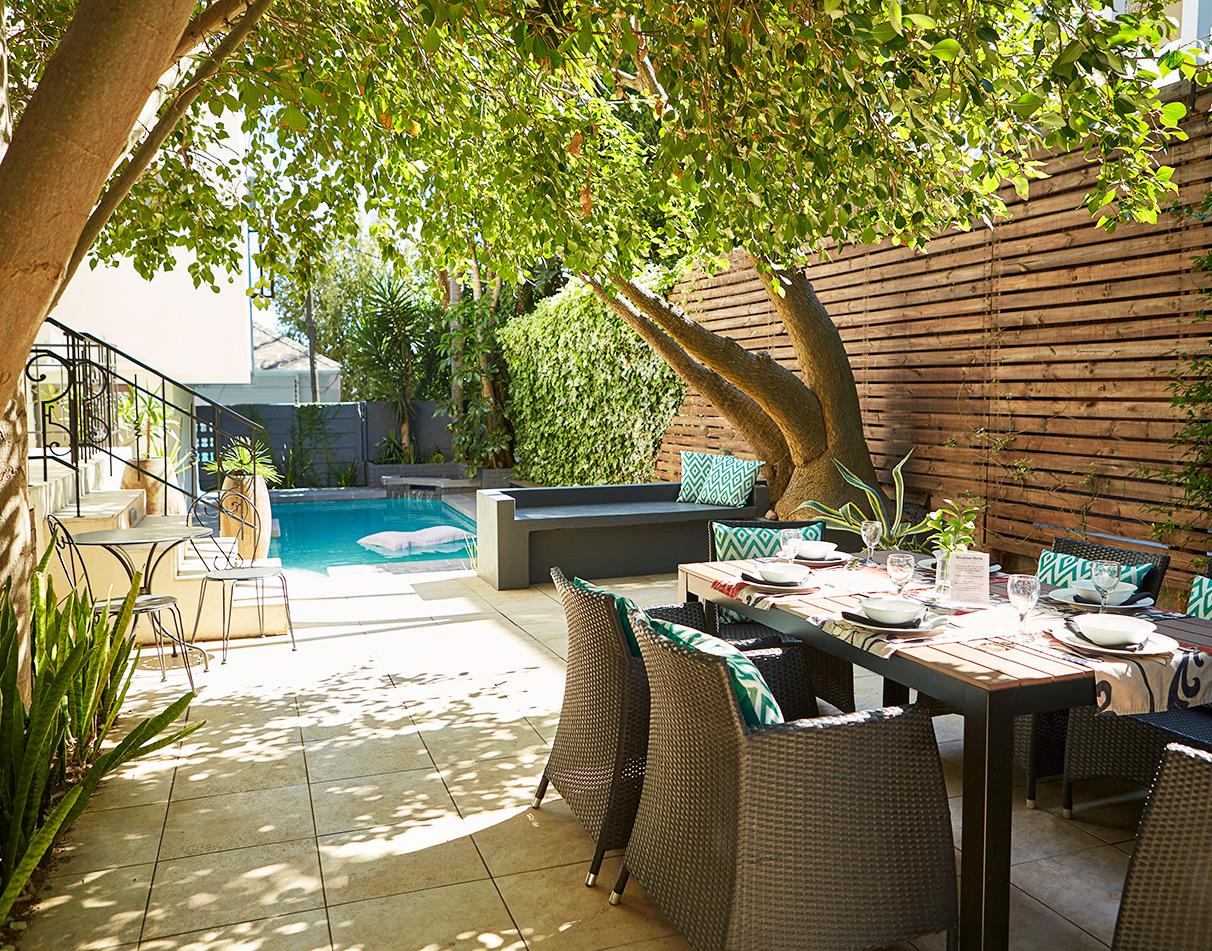
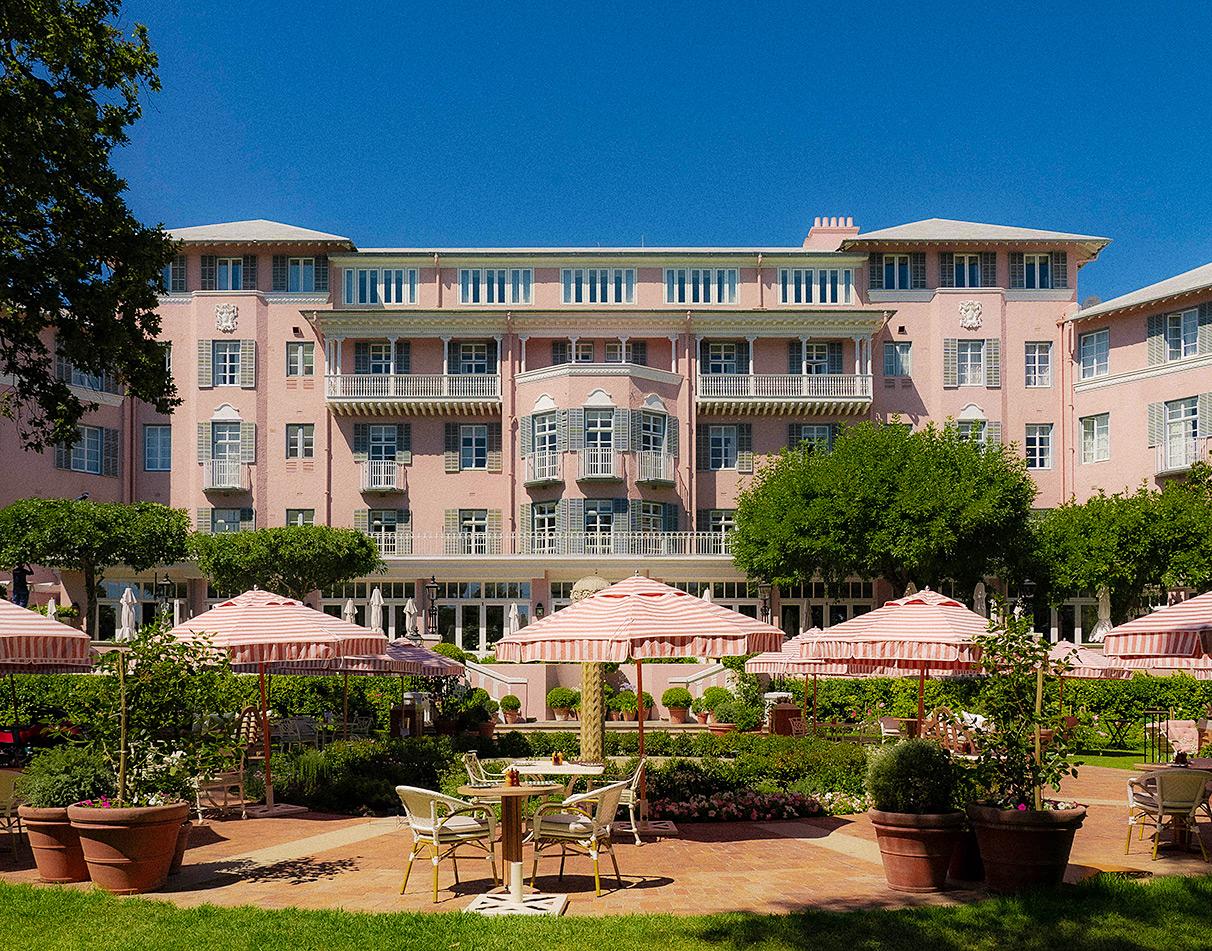
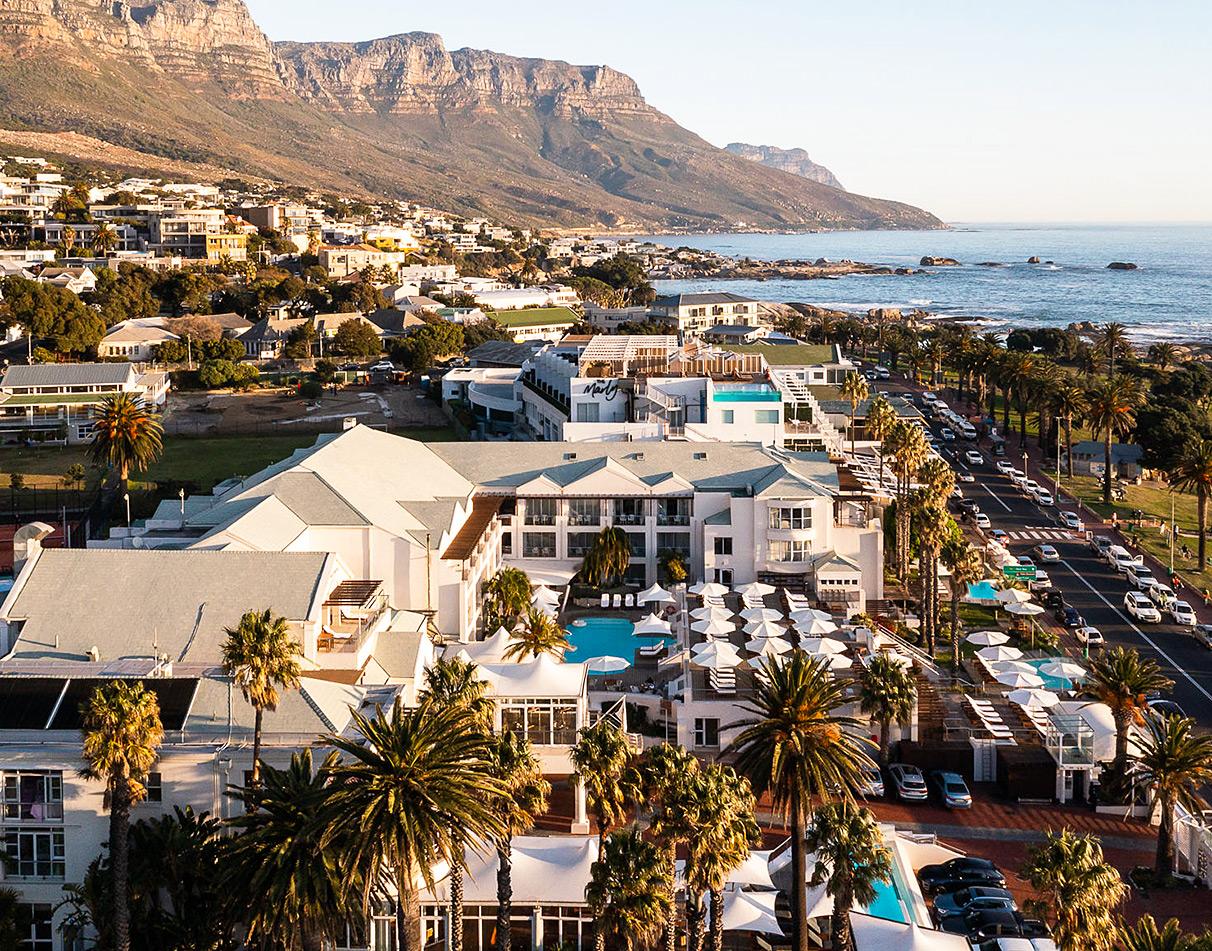
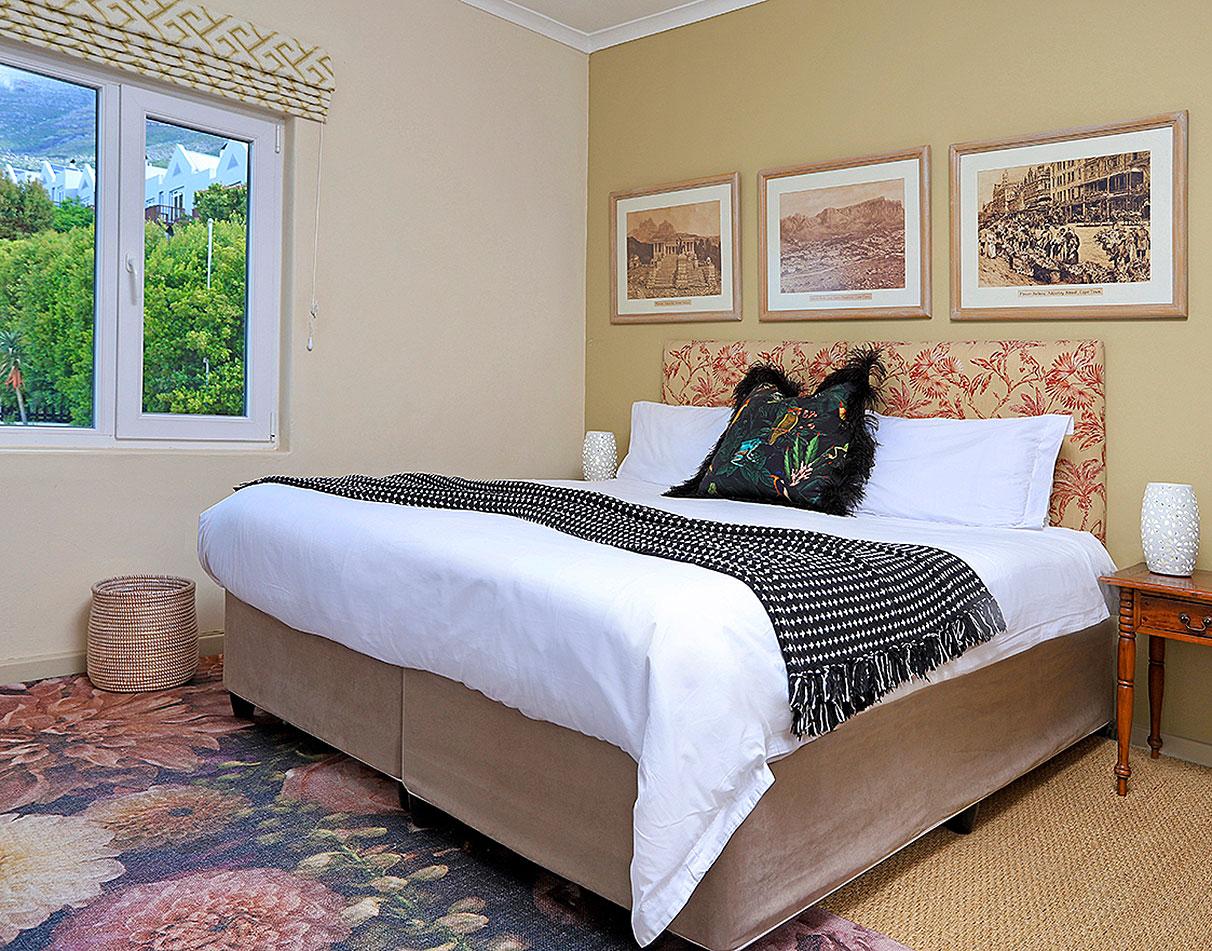
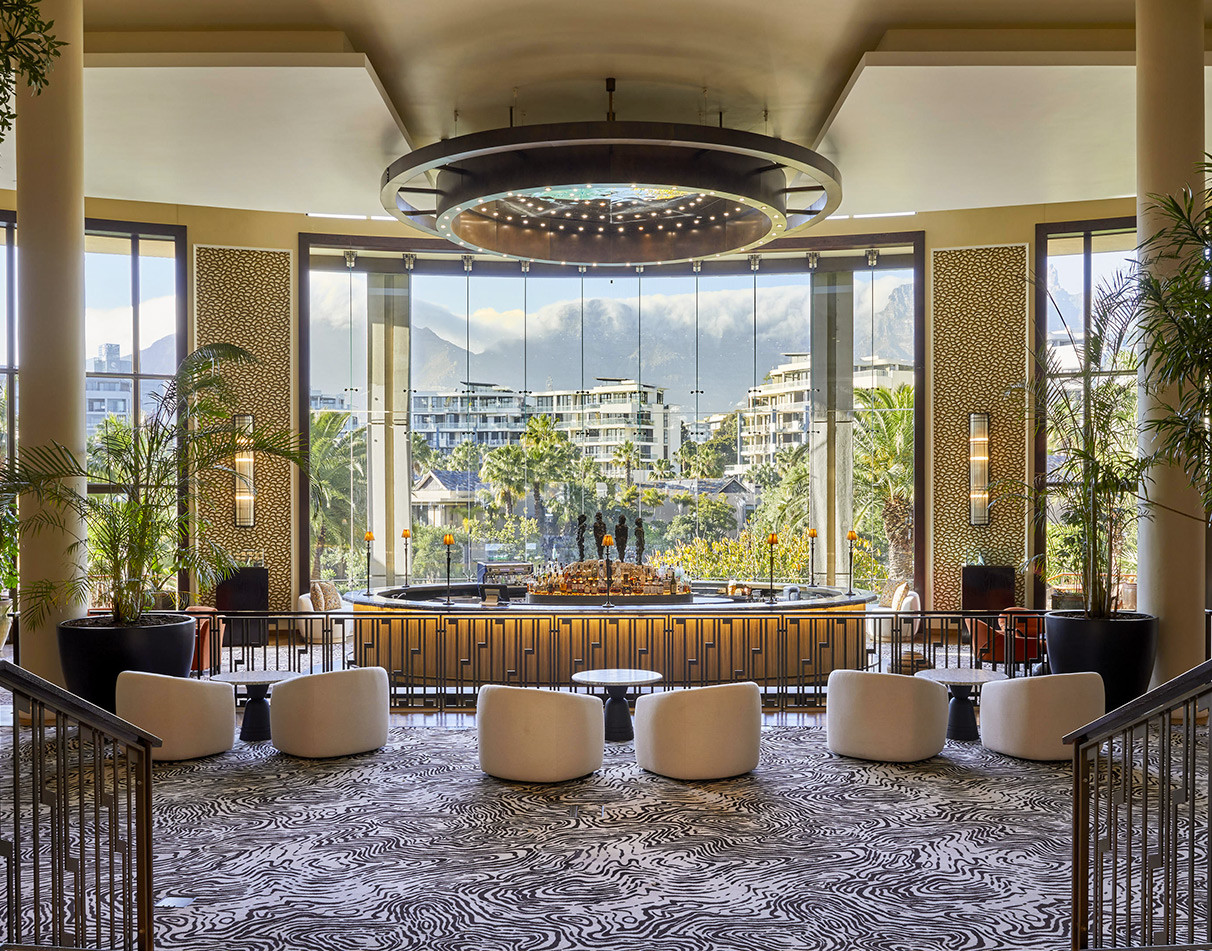
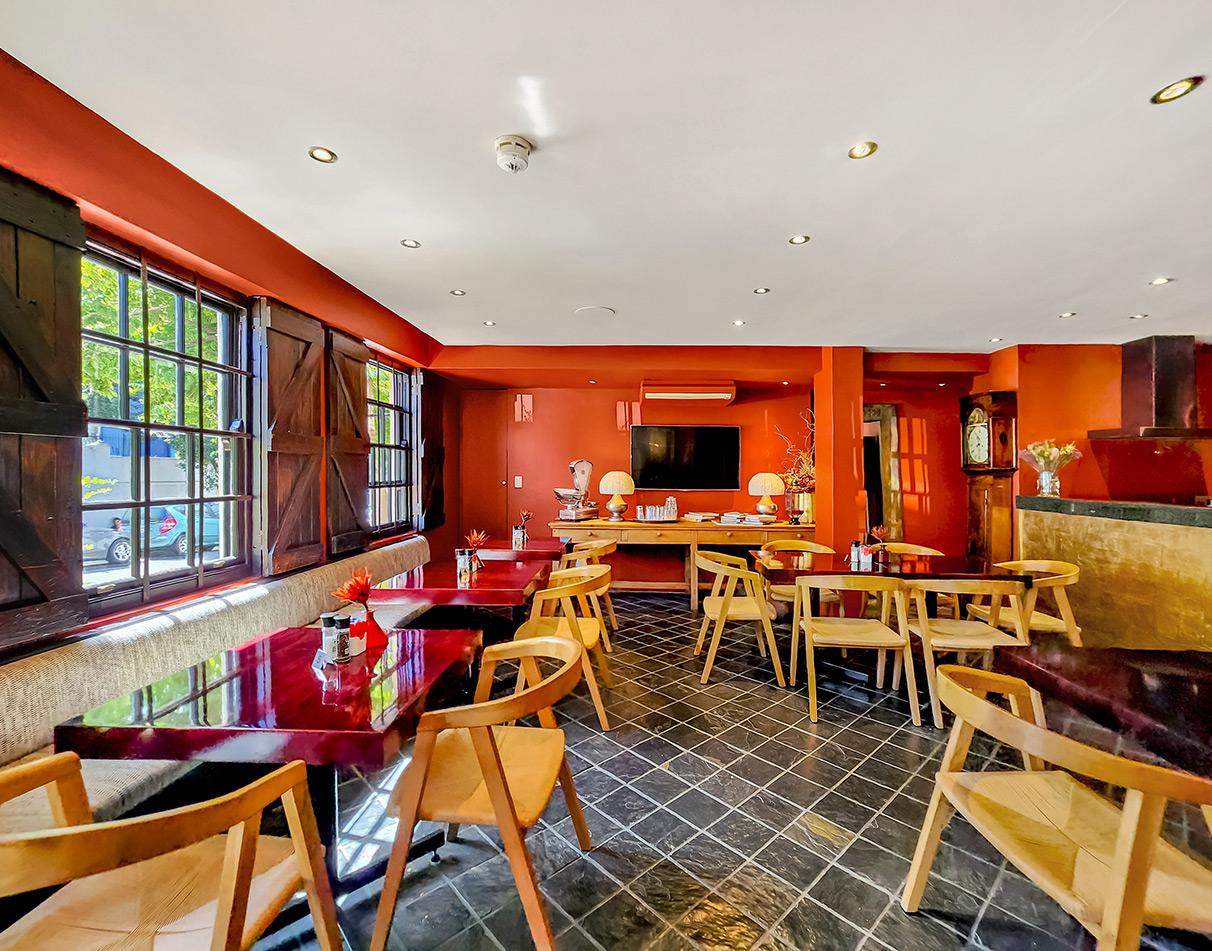
Where to stay in and around Table Mountain National Park

Locations and distances
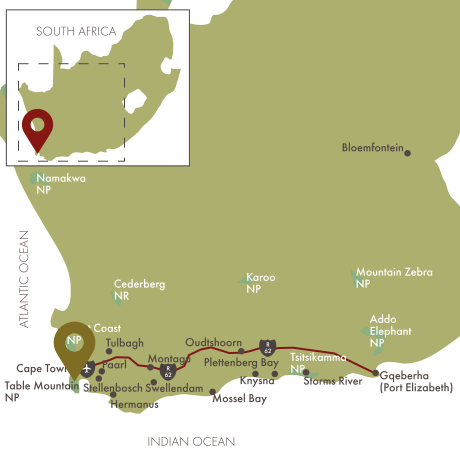
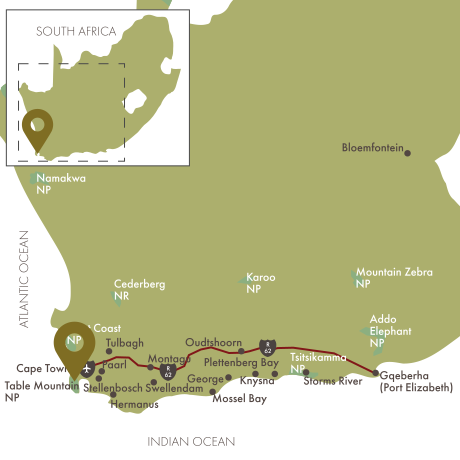
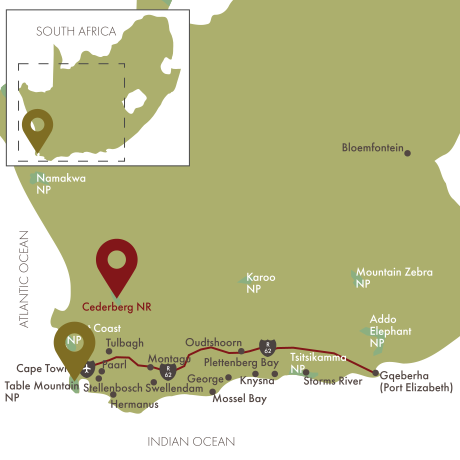
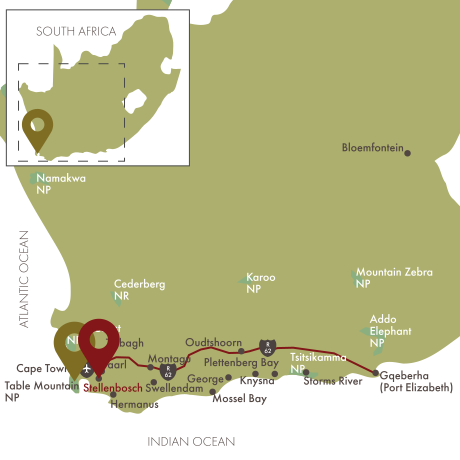
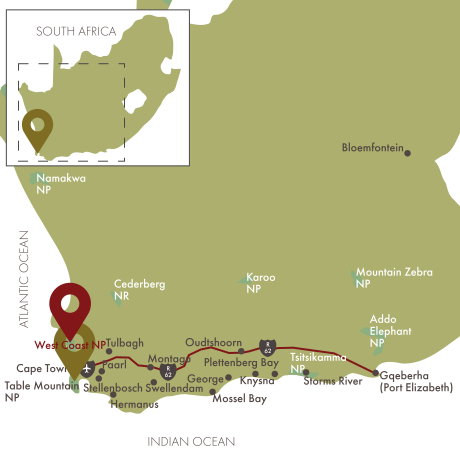
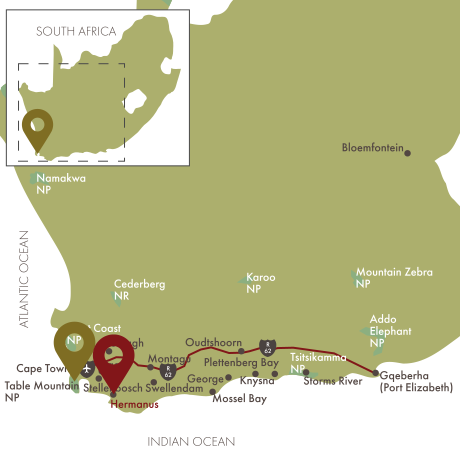
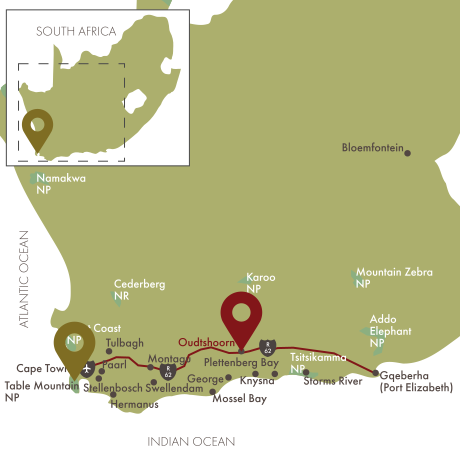
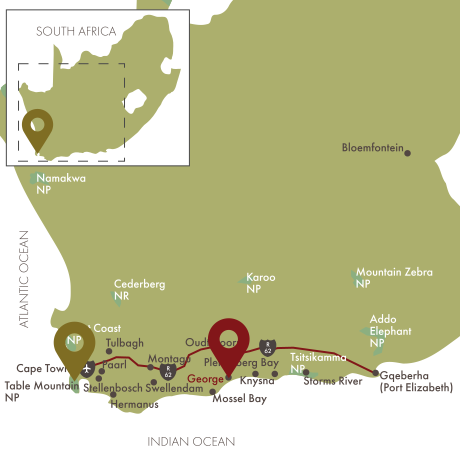
Table Mountain National Park is located within the City of Cape Town’s municipal boundaries, in South Africa’s Western Cape province.
For international arrivals, the nearest airport is Cape Town International, which is serviced directly from numerous European, Middle Eastern and African countries.
For domestic arrivals, Cape Town International is serviced from Bloemfontein, Durban, East London, George, Hoedspruit, Johannesburg, Kimberly, Mbombela, Skukuza and Upington.
As the park falls within the Cape Town urban area, it can be easily accessed by road at a number of entry points where admission fees are payable.
- Table Mountain National Park (Cable car Station)
- Cederberg 235 km | 3 hours by road
- Stellenbosch 60 km | 1 hour by road
- West Coast National Park 95 km | 1.5 hours by road
- Hermanus 130 km | 2.5 hours by road
- Oudtshoorn 425 km | 5 to 6 hours by road
- George 445 km | 5.5 to 6 hours by road | 55 minutes by flight

Experience South Africa with us
Speak to one of our local advisors
x
Let's start planning your trip!
We will get back to you within 2 working days.