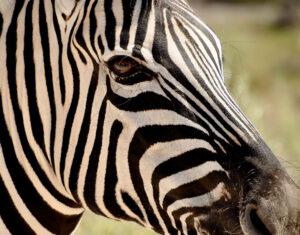
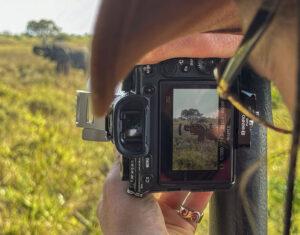
Get close enough to capture the big and small moments.
Colourful culture, wonderful wildlife and legendary landscapes: South Africa has it all
If you have a passion for photography, a photo safari in South Africa could just be your dream vacation.
From the jagged Drakensberg peaks silhouetted against a crisp blue sky to golden grasslands stalked by big cats in the Kruger National Park, every turn offers a new composition.Â
Add dramatic coastal scenery, cosmopolitan Cape Town and a vast arid interior, and you have one of the world’s most diverse photographic playgrounds.
With tailored South African photo safari packages available, you’ll capture landscapes, wildlife and culture in one unforgettable journey.
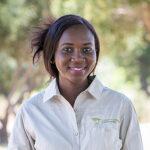
"Whether you’re a professional photographer or simply enjoy taking photos while travelling, a photo safari adds an exciting extra dimension to the experience."Marlene | South Africa Travel Expert
In photography, timing is everything, and South Africa delivers opportunities year-round.Â
For wildlife photography, the dry winter months (May to September) are ideal in places like the Greater Kruger National Park. With water scarce, sightings are made easier as animals gather near rivers and dams.
Conversely, the wetter summer months (November to March) bring the lush greenery, vibrant colours and dramatic skies suited to landscape photography.
Dry season: May to October Best for wildlife photography
During the dry season wildlife photography in Gauteng, Free State, Mpumalanga, Limpopo and Northwest Province reaches its peak. This includes Kruger National Park and Madikwe Game Reserve.
Sparse vegetation and clear skies provide excellent visibility and sharp image quality. Animals congregate predictably around scarce water sources, offering dramatic interaction shots and close encounters.
The golden, dried grasslands create stunning warm backdrops, while cooler temperatures keep wildlife active throughout the day.
Reduced foliage means unobstructed sightlines, perfect for capturing clean portraits of Africa’s iconic species against the region’s distinctive winter landscape.
Wet season: November to April Best for bird and newborn wildlife photography
KwaZulu-Natal’s wet season transforms the region into a birdwatcher’s paradise, with over 380 species thriving in lush wetlands. Capture migratory birds in vibrant breeding plumage, aquatic species like pelicans and egrets, and dramatic nesting behaviour.
The Big Five roam through verdant landscapes alongside newborn animals taking their first steps. Green vegetation provides stunning backdrops, while dramatic cloud formations add atmosphere to your shots.
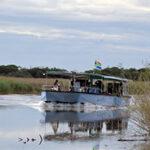
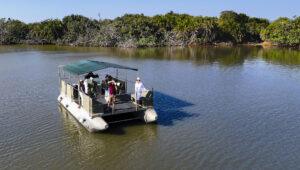
iSimangaliso Wetland Park offers exceptional estuary cruises for waterbird photography in this UNESCO World Heritage Site.
Dry Season: June to August Best for wildlife photography
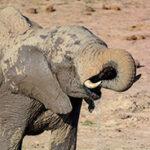
The Eastern Cape’s dry season offers exceptional wildlife photography in malaria-free reserves like Addo Elephant National Park.
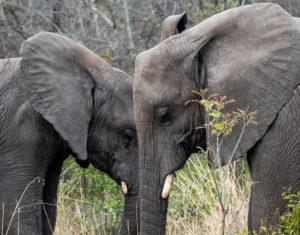
Sparse vegetation provides clear sightlines to the famous elephant herds, Big Five species, and diverse wildlife. Animals congregate around waterholes, creating predictable shooting opportunities and dramatic interactions.
The region’s mild winter climate ensures comfortable conditions, while sunny skies deliver crisp image quality.
Photographers enjoy the unique advantage of combining beach and bush photography, capturing both terrestrial and marine subjects in South Africa’s third-largest national park.
Wet and transition season: June to OctoberBest for Whale watching and Wild Flowers
The Western Cape’s late wet season and spring transition (August to October) creates perfect conditions for diverse photography.
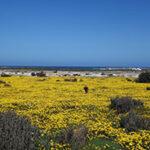
Southern right whales grace the coastline from June through November, with August offering the unique opportunity to capture both breaching whales and spectacular wildflower displays simultaneously.
As winter rains end, vast carpets of colourful blooms blanket the landscape, while whale mothers and calves remain close to shore. This convergence makes late winter to spring ideal for capturing marine and botanical wonders together.
End of Wet season: March – MayBest for landscape photography
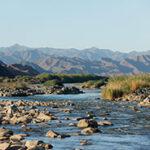
The end of the wet season is ideal for photographers in the Kgalagadi. Fresh rains leave the desert dotted with green, creating striking contrasts against the red dunes.
Wildlife gathers in riverbeds, offering excellent opportunities for close encounters. Dramatic skies, rolling thunderstorms, and soft golden light add mood and atmosphere, turning every scene into a powerful photographic composition.
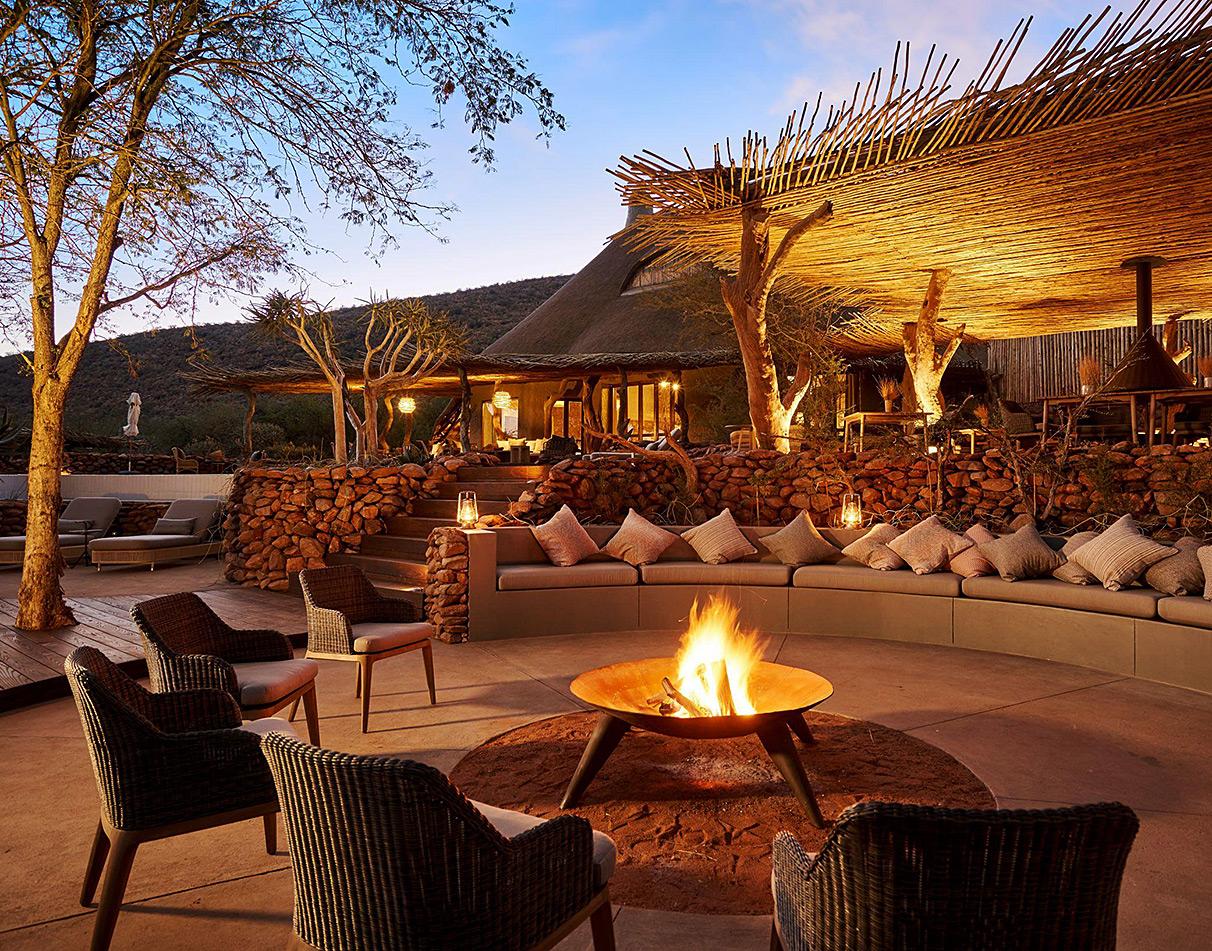
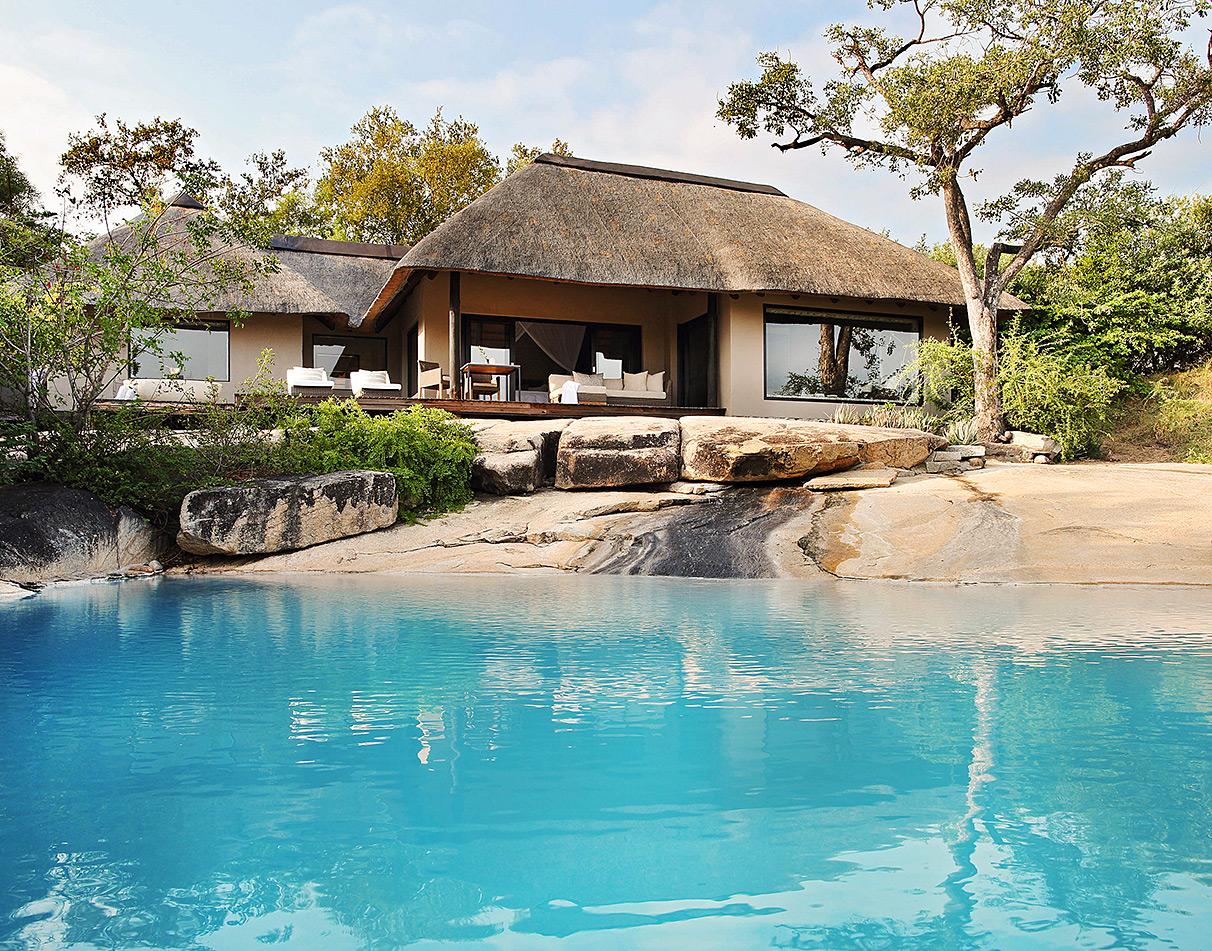
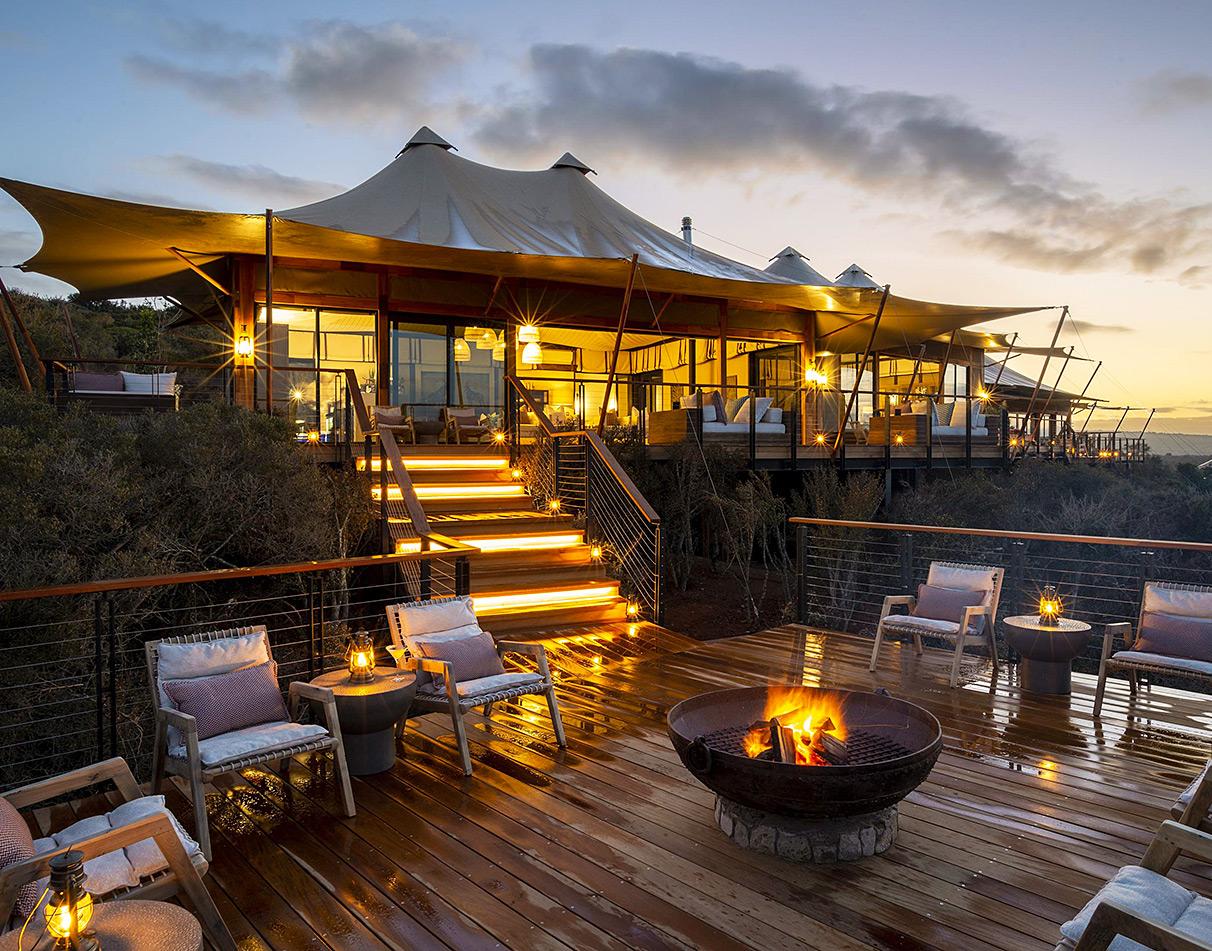
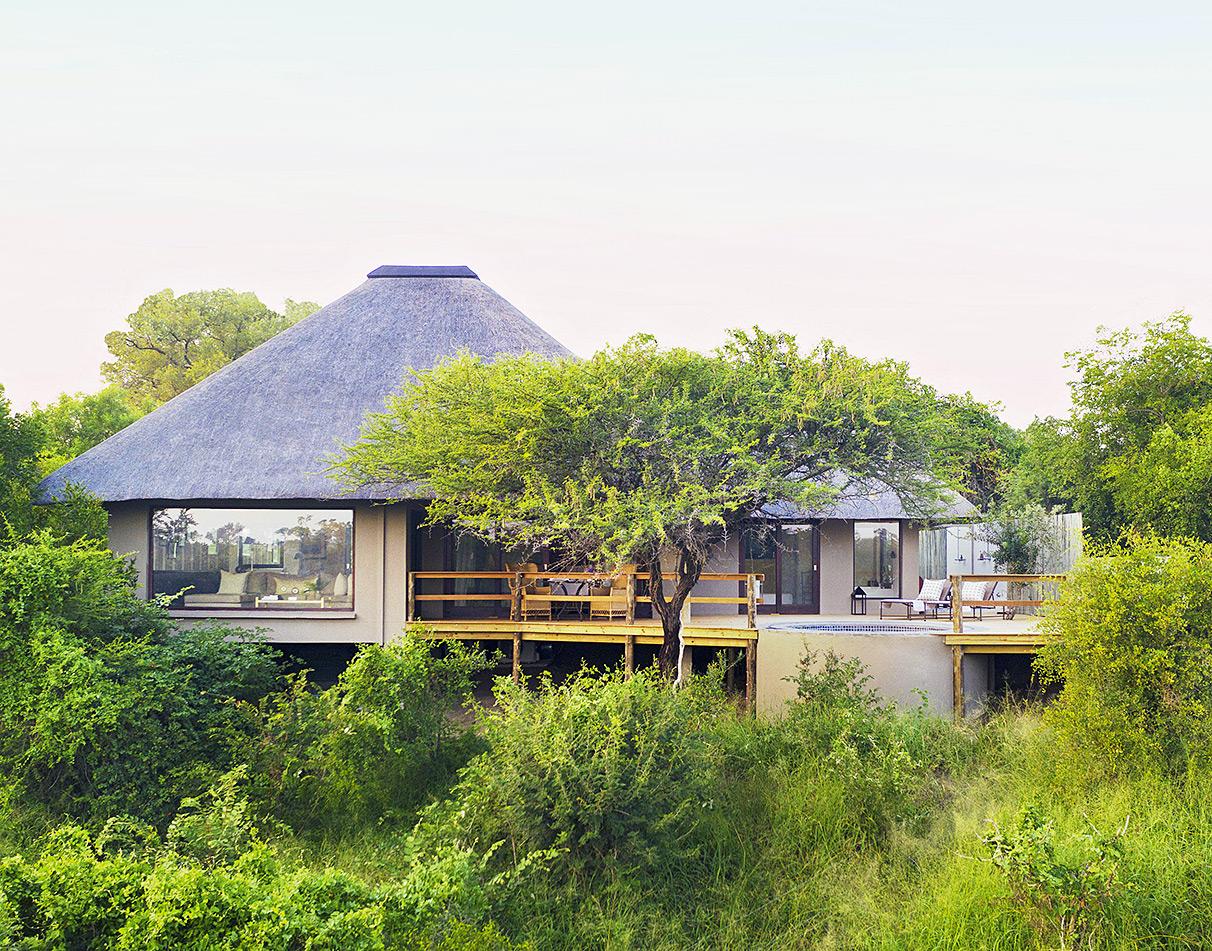
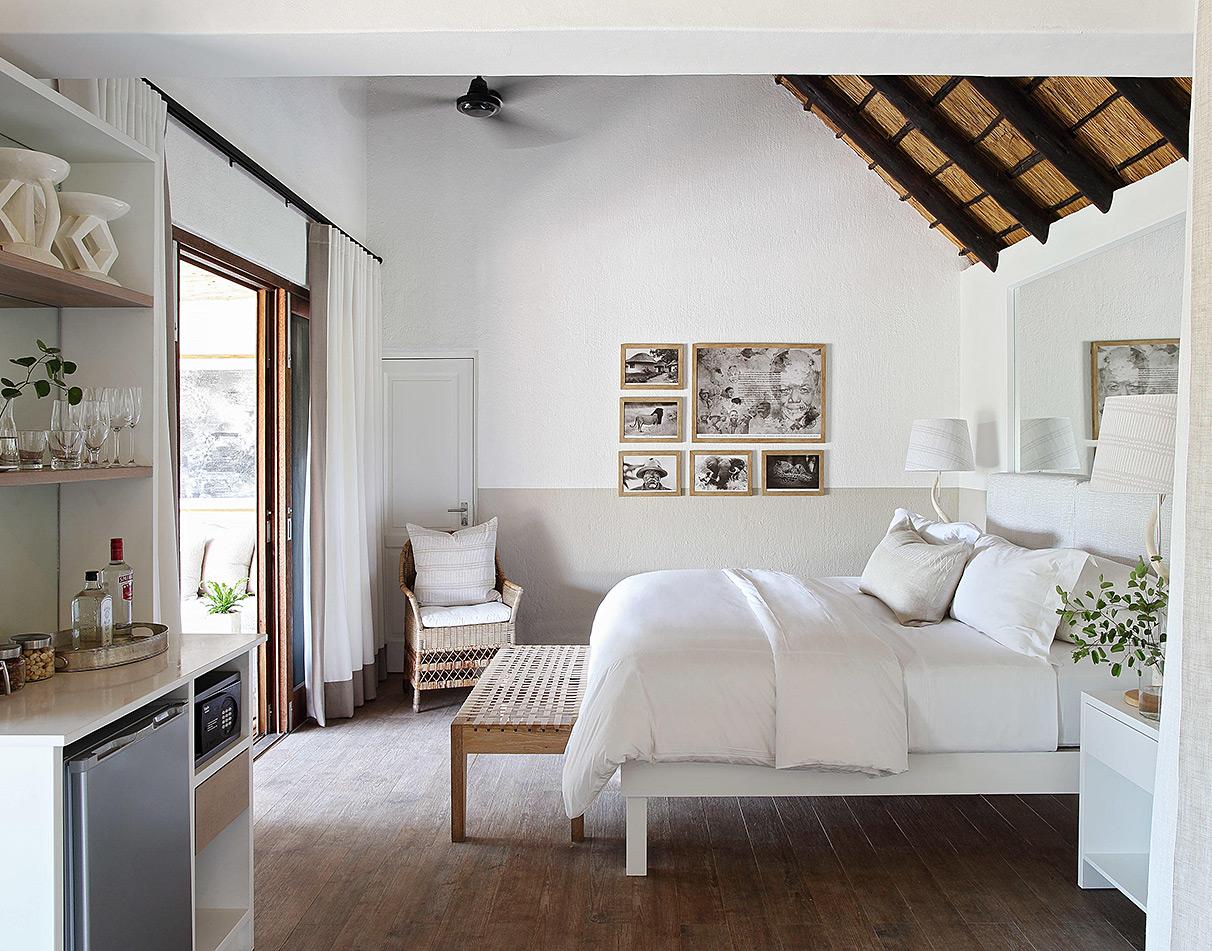
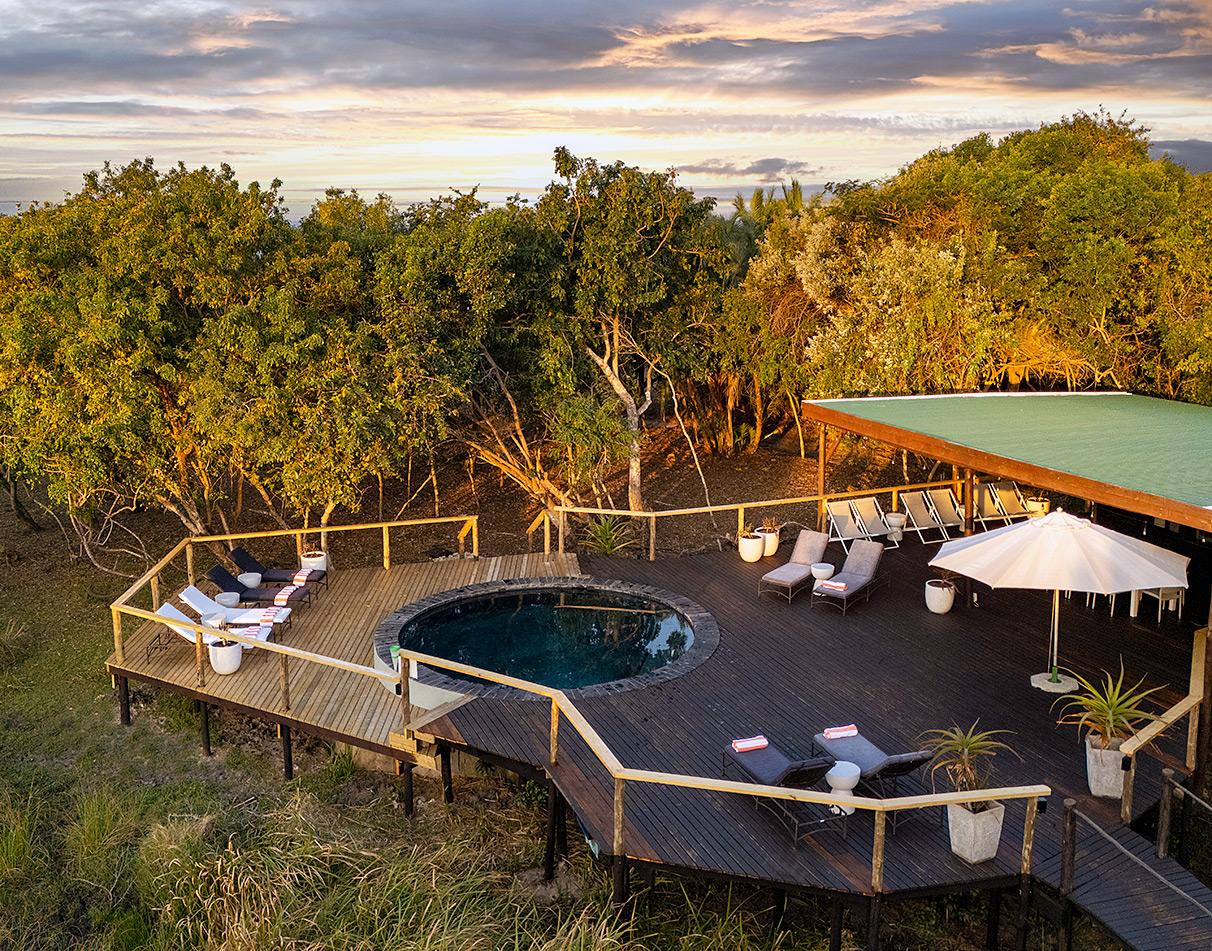
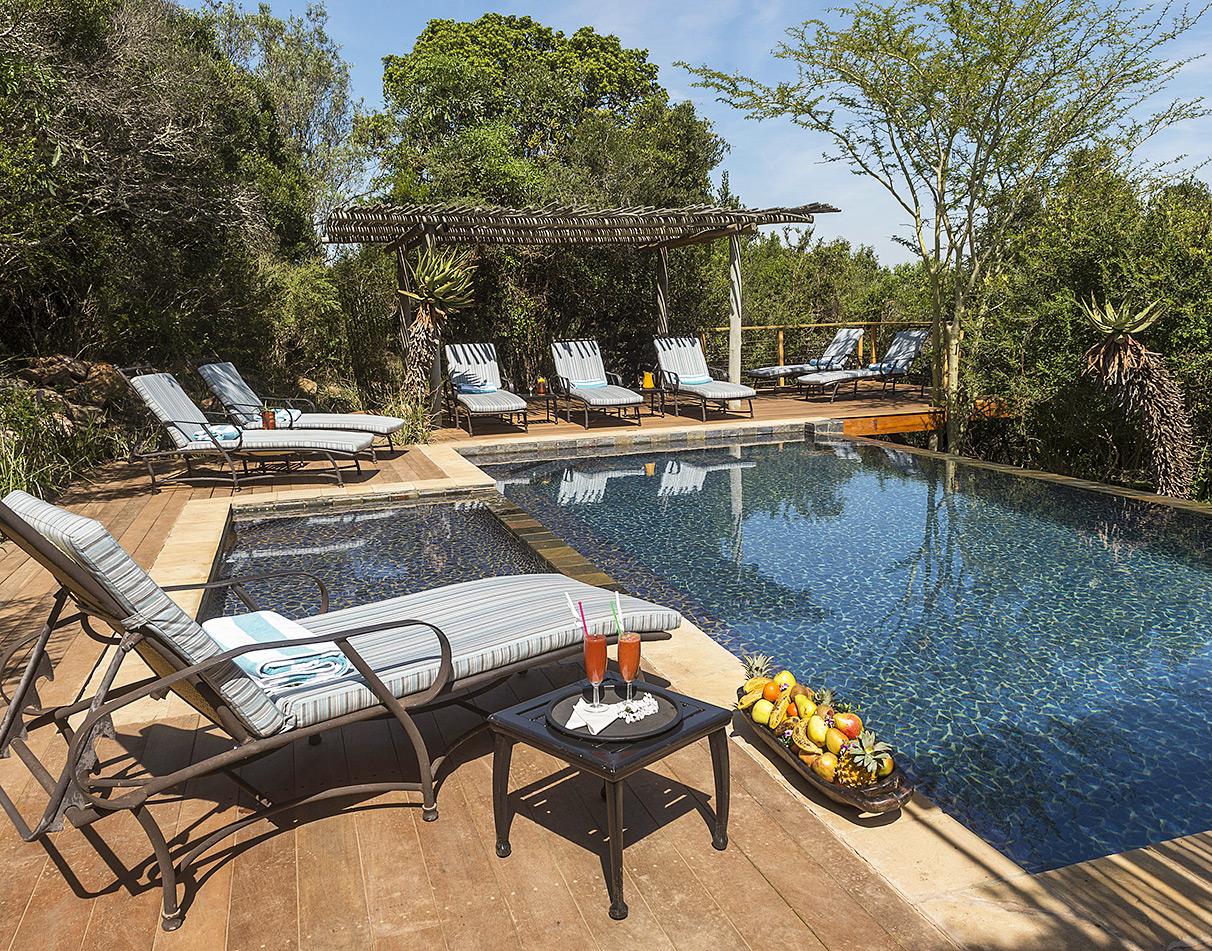
South Africa has a robust tourism industry, catering to a wide spectrum of visitors from across the world. You should have no problem pairing your photographic plans with accommodations that suit both your preferences and budget.
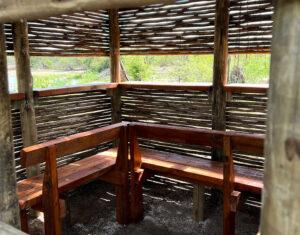
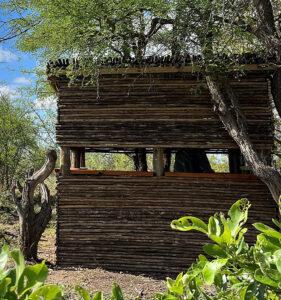
For wildlife photographers visiting private game reserves, choose those with dedicated photographic hides at waterholes.
If you’d prefer the flexibility of a self-drive national park safari, there’s a great selection of self-catered and catered accommodations at parks across the country.
Our travel experts will gladly assist you in putting together your photographic tour through South Africa that puts you close to your chosen subjects, be it the mountains of the Cape Winelands or the beaches of Northern KwaZulu-Natal.
Booking a photo safari tour in South Africa promises excitement and the prospect of returning with magical images.
At private reserves, the expert guides understand both animal behaviour and how to position for light, improving your chances of getting that once-in-a-lifetime shot.
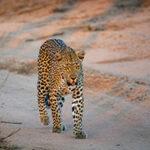
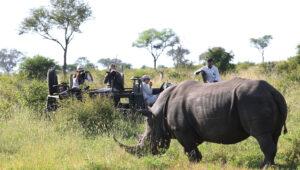
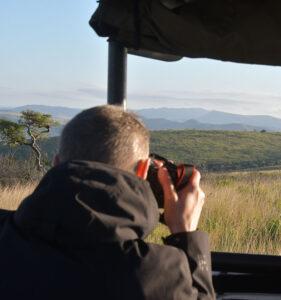
In the country’s national parks, photographers can position their vehicles or visit photographic hides to get that much closer to the big cats without creating a disturbance.
Game drives are best done in the early morning and late afternoon. Not only will you get the best light, but it is also the time when animals are most active. We recommend using a private guide to ensure absolute flexibility and expert advice.
A photo safari in South Africa promises an incredible mix of subjects for your lens. In the world-renowned Greater Kruger National Park, photographers will find opportunities to photograph the Big Five and abundant wildlife in a variety of settings.
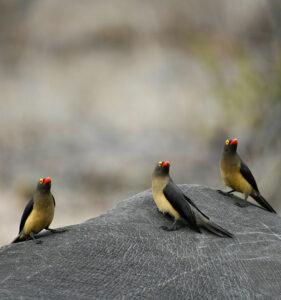
With over 850 bird species recorded nationwide, you’ll find an abundance of colourful subjects.
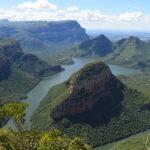
Countrywide, it seems each bend in the road presents a landscape more breathtaking than the last. Picture the sun setting behind the craggy peaks of the Drakensberg Mountains, cliffs plunging into the ocean along the Wild Coast and towering clouds sailing over vast arid plains of the Karoo.
On the urban front, Cape Town is one of the most photogenic cities in the world thanks to the iconic Table Mountain backdrop. The people of the Rainbow Nation are as diverse as the name suggests, always ready with a bright smile.
For something different, head into the dry interior to photograph desert landscapes. Each season brings a different tone, mood and texture. Lush greens in summer, dusty hues in winter – ensuring fresh opportunities abound throughout the year.
Whether you’re after cultural portraits, wide-angled panoramas or intimate studies, a photographic safari in South Africa is a chance to capture one of the world’s most visually rewarding destinations.
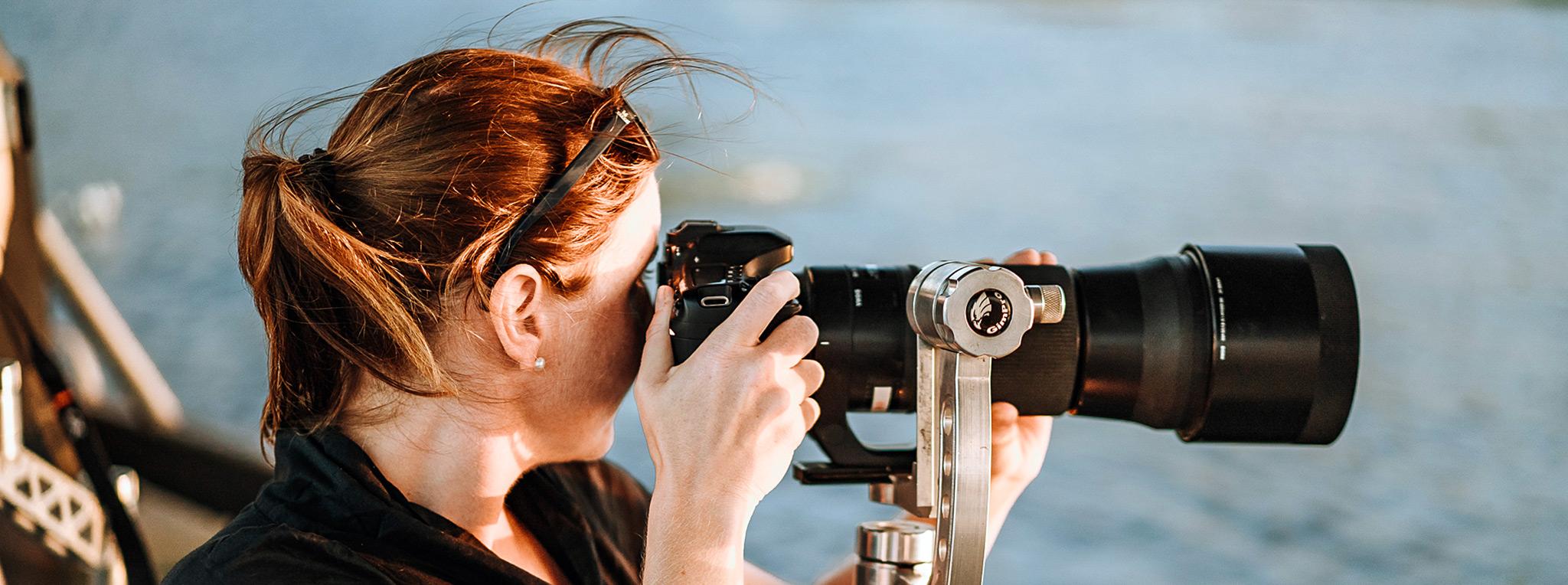
Among the many perks of joining photo safari tours in South Africa is the access to specialised equipment and facilities designed with photographers in mind.
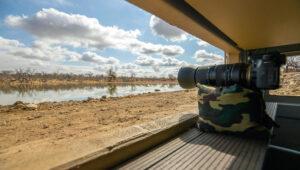
The private lodges within the Greater Kruger National Park and further afield may offer custom-built safari vehicles complete with swivel seats, charging points, padded rests for long lenses and unobstructed views.
These dramatically improve your chances of getting excellent perspectives of big cats and other wildlife.
Some lodges provide useful equipment such as beanbags, while you’ll find plug points in your accommodation and some vehicles for charging batteries.
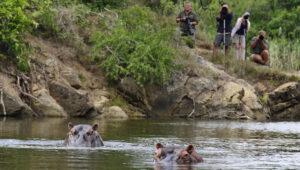
It has become popular for lodges to build dedicated photographic hides near waterholes. These allow you to photograph wildlife at eye-level while minimising any disturbance of their natural behaviour.
Connect with our experienced travel experts based in South Africa and start shaping your dream photo safari. We’ll discuss your specific needs and design an itinerary that ensures you capture extraordinary images while enjoying a seamless, unforgettable safari adventure.
Planning a photographic safari in South Africa begins with choosing the right destination.Â
For wildlife, head to the private reserves adjoining the Kruger National Park. Guided game drives are available in most national parks. For variety, consider the malaria-free reserves like Madikwe and Shamwari.
For landscape photography, mountain ranges like the Drakensberg and Cederberg boast magnificent vistas, while the Karoo interior and Wild Coast have much to offer the creative eye.
Our travel expert regularly assist visitors in tailoring their South African photo safari packages, whether the emphasis is on wildlife, landscapes or a mix of both.
Timing your trip well is another important consideration. As a rule of thumb, for wildlife, it is generally best to visit in the dry winter months from May to September. Summer (October to March) is often best for landscape and Bird photography.
Next, decide whether you’d like to retain the services of a professional guide or prefer the freedom of a self-drive photographic safari?
While it may be tempting to bring every lens in your arsenal, this is seldom necessary. A good-quality large zoom (e.g. 100-400 mm) and intermediate zoom (e.g. 24-105 mm) is often adequate. Don’t forget essential accessories, like chargers and SD cards.
Having a good plan often makes the difference between good and great photographic safaris.
We will get back to you within 2 working days.