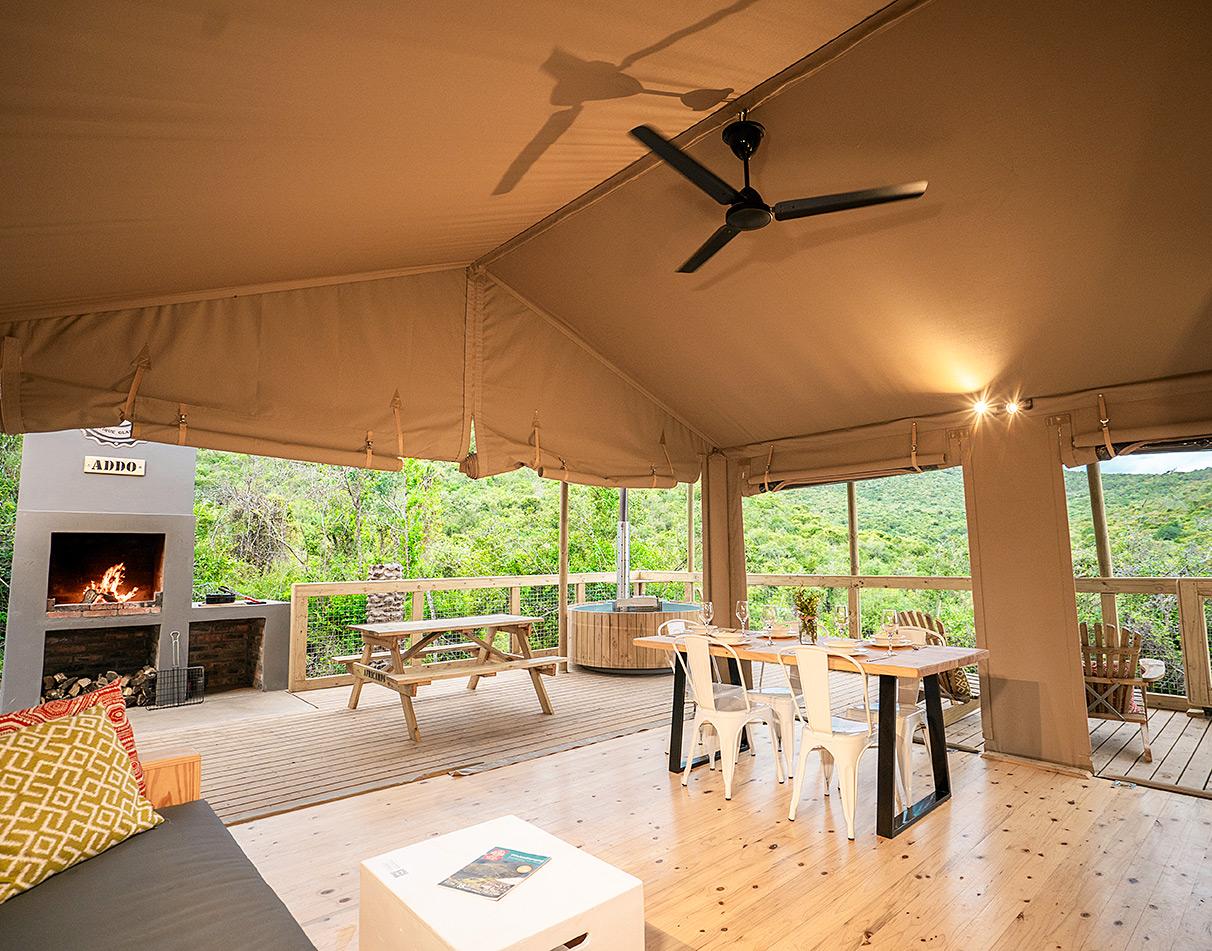
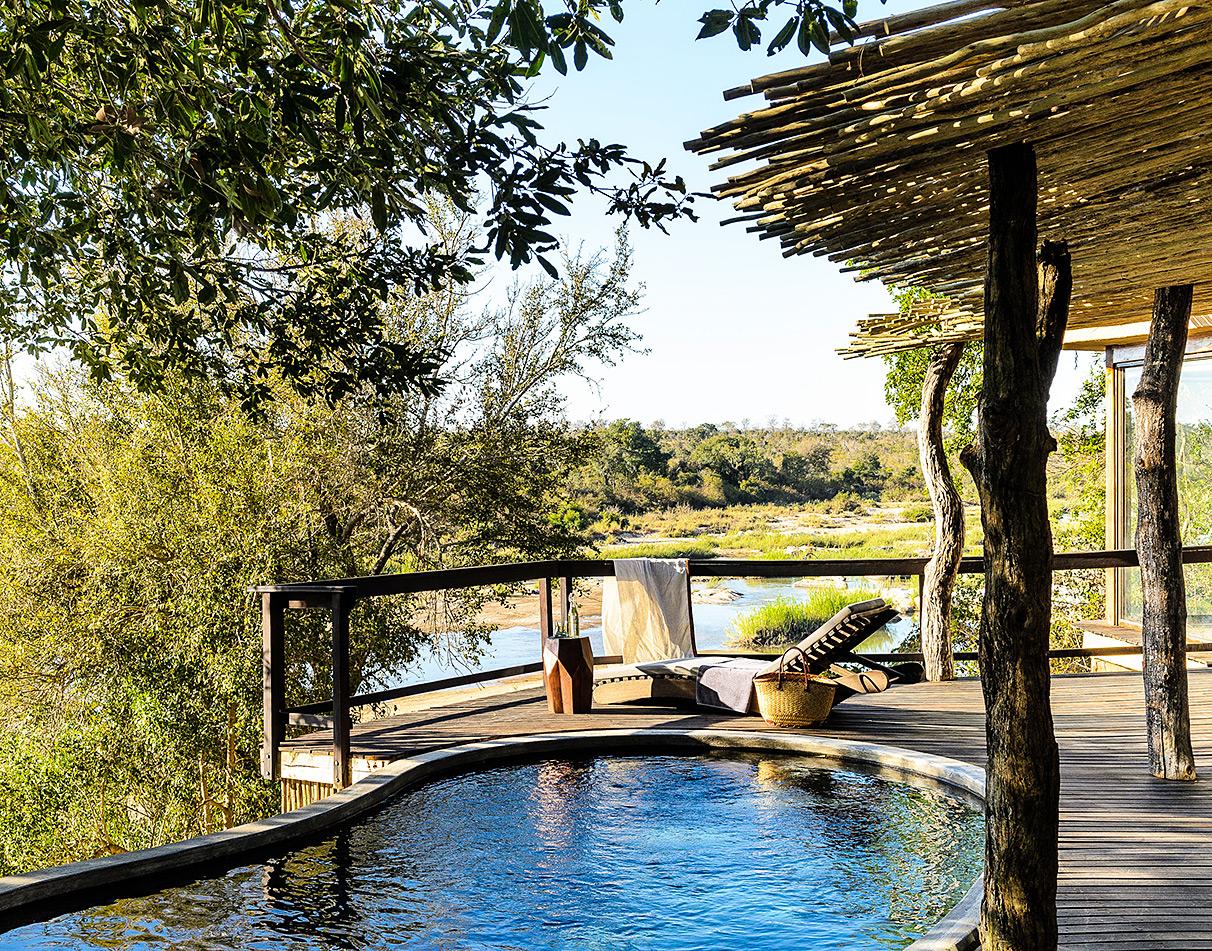
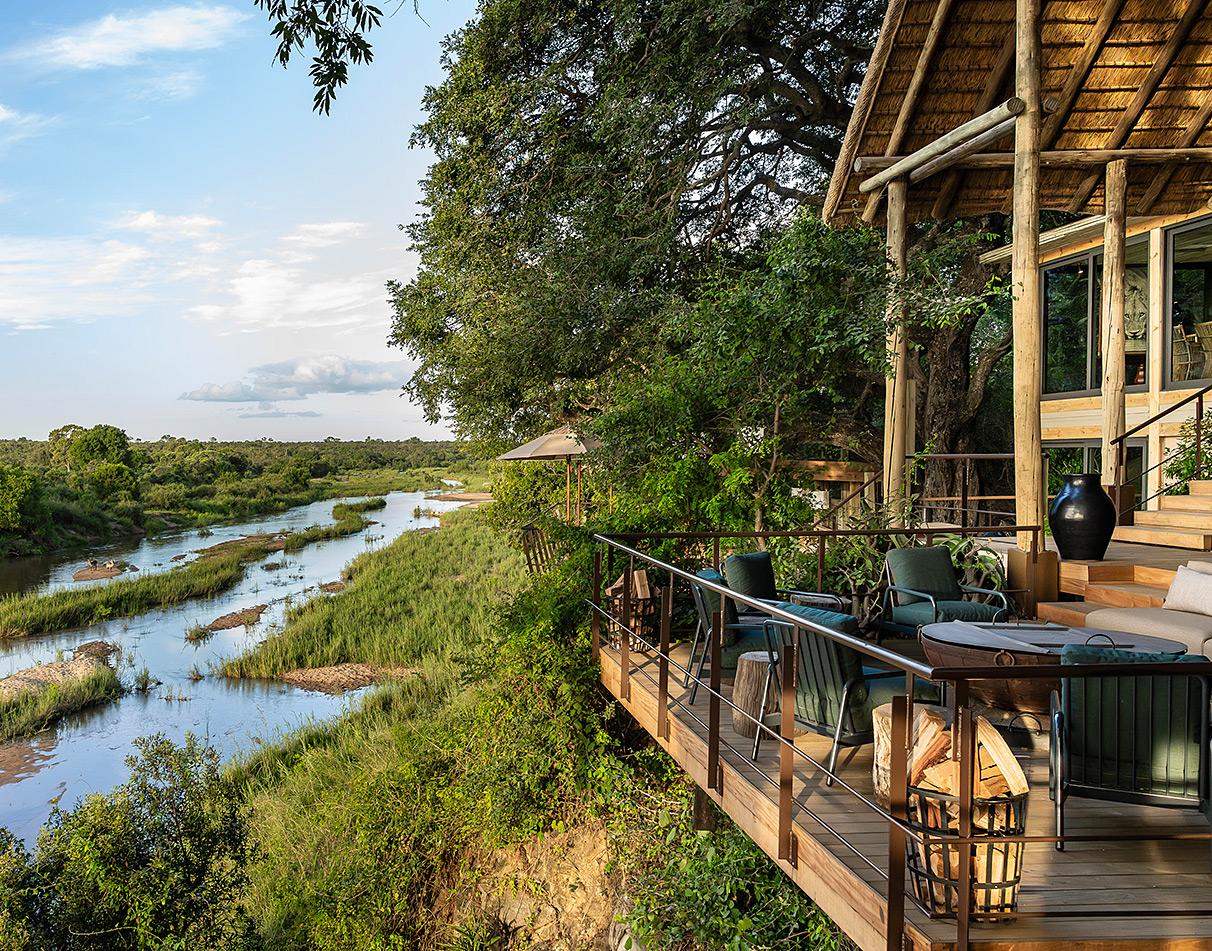
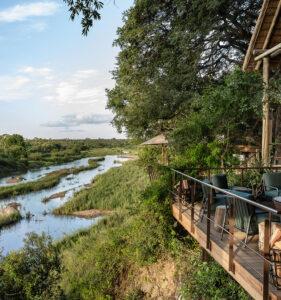
Sleep under canvas in the heart of the bush, surrounded by the sights and sounds of wild Africa.
Experience The Best Birding in South Africa
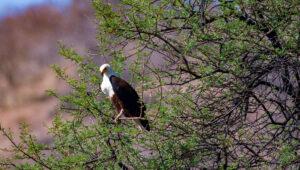
From the haunting call of the African Fish Eagle to the vibrant flash of a Malachite Kingfisher over still waters, South Africa is a bird-watcher’s paradise.
Home to nearly 900 species, from savannah giants to rare endemics, South Africa’s diverse habitats sing with avian life.
Wherever you are and wherever you look — wetlands, mountains, coastal cliffs – each birding outing promises something new. Pack your binoculars and your lucky hat; in South Africa, the skies and treetops are as exciting as the Big 5.
'I’ve guided many guests who arrived focused on the Big Five, only to leave talking about the incredible birdlife they discovered along the way.'Juan | South Africa Experience Guide
South Africa is a year-round bird watching destination. However, timing your trip well adds an extra layer of magic. Summer (October to March) sees visiting migrant species arrive from Europe and Asia, with breeding plumage on full display.
Winter (May to August) allows for easier spotting in sparse vegetation, and fewer insects to boot.
In Spring (September-November), the coastal regions shine, while the wetlands are best after the summer rains. No matter the season, you won’t have to wing it when birding in South Africa.
November until April Best for lush landscapes
Bird watching in the Greater Kruger National Park from November to April is especially rewarding, as the summer rains transform the landscape into a lush, vibrant habitat.
Migratory species arrive in abundance, joining resident birds in breeding plumage, making sightings more colorful and dynamic.
Wetlands and rivers attract diverse waterbirds, while dense vegetation provides shelter for many species, offering rich opportunities for both novice and experienced birders.
November until March Best for migratory birds
Bird watching in Cape Town and the wider Western Cape from November to March is ideal for spotting migratory birds. During these warmer months, numerous species arrive from Europe and other regions, adding diversity to already rich local birdlife.
Coastal wetlands, fynbos habitats, and estuaries teem with activity, giving birders excellent chances to observe both rare visitors and endemic species in dynamic, scenic surroundings.
September until November Best for coastal birds
Bird watching along the KwaZulu-Natal Coast from September to November is ideal for coastal birds. As spring unfolds, shorelines and estuaries come alive with activity, attracting waders, terns, and gulls in impressive numbers.
Migratory species begin to arrive, joining resident seabirds, while calmer weather and clear skies make conditions perfect for observing feeding, nesting, and early breeding behavior along this diverse and scenic coastline.
December to March Best for colorful breeding plumage
Bird watching in the Karoo and Northern Cape from December to March is especially striking, as many species display their most colorful breeding plumage. Summer rains bring bursts of life to the arid landscape, attracting birds to temporary water sources.
Larks, finches, and bustards become more active, offering birders vivid sightings and dynamic behavior in these stark yet beautiful environments.
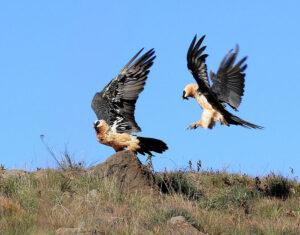
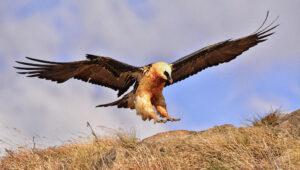
May to September Best for resident species and the endangered Bearded Vulture
Bird watching in the Drakensberg Mountains from May to September is ideal for observing resident species in crisp, clear winter conditions. The sparse vegetation and dry air improve visibility, making it easier to spot high-altitude specialists.
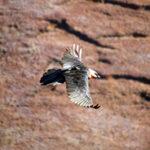
This period also offers a chance to see the endangered Bearded Vulture soaring along cliffs, alongside other raptors and mountain-adapted birds in dramatic scenery.
South Africa is a wildly popular destination for nature enthusiasts, with thousands of birders joining their ranks annually. For dedicated bird-watching holidays in South Africa, we suggest seeking accommodation in national parks and private game reserves.
These destinations offer a wide range of accommodation types from campsites to luxury lodges. Some even offer specialist bird guides to lead birding-focused activities.
Along South Africa’s coastline, there are numerous birding hotspots, each complemented by a range of establishments to match your requirements.
More broadly, South Africa’s accommodations cater to the entire spectrum of preferences and price points.
Bird-watching safaris in South Africa promise birders a magical experience, thanks to the huge variety of habitats and the various species they attract. Most birding safaris take place in the country’s national parks and privately-owned game reserves.
Here, knowledgeable guides are on hand, willingly sharing their in-depth knowledge of the local birdlife. The likelihood of seeing some amazing wildlife only adds to the experience.
Wherever you are, the best birding is usually in the early morning and late afternoons, coinciding with the birds’ peak activity and ideal light for photography and identification.
Get in Touch with us to plan your bird watching adventure in South Africa.
With nearly 900 species recorded in South Africa, the list is as long as it is varied. For raptors, such as the African Fish Eagle and Lappet-Faced Vulture, South Africa’s national parks and game reserves are your best bet. Additionally, the rivers are frequented by rare waterbirds such as the African Finfoot and Pel’s Fishing Owl. Night drives offer the chance to see nocturnal species, such as owls and nightjars.
The country boasts several RAMSAR wetlands, such as the St Lucia Lake System, home to huge flocks of Great White and Pink-backed Pelicans, not to mention hundreds of waders and flamingos.
South Africa’s indigenous forests ring with birdsong, but you’ll have to look carefully to see species like the Narina trogon. Pink-throated Twinspot, Neergaard’s Sunbird and African Broadbill.
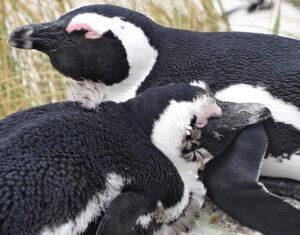
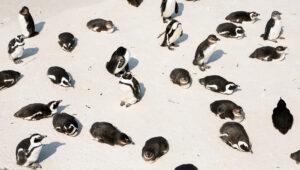
The coastline has more than its fair share of birds, from the ubiquitous Kelp Gull to endangered shorebirds like African Black Oystercatchers and African Penguins. If possible, jump on a pelagic bird tour in winter for sightings of albatross and other seldom-seen migrants from the Antarctic.
Moving inland, the mountains are home to the majestic Black Eagle, Cape Vulture, and Bearded Vulture, while the semi-arid Karoo hosts the Karoo Korhaan, Ludwig’s Bustard, and the Pale Chanting Goshawk, among many others
Pack light but smart. For birding, a good pair of binoculars is essential, preferably with a magnification of 8x or more. To record your sightings, bring a camera with a decent zoom. Serious photographers should consider booking private tours for flexibility, otherwise, only pack essential gear. Obtain a Southern African bird book, or download the appropriate app to log your sightings. Neutral-coloured clothing is recommended, especially if visiting national parks and reserves. Don’t forget a wide-brimmed hat and other sun protection. Your footwear should reflect the type of walking you will be doing. A water bottle and insect repellent are also recommended.
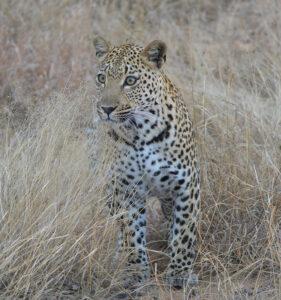
Yes! You can comfortably pair bird watching with a variety of other activities. In the national parks such as Kruger or Addo, you can spend the morning looking for raptors, then focus on the Big Five in the afternoon. Private reserves offer added flexibility; for instance, you could do a nature walk in a specific bird habitat in the morning and join a game drive in the evening, searching for nocturnal predators like leopards.
If you’re visiting the iSimangaliso Wetland Park in northern KwaZulu-Natal, you could spend the morning identifying waders in Lake St Lucia, and then cool off by going whale watching, snorkelling or scuba diving in Sodwana Bay.
Hiking in the Drakensberg lends itself to identifying alpine species while enjoying the camaraderie of the trail. South Africa has numerous world-class hiking trails on which birders can spot some really unusual species.
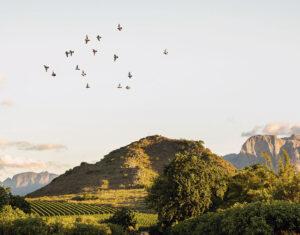
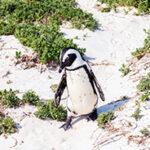
Even wine tasting in the Cape Winelands invites the opportunity to spot sugarbirds among the proteas. Urban escapes in South Africa offer surprisingly good birding in the local parks and green-belts, while beach walks are bound to yield various seabirds. For the ultimate beach & bird experience, head to Boulders Beach for a swim with rare African Penguins.
In short, the only limiting factor is the imagination.
Firstly, decide what kind of birding experience you want. Would you like a dedicated birding holiday with a specialist guide, or a wildlife holiday with some bird-watching on the side? This will shape your route and timing.
Summer (October to March) is best for migratory species and vibrant breeding plumage, while in winter (May to August), the sparse vegetation makes birds easier to spot. There are also slight seasonal variations by region (see ‘WHEN TO GO’ above).
Next, choose the regions you’d like to visit. The Kruger Park in the northeast is fantastic for raptors and bushveld species, while KwaZulu-Natal is great for waterbirds and rarely seen sandforest ‘specials’.
Further inland, the Drakensberg Mountains are home to alpine species and impressive raptors, while the semi-arid interior’s LBJs test the most ardent twitcher.
In the Western Cape, the fynbos is home to several endemics, while the shoreline and coastal waters reveal a host of resident and migratory seabirds. We suggest combining two or three distinct habitats to maximise your sightings.
You’ll have a wide variety of accommodations to choose from, from campsites to luxury lodges and rural guesthouses to city hotels. With a little planning, you’ll be rewarded with a birding trip as diverse and colourful as the country itself.
We will get back to you within 2 working days.