 on Google


South Africa Packing List – things to pack for South Africa
With few exceptions, the best advice we have for those planning a visit to South Africa is to keep it simple. All too often, visitors bring far too much ‘just in case’.
What to pack depends on several factors, including what you will be doing and when you will be doing it. After all, there’s no point in bringing heavy hiking boots if you’re not going hiking. Also, who wants to spend their holiday keeping track of luggage when there’s so much else to see and do?
To assist you in deciding what to bring, we’ve put together some useful packing tips and information.
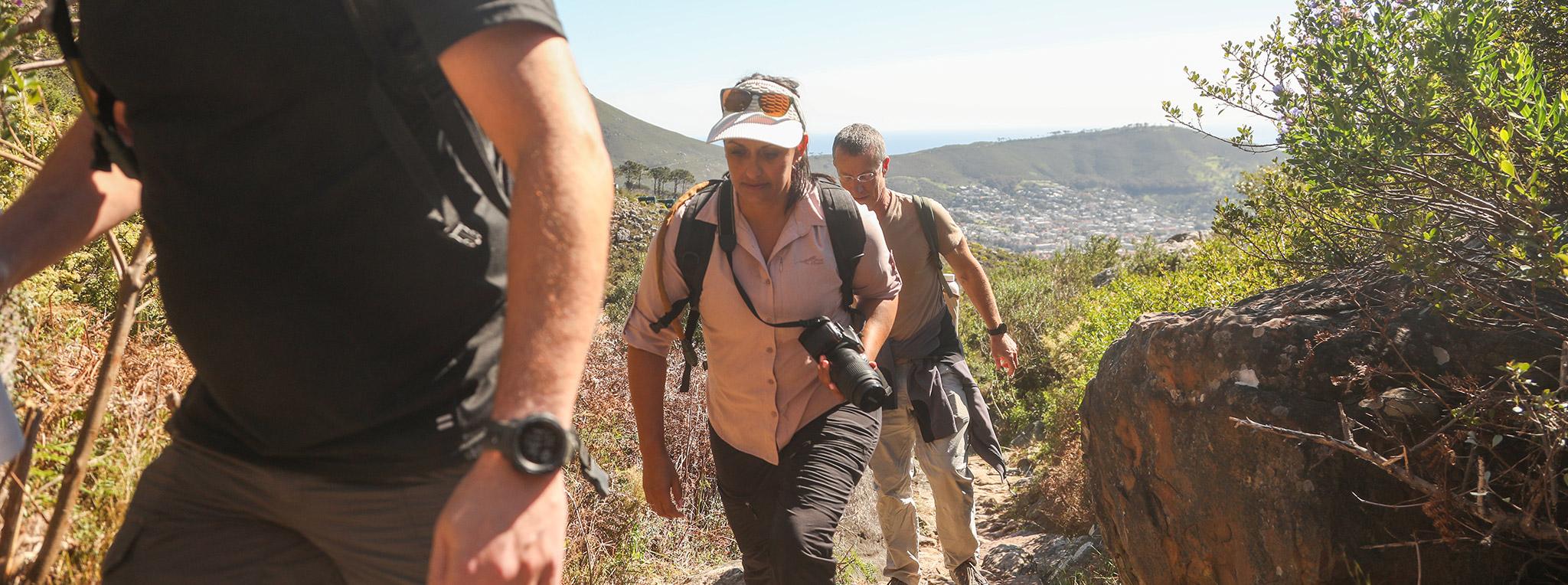
SOUTH AFRICA PACKING LIST – WHAT TO PACK FOR A SAFARI IN SOUTH AFRICA
Safari clothes & accessories
Firstly, there is no need to buy a new ‘safari’ wardrobe. We suggest that you pack neutral-coloured (beige, khaki, olive, and light brown) clothing. These help you stay cool while avoiding drawing the attention of wildlife. Avoid dark colours, which can attract insects.
Choose lightweight, breathable fabrics that can be layered for warmth. You’ll be surprised how chilly it can get on early morning and evening game drives, so pack some warm clothing, like a fleece, jacket, beanie and gloves, especially if you’re visiting in winter (May to September).
Also, pack long-sleeved shirts and trousers to wear after dark, particularly if visiting areas where malaria is present. Most lodges have swimming pools, so bring along swimwear.
For footwear, you’ll want a pair of sturdy, closed shoes to wear on bush walks. It’s also a good idea to bring a pair of sandals or other lightweight, comfortable shoes to wear around your camp.
Another consideration is sun protection. For this, we suggest a wide-brimmed hat, high SPF sunscreen and sunglasses.
Additional gear that we recommend includes a good pair of binoculars (per person), a camera with a decent zoom lens and its accessories, a reusable water bottle and a small daypack to carry your essentials.
WHAT TO PACK FOR YOUR HIKING TRIP - OUR PACKING TIPS
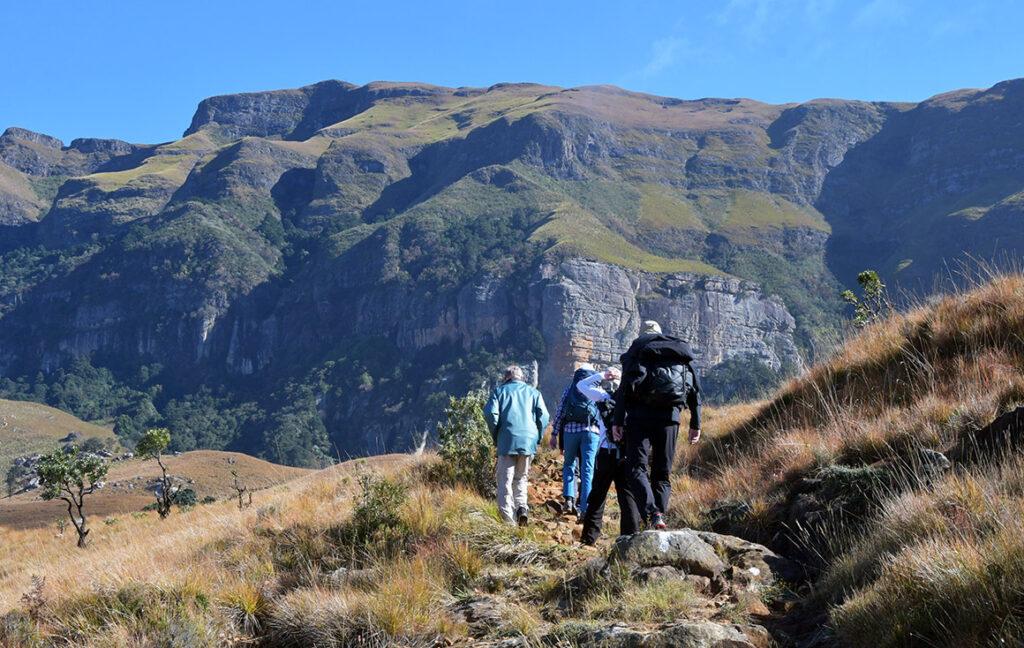
South Africa boasts some of the world’s most rewarding trails. To make the most of your adventure, your backpack’s contents should balance comfort, safety and practicality.
Footwear is one of the most important considerations. A pair of well-worn, sturdy hiking boots is essential. Pair them with moisture-wicking socks to prevent blisters. Bring sandals to wear in camp.
For clothing, layering is key. Pack breathable base layers, a lightweight fleece, and a waterproof jacket in case the weather changes suddenly. For sun protection, bring a wide-brimmed hat, sunglasses and high SPF sunscreen.
Your choice of backpack will depend on the duration of your hike. Regardless of whether you’re doing a day hike or multi-day trail, you’ll want a pack with padded straps, waist support and sufficient capacity for all your belongings.
Don’t forget a reusable water bottle or bladder. Trekking poles are useful in a variety of terrain types. Bring navigation tools, ranging from a trail map and compass to modern technologies, like a GPS, if hiking in remote areas.
For unforeseen incidents, pack a first-aid kit, insect repellent and a headlamp. If you’re doing a multi-day wilderness trail, you’ll want to bring a compact sleeping bag, a lightweight tent and cooking gear.
Pack lightweight, neutral-coloured clothing and sturdy shoes for walking activities.
WHAT TO PACK IF YOU ARE DOING A SOUTH AFRICA ROAD TRIP – CITY, BEACH & SAFARI
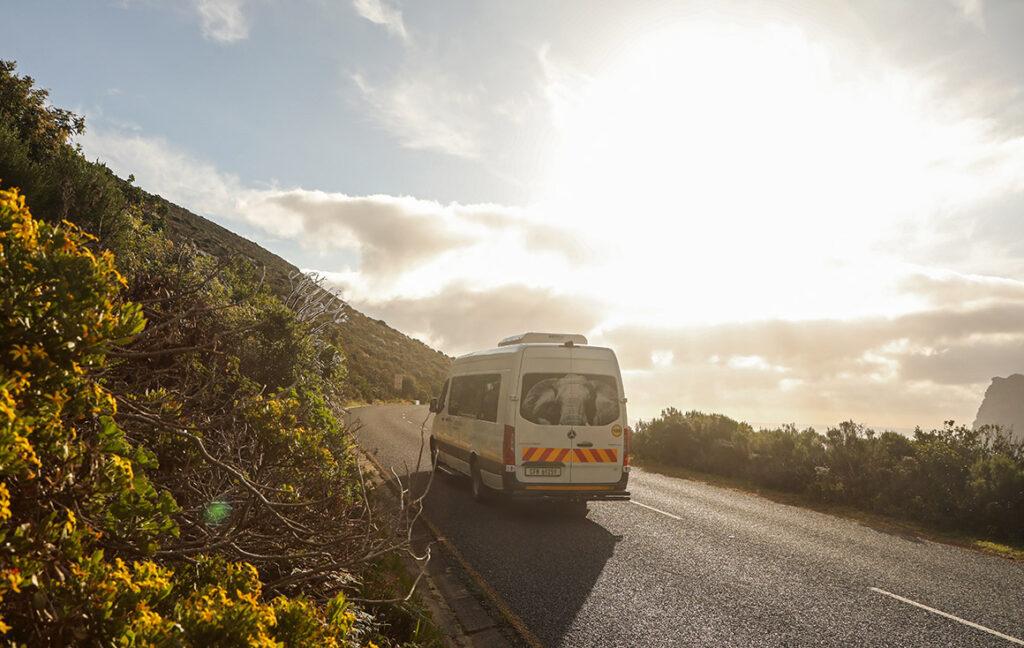
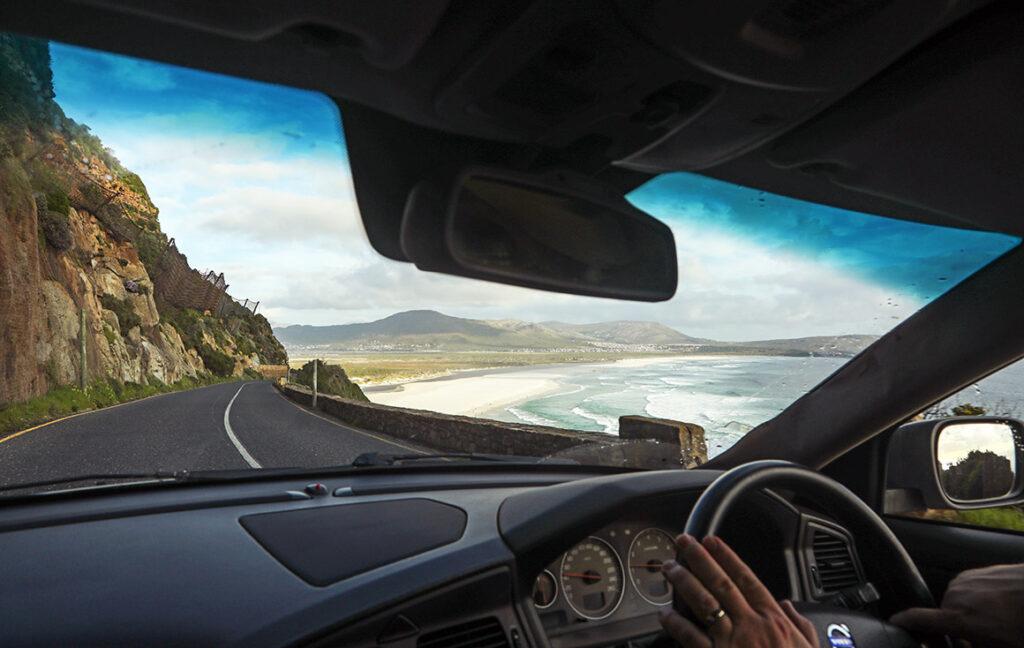
A road trip is the ultimate way to explore South Africa. One day you’re off wine-tasting in the Cape Winelands, the next might see you catching rays on a Wild Coast beach, and shortly thereafter you’re viewing rhinos on safari.
Since you’ll cover multiple climates and experiences, your packing list needs to be versatile.
Clothing:
- City: Smart casual outfits for dining out, comfortable shoes for exploring and a jacket in case the weather turns.
- Beach: Swimsuit and towel, flip-flops, beachwear, and breathable summer clothing.
- Safari: Neutral-coloured clothing, comfortable closed shoes and sandals, and warm, layered clothing for game drives.
Remember to pack smart – safari clothes can be the same as city clothes if you ensure breathable fabrics. Long sleeved linen shirts, shorts or dresses can be worn on safari as well as to a trendy restaurant in Cape Town.
Accessories:
- A wide-brimmed hat, sunglasses and high SPF sunscreen for all destinations
- A reusable water bottle and daypack
- Binoculars for safari and coastal birdwatching
- A compact umbrella or rain jacket, in case of sudden summer showers
Electronic and Documents
- Universal travel adapter (South Africa uses Type M plugs)
- Camera with a zoom lens for wildlife photography, extra memory cards and charging cables.
- Mobile phone with international SIM or local prepaid card for navigation and communication. Phone charger
- Driver’s license and an International Driving Permit in English, for car rental if you are on a self-drive adventure.
Health and safety
- Basic first-aid kit, insect repellent, and motion sickness tablet
- Sufficient prescription medication for the duration of your trip.
Beach and leisure gear
- A snorkel set if you plan to explore underwater
- Beach towel and waterproof bag for wet gear
Naturally, you’ll want to pack clothing according to the season when you will be visiting. Winter in the Western Cape (Cape Town) is often wet and cold. Also, do not underestimate how chilly it gets on winter game drives in the Krugr National Park.
While some are happy to snap away on their mobile phones, if you’d like to get great images, we suggest investing in a quality bridge camera. These compact cameras will elevate your images, without the inconvenience of a bulky camera bag.
By packing smart, you’ll stay organised and flexible, ensuring you’re comfortable throughout your mixed South African adventure.
IMPORTANT TRAVEL DOCUMENTS TO PACK FOR SOUTH AFRICA
Ensure that your passport is valid for at least 30 days beyond your travel dates, with a minimum of two blank pages for entry stamps. Most European visitors do not need a visa for short holidays (up to 90 days).
South Africa previously required an Unabridged Birth Certificate for minors traveling, but this requirement has been officially scrapped since 2019. Today, children only need their own valid passport.
If a child is traveling without both parents (e.g., with one parent, grandparents, or friends), it is strongly recommended to carry a consent letter from the absent parent(s) to avoid any issues at immigration.
To be sure, double-check the latest requirements at the nearest South African embassy or consulate before travelling.
Carry printed AND digital copies of all travel arrangements.
If you are planning on driving in South Africa, you will need an International Driving Permit (in English), along with your national license. Travel insurance documents are also essential, covering health, theft and cancellations.
For additional peace of mind, store copies of all important documents on the cloud. With these in place, your journey will be smooth and stress-free.
DISCOVER EXCLUSIVE SOUTH AFRICA TOURS



OUR EXPERT ADVICE
PRACTICAL LUGGAGE CONSIDERATIONS
For South Africa, a practical choice of luggage depends on your activities, but generally, a hard or soft suitcase with wheels is suitable for general travel. Your luggage should be lockable to reduce the risk of theft. Mark your luggage for ease of identification at airport carousels or when on group tours.
For safaris, particularly if flying to your destination in a light aircraft, a soft, frameless duffel bag is important. These are more easily stored in aircraft with limited storage capacity. If you have bulky camera gear, seek guidance on any limitations before travel.
Be aware of all weight and size restrictions for all luggage to avoid extra fees.


Experience South Africa with us
Speak to one of our local advisors
x
Let's start planning your trip!
We will get back to you within 2 working days.