 on Google


Drakensberg Mountains
Size
1,000 km (620 mi)
Founded
Not Applicable
Best time to visit
Autumn (April-May) and Spring (September-October)
Explore the Dragon Mountains
Rising precipitously from the plains of eastern South Africa, the Drakensberg Mountains are a wonderland of craggy peaks and lush valleys. From epic hikes like Cathedral Peak to ancient San cave paintings, these mountains are rich in adventure, culture and beauty. Whether chasing waterfalls, exploring Giant’s Castle, or climbing Sani Pass, visiting the Drakensberg will elevate any South African itinerary.
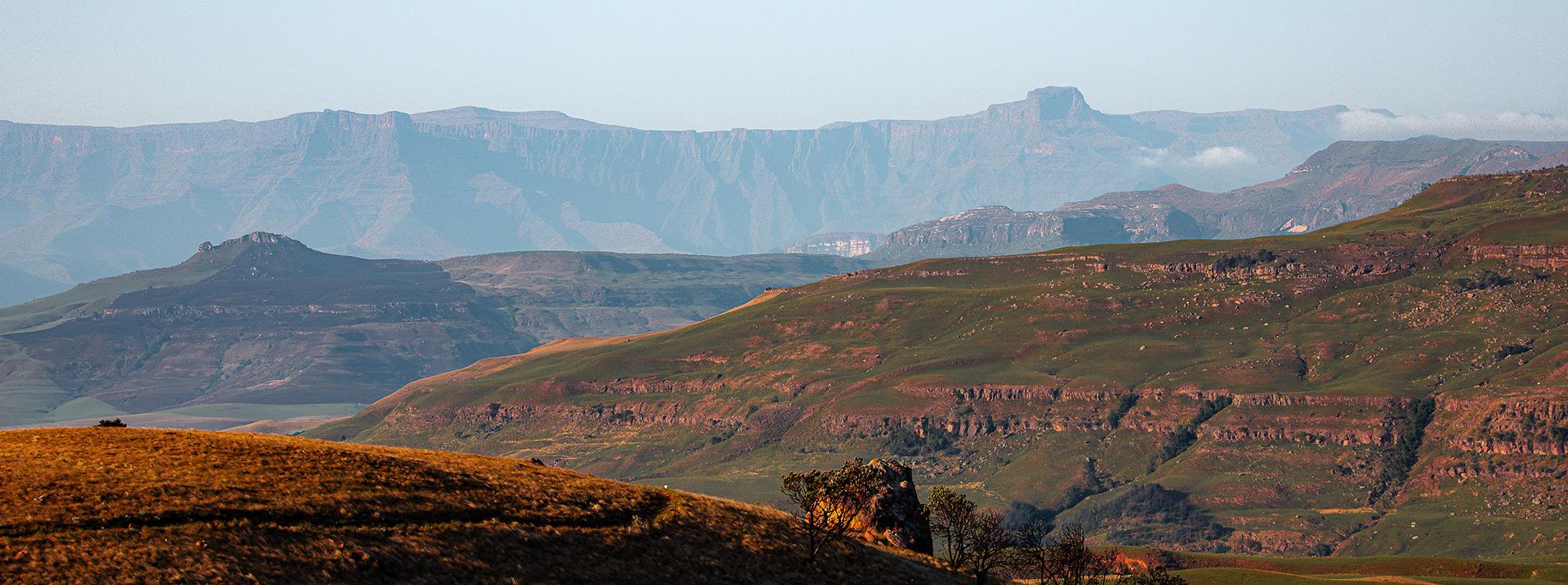
The Drakensberg Mountains in South Africa: Travel Guide & Tours
The name ‘Drakensberg’ means Dragon Mountains, in reference to this stunning range’s ragged peaks, which run, like a dragon’s back, for a thousand kilometres down eastern South Africa.
Also known locally as uKhalamba, “the Barrier of Spears”, the country’s tallest mountains are one of its most breathtaking destinations.
Here, rugged cliffs tower over rolling valleys, rivers slice through deep gorges, and waterfalls cascade into plumes of mist. But these mountains are more than just scenery; they’re a hub for adventure, a cultural treasure, and a spiritual retreat all in one.
Who Should Go
The Drakensberg Mountains are broadly appealing. Adventure seekers can explore endless trails, from leisurely strolls to the challenging ascent to Cathedral Peak.
Families can enjoy horse riding, birdwatching and scenic road trips. History buffs will be enraptured by the ancient Drakensberg cave paintings and relics of historic battles.
For couples, the mountains offer romantic secluded lodges, while artists, photographers and nature lovers will find endless inspiration in the spectacular landscapes.
You can explore the are on a guided tour or on a self-drive trip.
Natural Highlights
For sheer beauty, few South African landscapes can compare. The Drakensberg peaks of Champagne Castle, Giant’s Castle and Mont-aux-Sources rises majestically above the plains, offering hikes and climbs for every level of proficiency.
The mountains are home to a rich variety of wildlife, including eland, baboons, and rare birds, like the bearded vulture.
Protected within the uKhalamba-Drakensberg Park, the Maloti-Drakensberg Park World Heritage Site, safeguards the biodiversity and ancient heritage for future generations.
Adventure and Exploration
Outdoor enthusiasts will find no shortage of opportunities for adventure. Beyond legendary trails like those in The Amphitheatre, others lead to hidden waterfalls, basalt cliffs and jaw-dropping viewpoints.
The adventurous can ascend the Drakensberg’s Sani Pass, a thrilling 4×4 route that snakes into neighbouring Lesotho. En route, you’ll be rewarded with panoramic views that make every hairpin bend a scenic surprise for the senses.
Rock climbing, mountain biking, horseback trails and trout fishing add to the thrill, ensuring you’ll never have a dull moment in these magical mountains.
Culture and History
There’s a lot more to the Drakensberg than natural beauty. It is also one of the richest cultural landscapes in South Africa. Across the range, over 35,000 Drakensberg cave paintings created by the indigenous San people find shelter.
These ancient artworks depict hunting scenes, spiritual rituals and dances, a key reason for the UNESCO World Heritage Site designation given to the Maloti-Drakensberg Transfrontier Park. They offer an extraordinary window into the lives of southern Africa’s earliest inhabitants.
Where to Stay
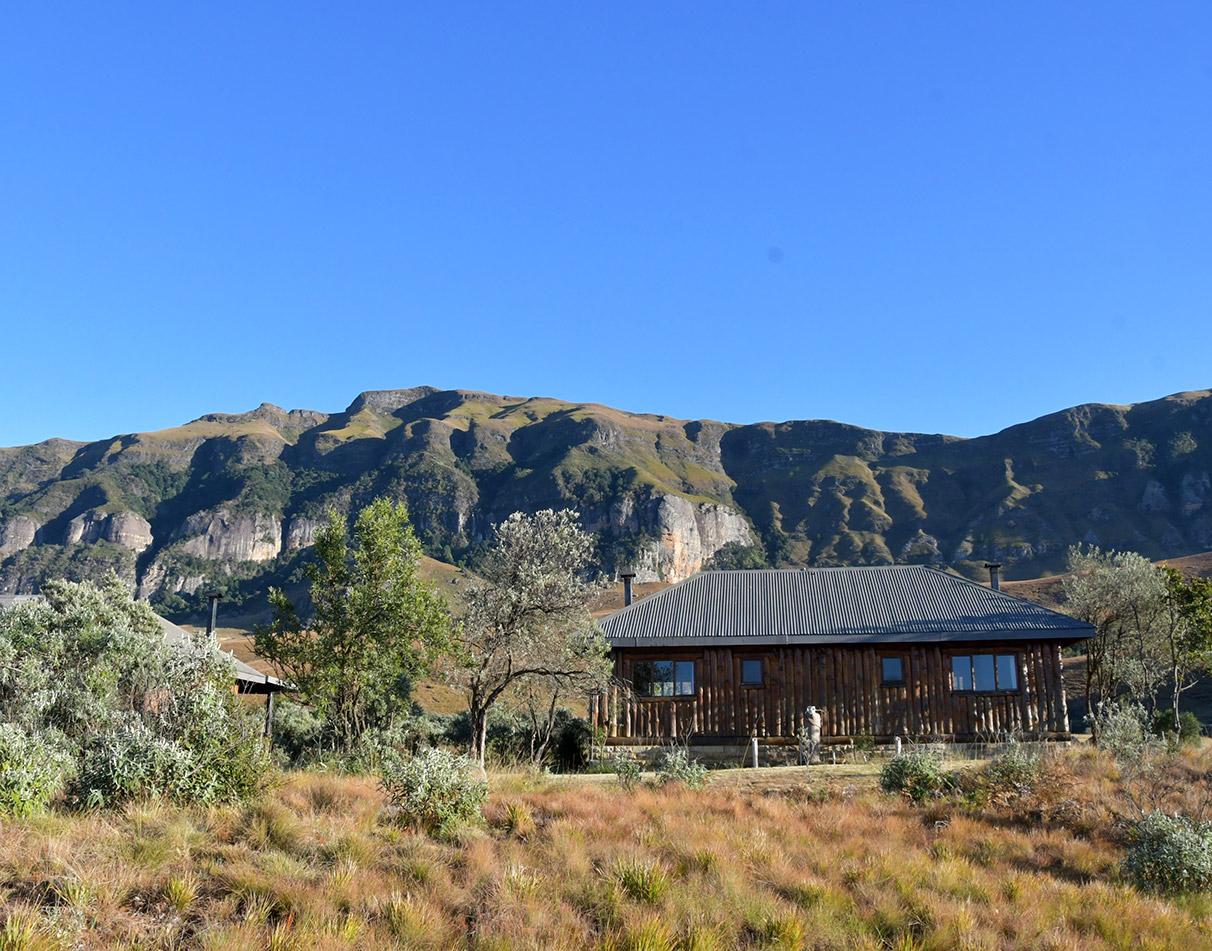
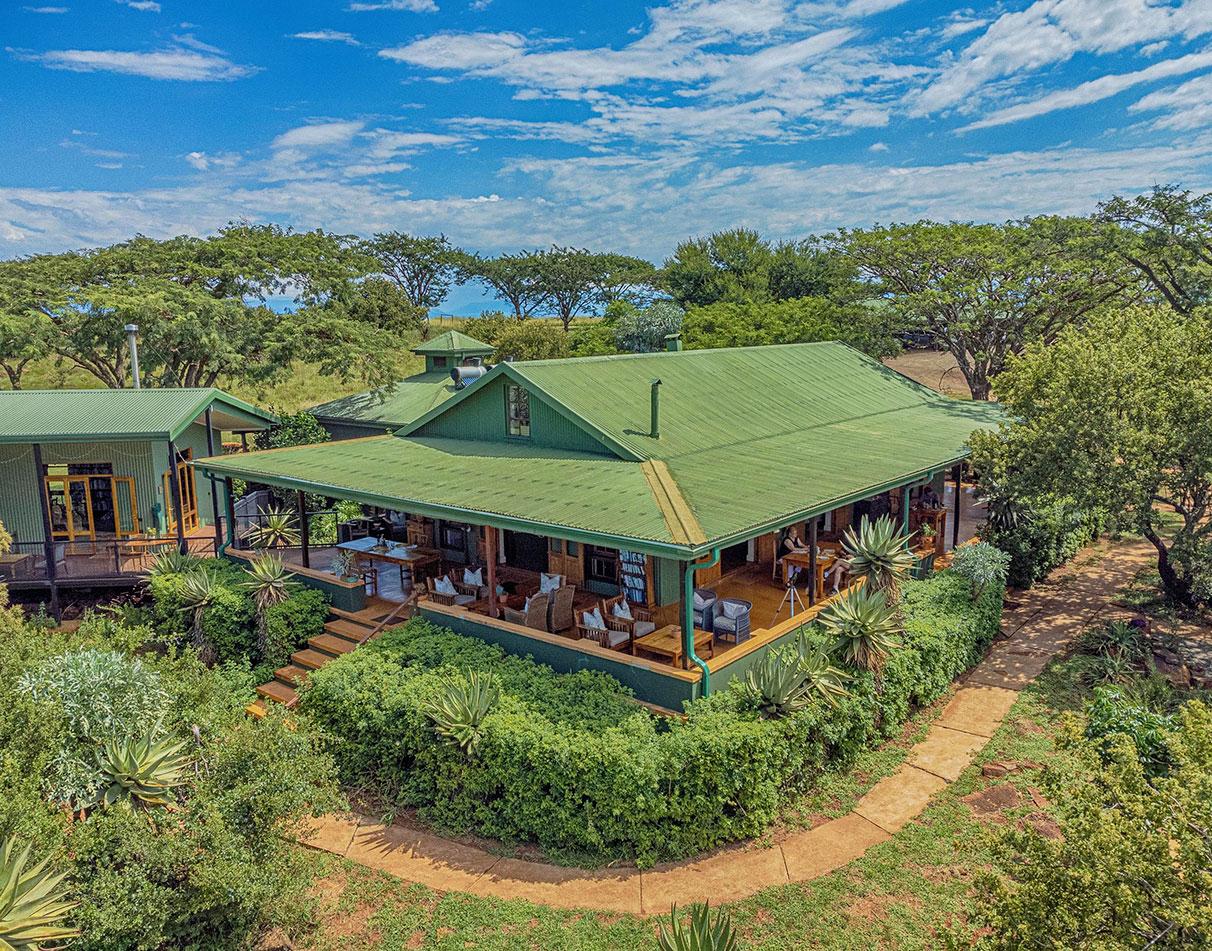
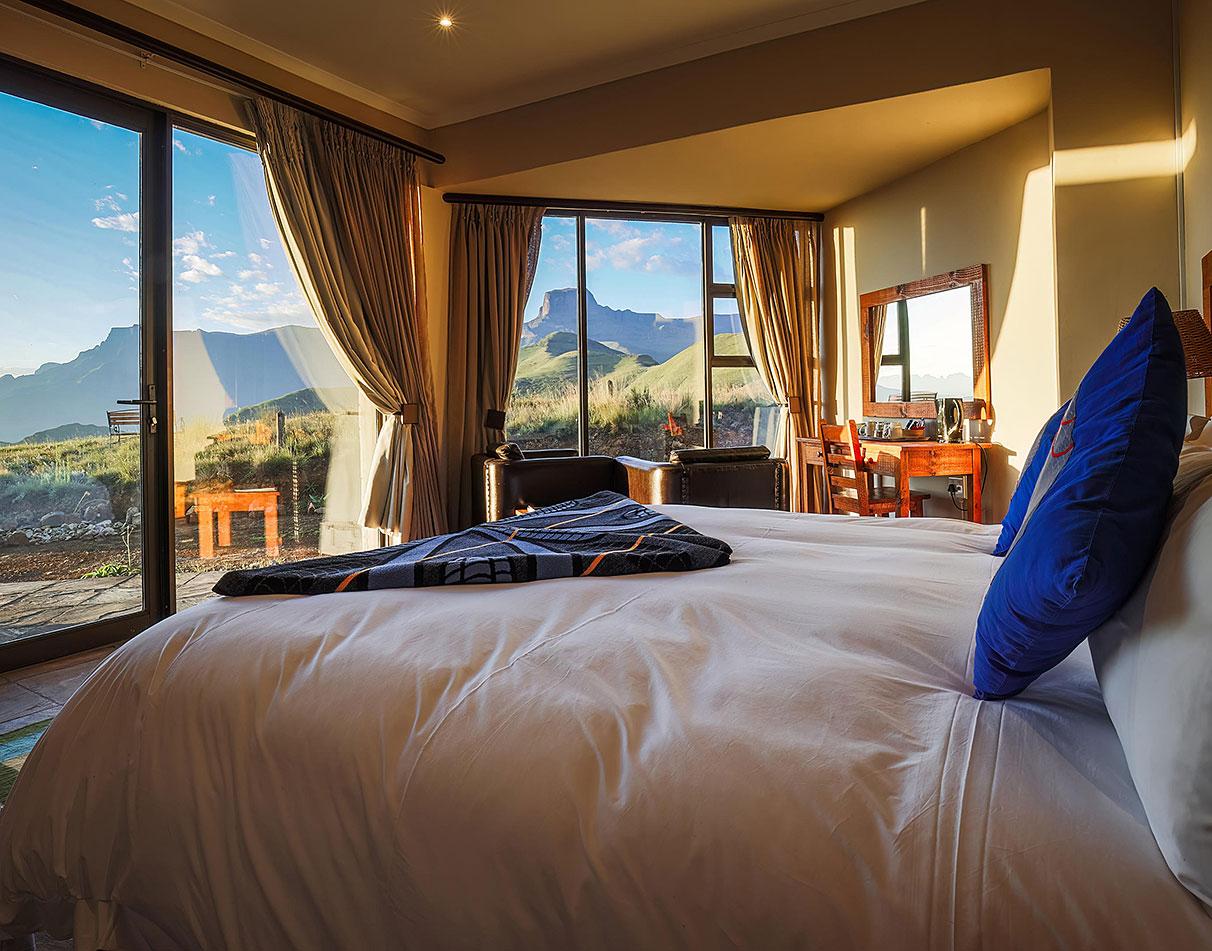
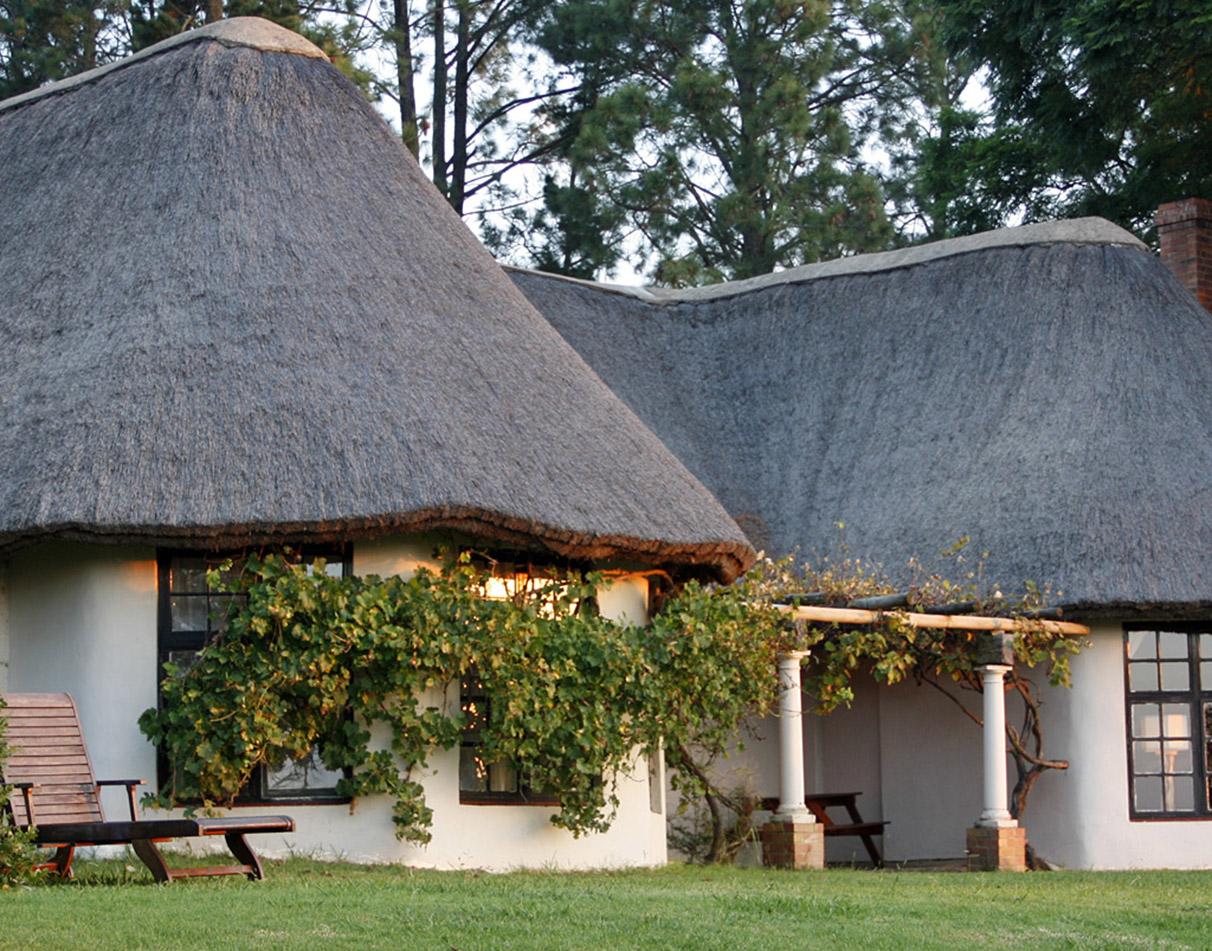
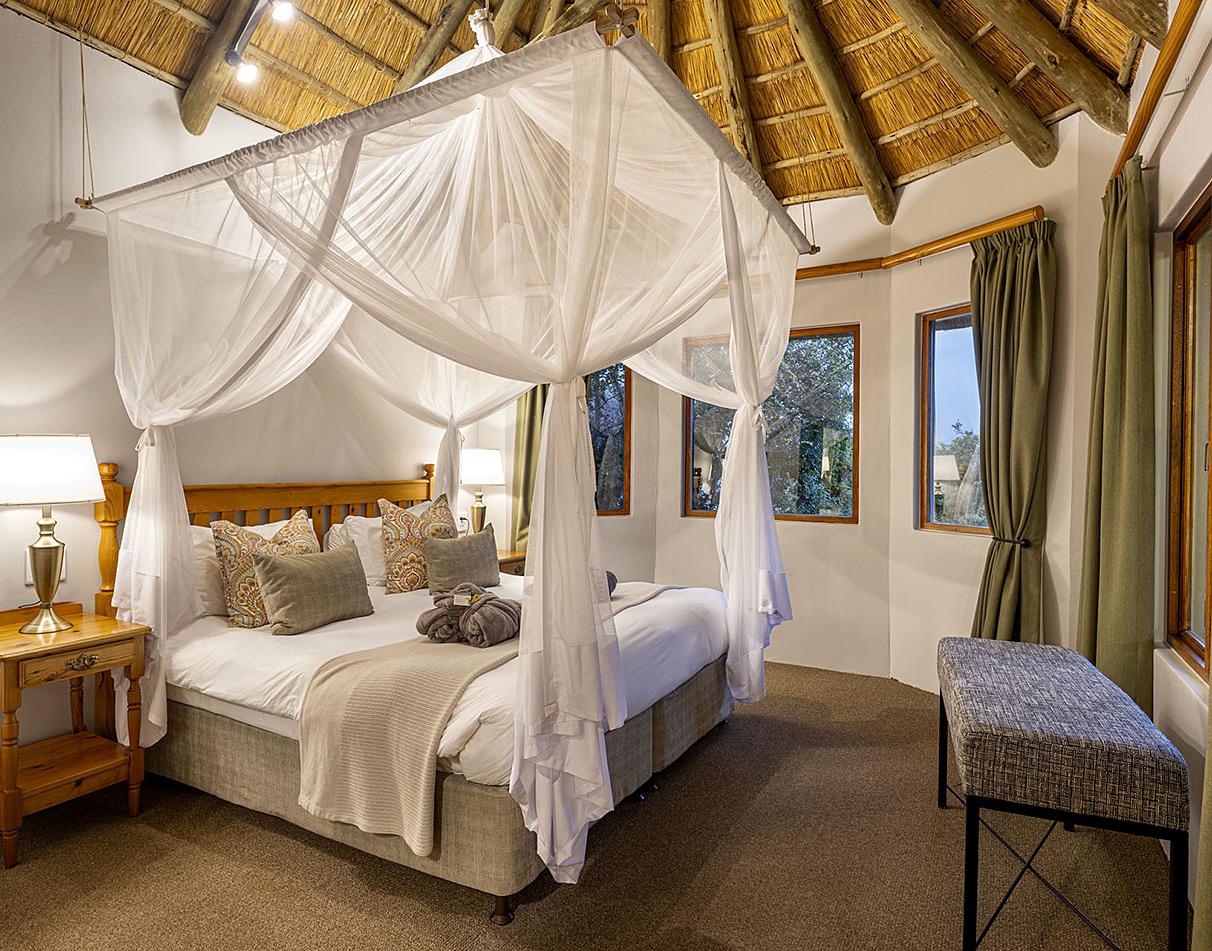
Accommodation options across the Drakensberg range from rustic campsites to luxurious mountain lodges. Couples might prefer a cosy stone-clad retreat complete with log fires, while families are catered to at resorts with child-friendly activities.
Many options can be found in or near the uKhalamba-Drakensberg Park, which gives visitors access to the area’s trails and cultural sites.
Whether waking to birdsong in a chalet or toasting the day’s climb from a remote ledge, staying in the Drakensberg is a true escape into nature.

Highest Point
Thabana Ntlenyana, at 3,482 metres (11,424 ft), is the highest peak in the Drakensberg Range.

UNESCO World Heritage Site
Recognised for both its natural beauty and the wealth of San rock art, the uKhalamba-Drakensberg Park is a global treasure.

Abundant birdlife
Thanks to its diverse habitats, the Drakensberg is home to 350 bird species, including the Drakensberg siskin, rockjumper and bearded vulture.
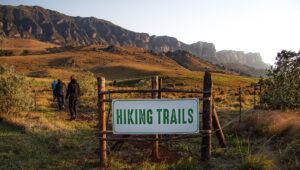
The Drakensberg has hiking trails to suit all levels, taking you through some of the most dramatic mountain scenery in South Africa.
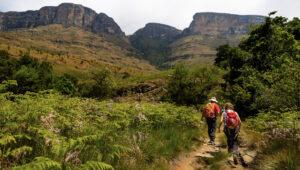
The Drakensberg is a great family destination, with scenic hikes and open spaces to explore together.
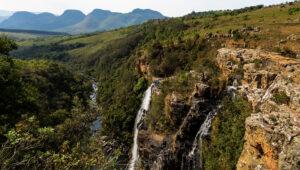
The Drakensberg is dotted with cascading waterfalls and dramatic gorges — a landscape that rewards every hike with something spectacular.
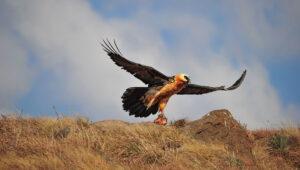
High above the escarpment, bearded vultures can be seen soaring across the Drakensberg skies.
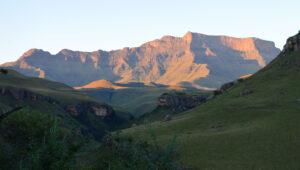
As the sun sets, golden light washes over the rugged cliffs of the Drakensberg.
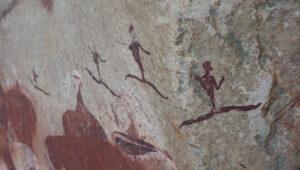
Cave walls throughout the Drakensberg still display centuries old San rock art.
From the top of the Amphitheatre, the valleys stretch far into the distance.
WHEN TO GO
Best time to visit the Drakensberg Mountains
The Drakensberg Mountains in South Africa are a year-round destination, with each season offering something unique.
Autumn (March-May) and Spring (September-November) are favoured for mild weather, ideal for outdoor activities and with fewer crowds (although it never gets crowded).
Summer (November to March) is marked by lush valleys, cascading waterfalls and warm days great for hiking, although afternoon thunderstorms can be expected.
Winter (May to August) brings crisp, clear skies, cool temperatures and snowfall at higher altitudes. Climbers and overnight hikers must remain aware of changing weather conditions at all times.

Dry Season
May to SeptemberIdeal for hiking

Rainy Season
October to MarchBest for birdwatching
Experience the Drakensberg Mountains
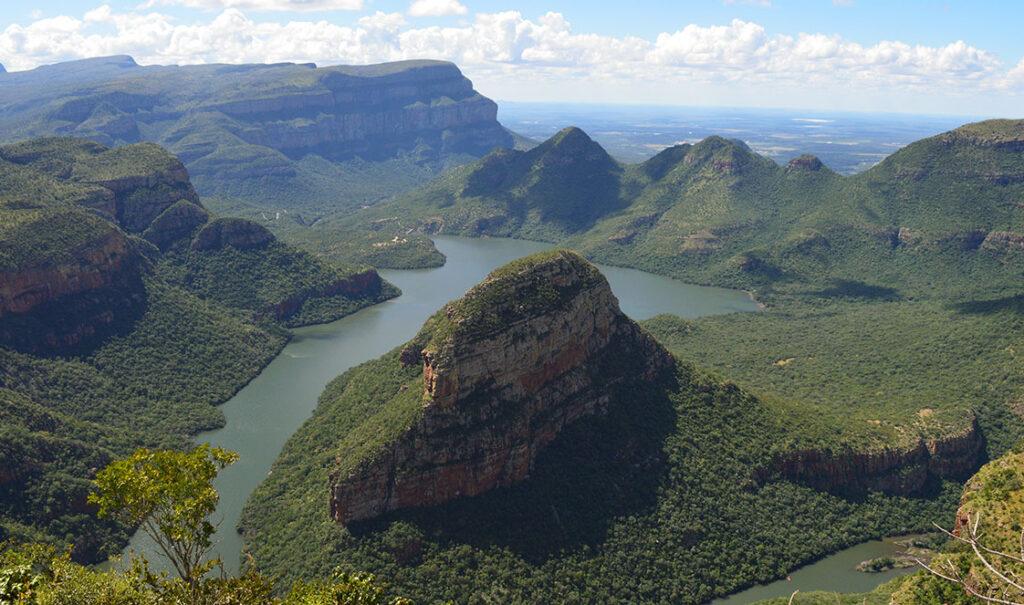
Small Group Lodge Tour
Fascinating South Africa
Places Pretoria, Drakensberg Mountains, iSimangaliso Wetland Park, St. Lucia Estuary, Hluhluwe-iMfolozi Park, Pongola Game Reserve, Swaziland, Kruger National Park, Garden Route, Cape Peninsula, Cape Town
20 Days
from getting current exchange rate... per person sharing
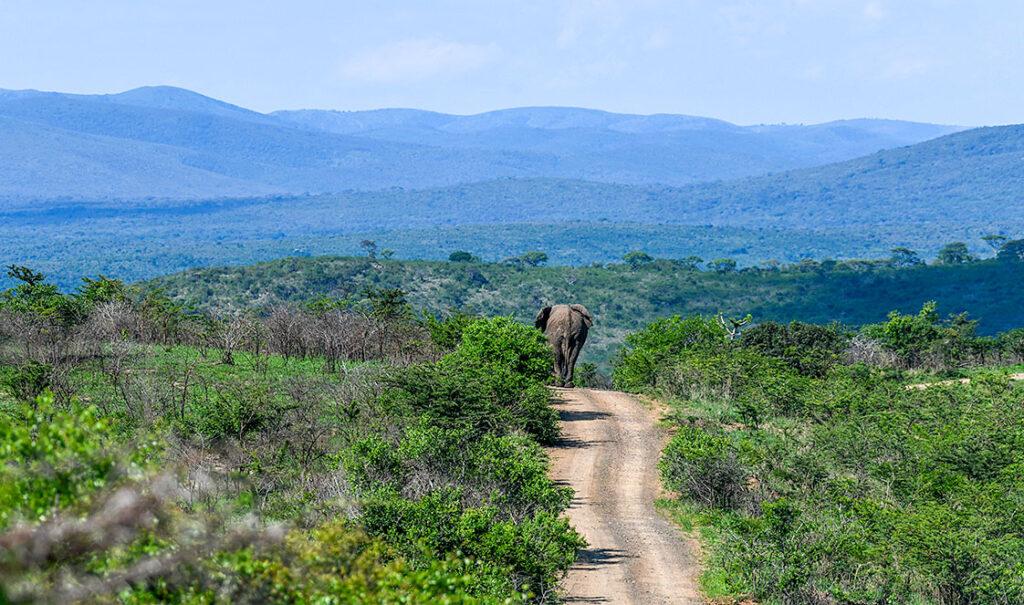
Small Group Lodge Tour
Jewels of the North & East
Places Pretoria, Drakensberg Mountains, Clarens, Golden Gate National Park, St Lucia, iSimangaliso Wetland Park, Hluhluwe-iMfolozi Park, Pongola Game Reserve, Swaziland, Kruger National Park, Panorama Route
13 days
from getting current exchange rate... per person sharing
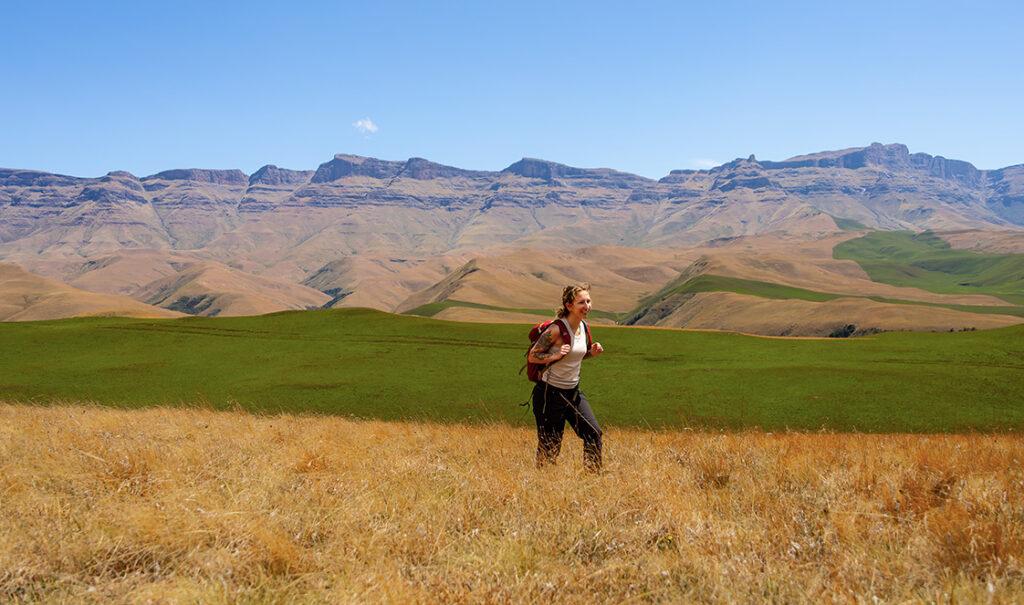
Private Guided Hiking Tour
Hiking South Africa: Mountains and Wildlife
Places uKhahlamba Drakensberg Park, Royal Natal National Park, Witsieshoek, Giant’s Castle Reserve, Kamberg Region, St Lucia, iSimangaliso Wetland Park, Hluhluwe-iMfolozi Park
11 Days
from getting current exchange rate... (based on 7 persons)
Private Self-Drive Tour
South Africa’s North & East Coast
Places Drakensberg Mountains, Durban, St. Lucia, iSimangaliso Wetland Park, Hluhluwe-iMfolozi Game Reserve, Kosi Bay, Eswatini, Kruger National Park, Panorama Route
18 Days
from getting current exchange rate... per person sharing
Why to go
Breathtaking scenery & cultural heritage: Discover the Drakensberg's hiking trails, cave art, and the legendary Sani Pass
As one of South Africa’s most spectacular destinations, the Drakensberg Mountain range is worth visiting for its breathtaking scenery and cultural significance.
Here you can hike challenging trails like the Drakensberg Grand Traverse, learn about the ancient Drakensberg Cave paintings or test your driving skills on the winding Sani Pass.
It is also a UNESCO-listed gem, thanks to the Maloti-Drakensberg Park World Heritage Site that offers protection to both wildlife and cultural heritage.
Whether you’re after adventure, want to learn about the ancient San culture or just need some room to breathe, the Drakensberg promises a memorable mix of nature, culture and discovery.

‘The first time I visited the Drakensberg, I was struck by how immense and untouched the mountains felt compared to anywhere else I’d travelled in South Africa.’Mia | South Africa Travel Expert
Hike and Bike
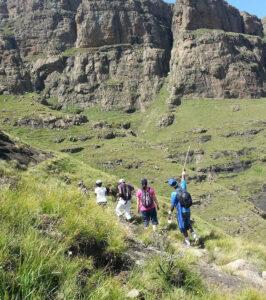
Explore marked trails on foot or by bike through valleys and along mountain passes.

Rock Art
Ancient San paintings can still be seen in caves across the Drakensberg.

Scenic Drives
Follow winding roads through changing landscapes and high mountain views.

Wildlife Sanctuaries
Protected areas offer opportunities to see wildlife in a dramatic mountain setting.

Rock Climbing
Steep cliffs and sandstone walls make the region a popular climbing destination.
Things to do
Alpine Activities Abound
The vast expanse of South Africa’s Drakensberg Mountains is packed with activities for all travellers. Scenic hikes, challenging climbs, birdwatching and mountain biking are just a few ways to create memories in this high-altitude playground.
For cultural enrichment, view rock art or attend a choral concert.
- Hike and bike
- Birdwatching
- Rock art
- Scenic drives
- Wildlife sanctuaries

Baboons
Baboons can be spotted across the slopes and valleys of the Drakensberg.

Mountain Peaks
The towering peaks shape a high altitude landscape that supports unique wildlife.

Birdlife
The Drakensberg is home to species such as the endemic rockjumper or the rare Bearded Vulture.
UKHAHLAMBA - THE BARRIER OF THE SPEARS
The most fascinating peaks in the Drakensberg Mountains
The ragged spine of the Drakensberg range is dominated by some impressive peaks, collectively resembling the back of a dragon.
In winter, these lofty spires are often dusted in snow, creating a high-altitude mythical landscape. Their remoteness protects them from development, rendering a landscape for silent mountain meditations.
- Thabana Ntlenyana – 3,482 meters (11,424 ft)
- Mafadi – 3,450 meters (11,319 ft)
- Champagne Castle – Distinctive bottle shape
- Cathedral Peak – Incredible free-standing spire
- Giant’s Castle – Ancient rock art
Where to stay in and near the Drakensberg Mountains
Location
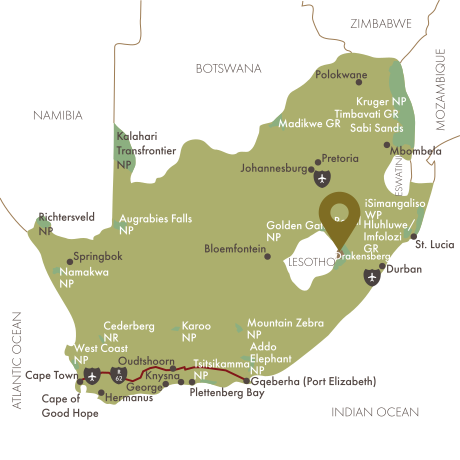
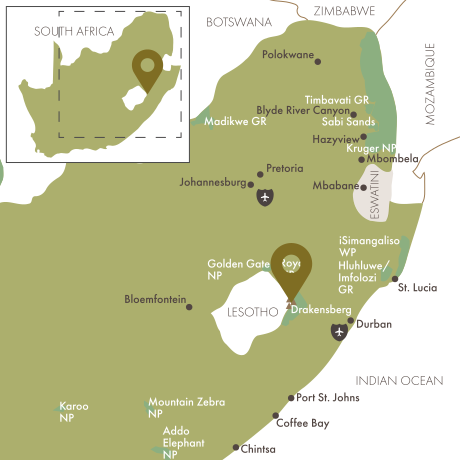
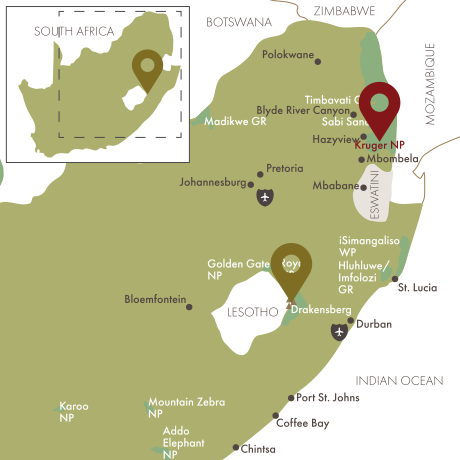
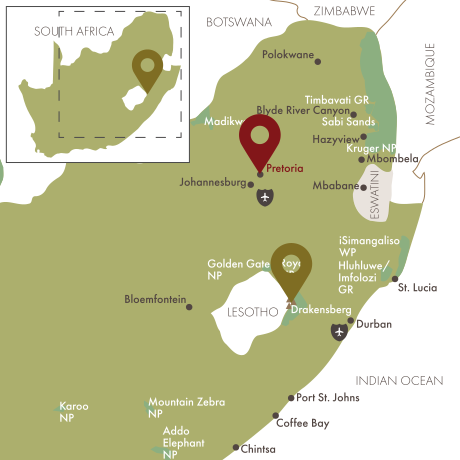
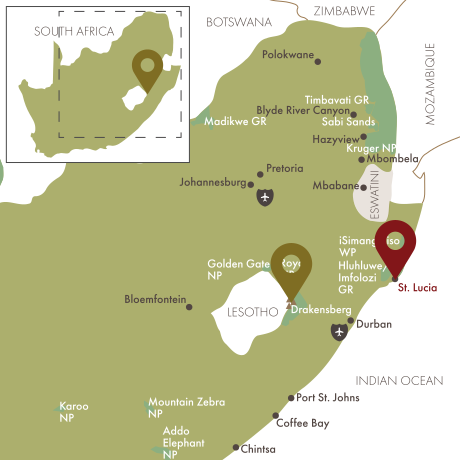
The Drakensberg Mountain range is a series of ranges that extend 1000 from north to south in eastern South Africa. The range spans KwaZulu-Natal, the Free State, and the Eastern Cape, and forms part of the border with neighbouring Lesotho.
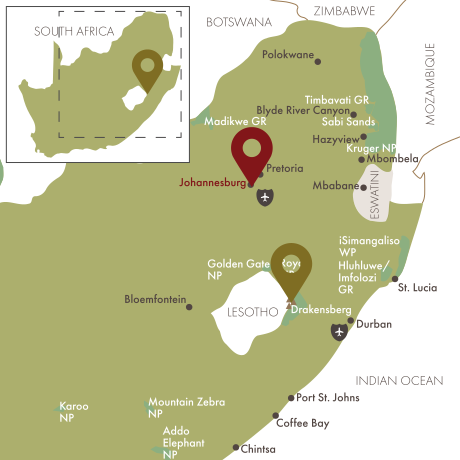
The nearest international airport is OR Tambo International Airport in Johannesburg. From there, it takes between 4.5 and 6 hours by road to reach the Drakensberg, depending on the specific destination.
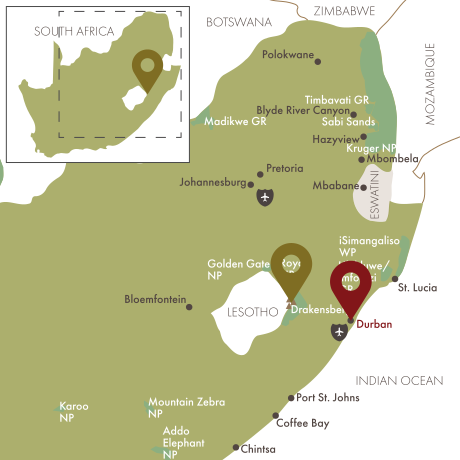
Several international flights and a range of regional flights serve Durban’s King Shaka International Airport. Driving time to the Drakensberg varies between 2.5 and 3 hours, depending on your destination.
The closest regional airport is in Pietermaritzburg, approximately 2-2.5 hours away.
- Drakensberg Mountains (Giants Castle Camp)
- Durban 205 km | 3 hours by road
- Johannesburg (International Airport) 460 km | 5.5 to 6 hours by road
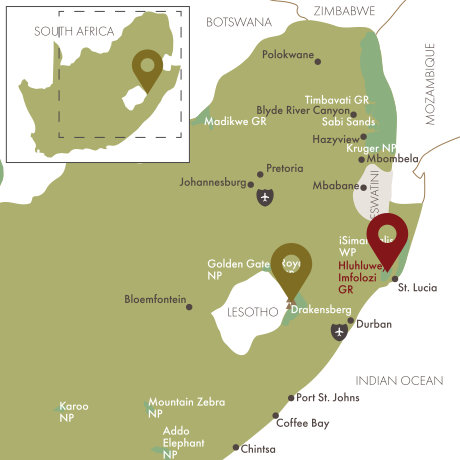
- Hluhluwe-iMfolozi Park (Hilltop Camp) 435 km | 6.5 hours by road
- Kruger National Park (Skukuza) 700 km | 10 hours by road
- Pretoria 500 km | 6 hours by road
- St Lucia 410 km | 6 hours by road


Experience South Africa with us
Speak to one of our local advisors
x
Let's start planning your trip!
We will get back to you within 2 working days.