 on Google


Health & Safety and Malaria in South Africa
Is South Africa safe to travel? Visitors to South Africa are generally unaffected by crime. While the country certainly has many challenges in this regard, they are confined to areas not often frequented by tourists.
Most regions are malaria-free, but it is present in some areas between September and May.
Here we share important information on how to stay safe and essential travel health tips for South Africa while visiting South Africa.
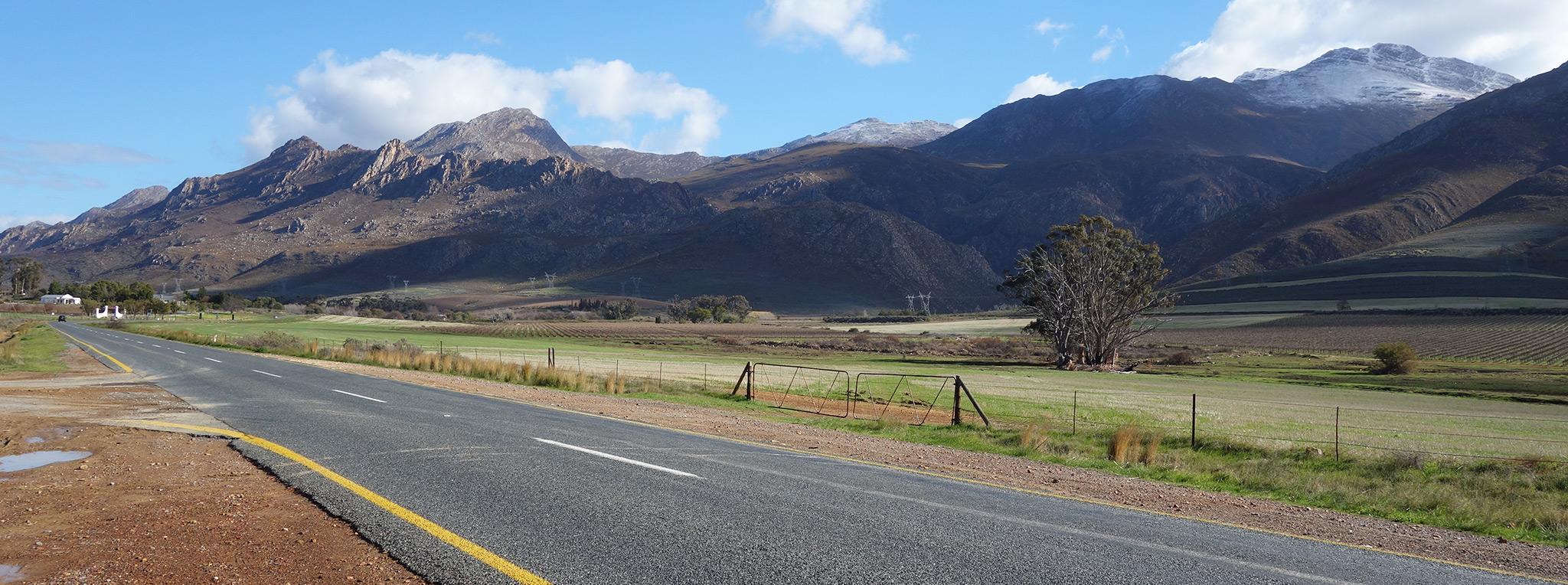
IS SOUTH AFRICA SAFE?
Overall situation
Every year, millions of visitors travel to South Africa, with the vast majority enjoying a safe, rewarding experience. Like any country, there are some risks to be aware of. With sensible planning and awareness, these seldom affect tourists.
So, is South Africa safe? While South Africa does have high crime rates, this rarely impacts tourists who visit popular destinations. Crime tends to be highly localized and concentrated in specific neighbourhoods that visitors don’t typically frequent.
By sticking to well-established tourist areas, using reputable operators, and following standard travel safety practices, tourists can easily avoid potential issues and enjoy their South African adventure safely.
Travel health considerations in South Africa are similarly straightforward. At certain times, malaria occurs in a small part of northeastern South Africa. General travel vaccinations and insurance go a long way to ensuring peace of mind.
Most South African roads are in good condition, and car rentals are a popular method to explore. Provided you drive with care and avoid driving in rural areas after dark, you shouldn’t have any problems.
With planning and by taking reasonable precautions, your trip to South Africa is bound to be without incident.
ROAD SAFETY
Is it safe to drive in South Africa?
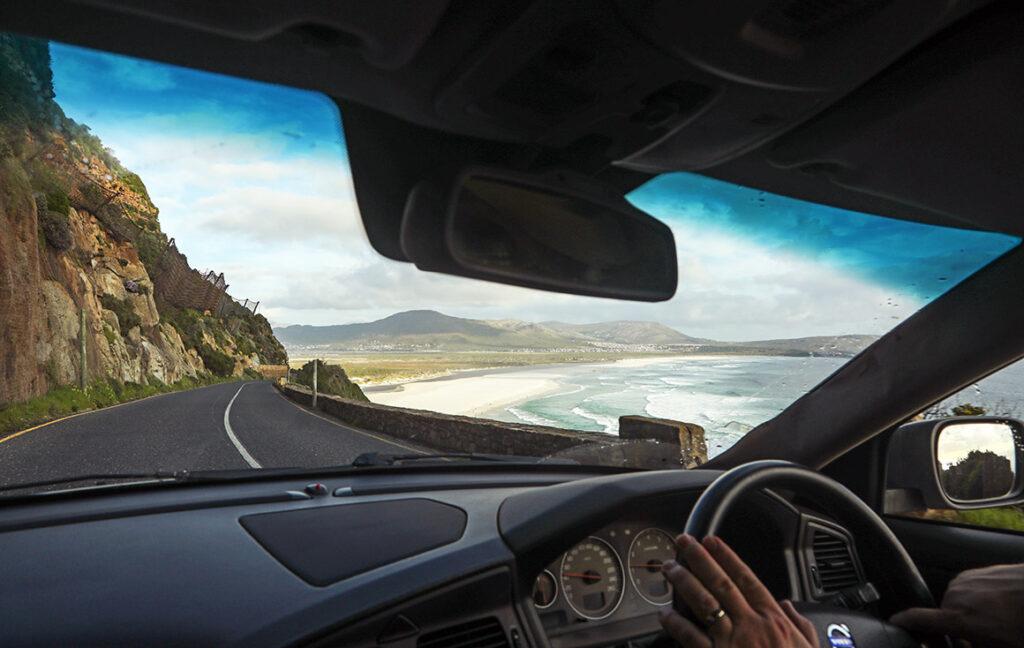
A self-drive holiday in South Africa is one of the best ways to experience the country. The good news is that it is safe to rent a car, provided you take sensible precautions.
Vehicles drive on the left side of the roads, and internationally recognised signage is used. There is a well-developed road network, particularly between major cities and tourist destinations.
Major car hire companies maintain modern, reliable fleets. Ensure your vehicle has a first aid kit and spare tire/s.
Keep your insurance and emergency contact details on hand and ensure you have a cell phone with access to local networks.
Here are a few more things to consider: Traffic accidents are more common than in European countries. Contributing factors include long travel distances, occasional reckless driving and pedestrians and animals on rural roads.
Avoid driving at night outside of towns, keep to main routes where possible and plan your fuel stops in advance.
Vehicle crime can occur. Keep doors locked, windows closed and valuables out of sight to reduce the risk.
Another frequent question is whether it is safe to use rideshare services, like Uber. In major cities, they are widely used and considered safe, provided they are booked and tracked on the official app.
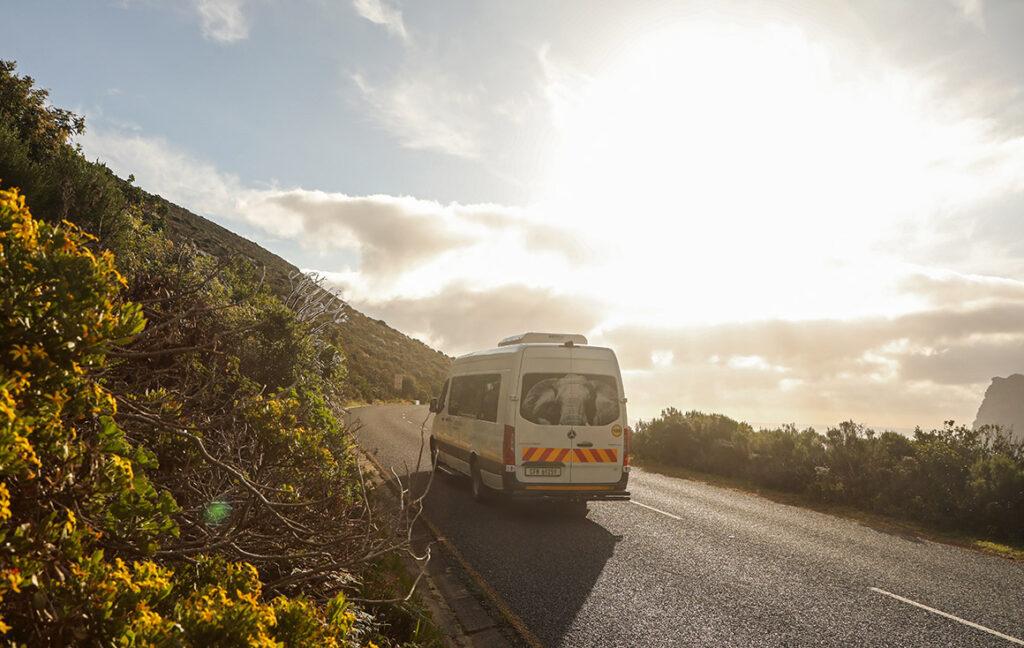
On our guided tours, you will travel with one of our local guides in our Mercedes Sprinters. They are responsible for dealing with any issues for the tour’s duration.
Overall, self-drive holidays give travellers the freedom and flexibility to discover South Africa’s attractions at their own pace. With planning, awareness and safe driving, the vast majority of visitors find the roads, convenient, easy to navigate and safe.
South Africa’s well-maintained roads make it easy to explore the country on a self-drive adventure.
VACCINATIONS AND MALARIA IN SOUTH AFRICA
Which vaccinations do I need for South Africa?
Before visiting South Africa, you should consult your GP or local travel clinic on travel health for South Africa to learn which vaccines and preventative measures are necessary. Additionally, the WHO and CDC issue recommendations depending on your travel region, accommodation type and activities.
Ensure that your routine immunisations are up to date. Check whether you are required to get a yellow fever vaccine. Some doctors recommend immunisation against hepatitis A and typhoid.
Consult your doctor about your personal health needs if you have other health concerns.
Is there Malaria in South Africa?
While malaria is present in South Africa, it only occurs in specific regions, and is not widespread.
The risk is confined to the far northeast of the country, specifically parts of Limpopo, Mpumalanga and northern KwaZulu-Natal, including the Greater Kruger National Park and iSimangaliso Wetland Park.
The rest of South Africa, including Cape Town, Johannesburg, the Garden Route, Northwest Province and the Northern, Eastern and Western Cape, is considered completely free of malaria.
Transmission mainly occurs during the warmer, wetter summer months, from September to May. The highest risk areas include the low-lying areas bordering Mozambique and Zimbabwe.
Even in these regions, malaria prevention is straightforward. Firstly, consult your doctor before travelling about anti-malaria medications.
While in these areas, cover your arms and legs at night, use insect repellent and mosquito nets where provided.
Game lodges in malaria areas are well-versed in preventive measures, often providing repellent and screened accommodations.
If you develop symptoms within 30 days of travel, advise your doctor of potential malaria exposure.
For most, the risk of malaria should not deter travel. By preparing properly, the risk is extremely low. For your peace of mind, consult your doctor for the best preventive approach.
DISCOVER EXCLUSIVE SOUTH AFRICA TOURS

OUR EXPERT ADVICE
FOR REASSURANCE, GET INSURANCE
We strongly recommend obtaining comprehensive travel insurance when travelling to South Africa and elsewhere.
It ensures peace of mind by covering unexpected medical expenses, including private health care, evacuation, repatriation and travel-related losses, like lost luggage and cancellations.
A valid policy ensures you can travel with confidence and security.


Experience South Africa with us
Speak to one of our local advisors
x
Let's start planning your trip!
We will get back to you within 2 working days.