 on Google


Timbavati Game Reserve
Size
534 km2 (206 sq mi)
Founded
1956
Best time to visit
May to September
Timbavati: Where wild legends roam
Famed for its Big 7 sightings and the legendary white lions of Timbavati, the Timbavati Private Game Reserve forms part of the Greater Kruger National Park. With intimate lodges like King’s Camp, RockFig Safari Lodge, and Tanda Tula, a Timbavati safari blended wilderness with understated luxury. Wild landscapes, thriving wildlife, and authentic bush experiences make the Timbavati unmissable.
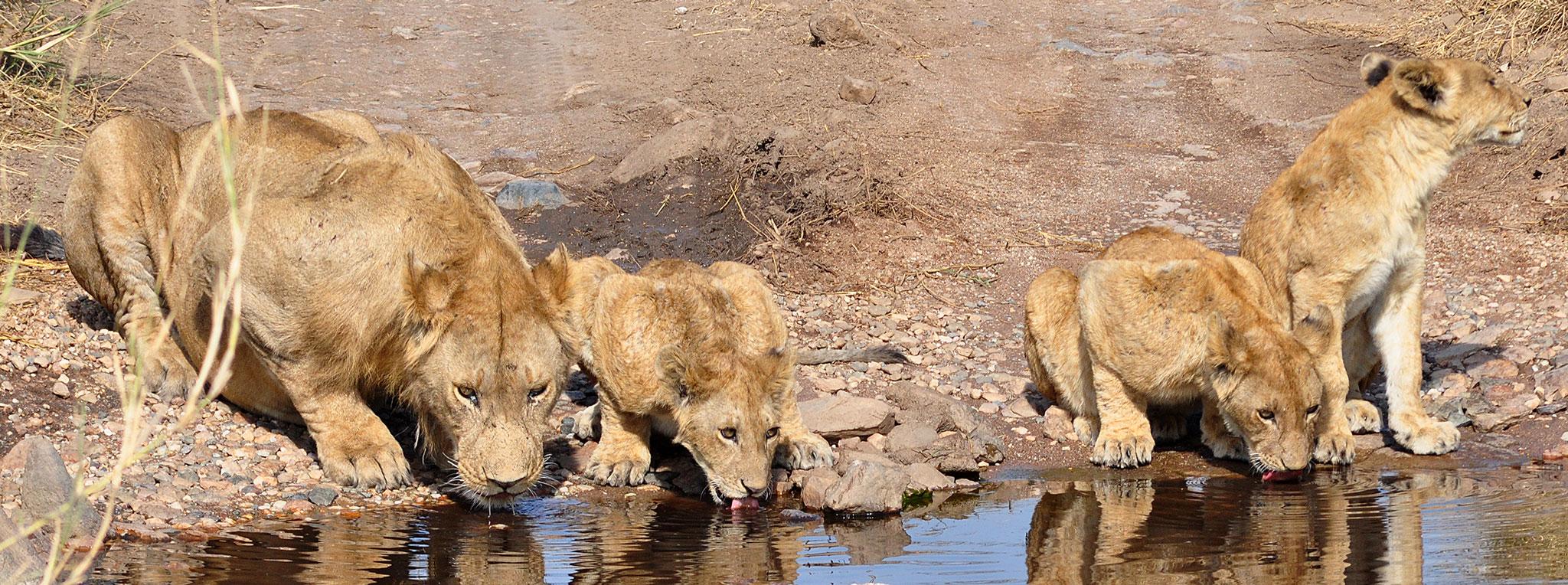
Timbavati Nature Reserve: Legendary lions and rugged beauty
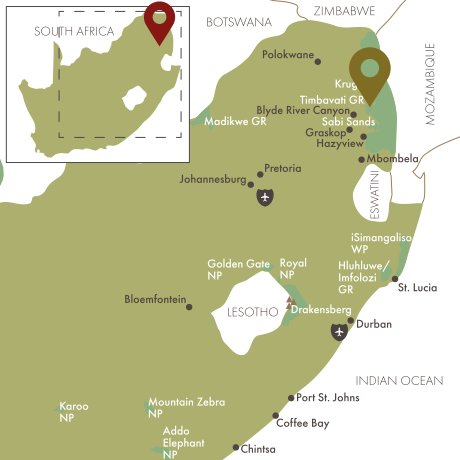
Sharing an unfenced border with the Kruger National Park, the Timbavati Game Reserve is part of a huge, unfettered ecosystem.
Spanning 53,000 hectares of virgin bushveld, the Timbavati Private Nature Reserve caught the public’s imagination when a litter of white lions were born there in the 1970s.
Subsequently, it has received acclaim for thriving game populations, including the Big 7.
Safaris and activities in Timbavati Game Reserve
Twice-daily game drives in open 4×4 vehicles bring guests heart-stoppingly close to Africa’s thrilling wildlife, while guided bush walks reveal Nature’s intricacies–animal tracks, medicinal plants and insects.
For photographers, a Timbavati photo safari is an absolute treat, with habituated wildlife and warm light setting the stage for incredible shots.
Some lodges offer wellness treatments and child-friendly programs.
Wonderful, widespread wildlife
For many, the Big Five – lion, leopard, elephant, rhino and Cape buffalo – are the main attraction. Notably, the lion population carries a rare gene, with litters of white lions born from time to time.
However, you also have an excellent chance of seeing endangered cheetahs and African wild dogs.
The reserve is also renowned for the huge herds of elephants and buffalo it attracts, with the latter a prime target for the notably large lion prides.
Plains game, from towering giraffes to diminutive duiker, are well-represented, as are birds; over 350 species have been recorded.
All in all, Timbavati is home to over 40 mammals, 79 species of reptiles and 85 species of trees.
Where to stay in Timbavati Game Reserve
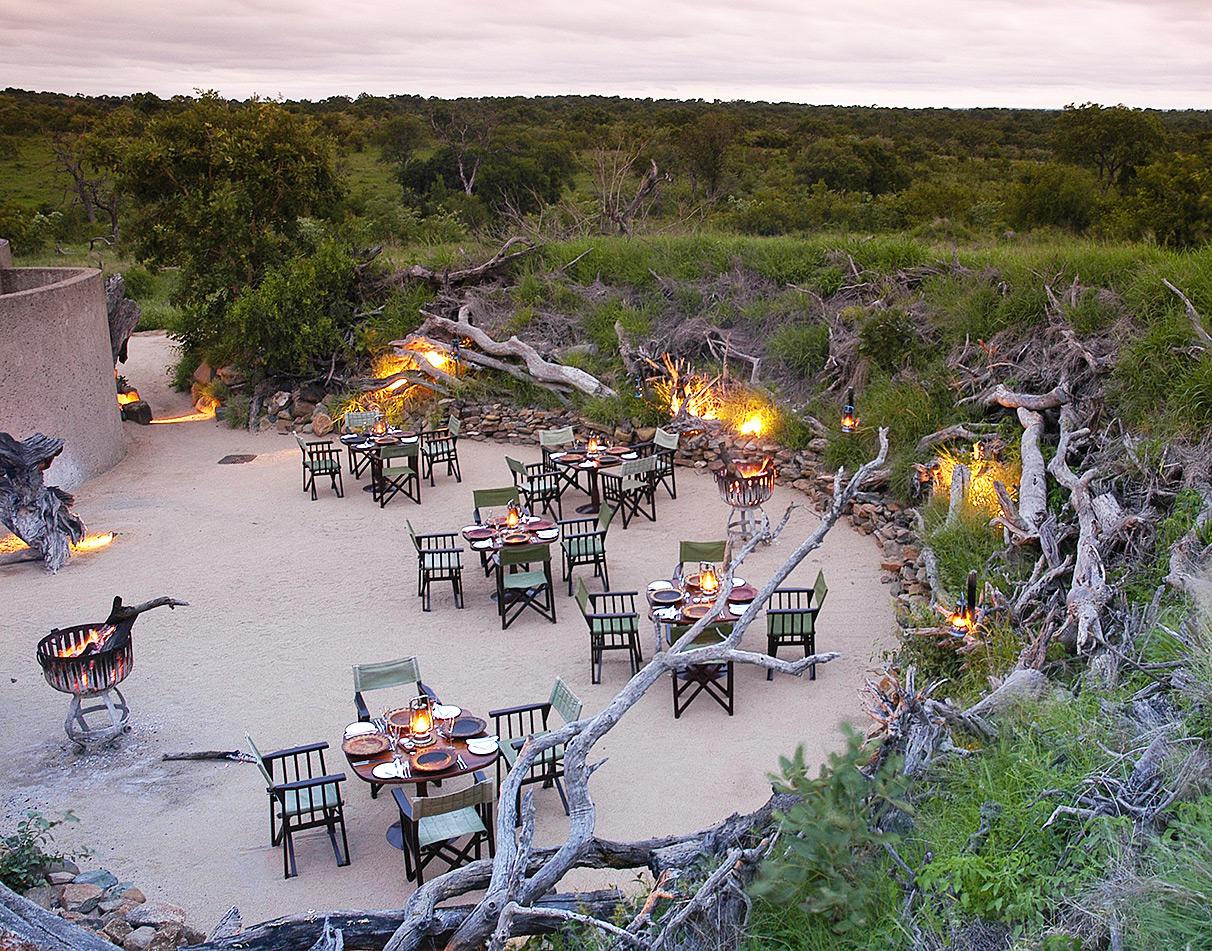
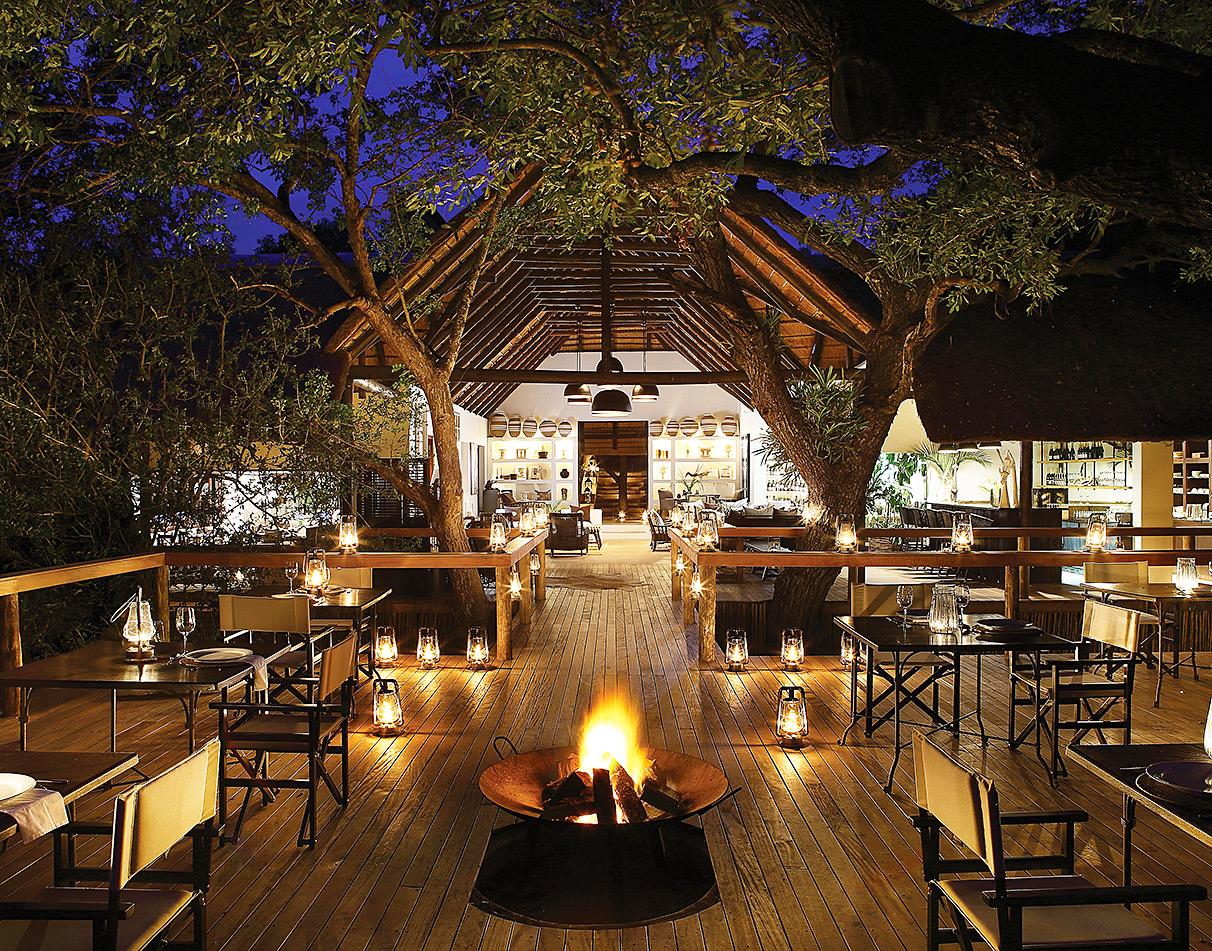
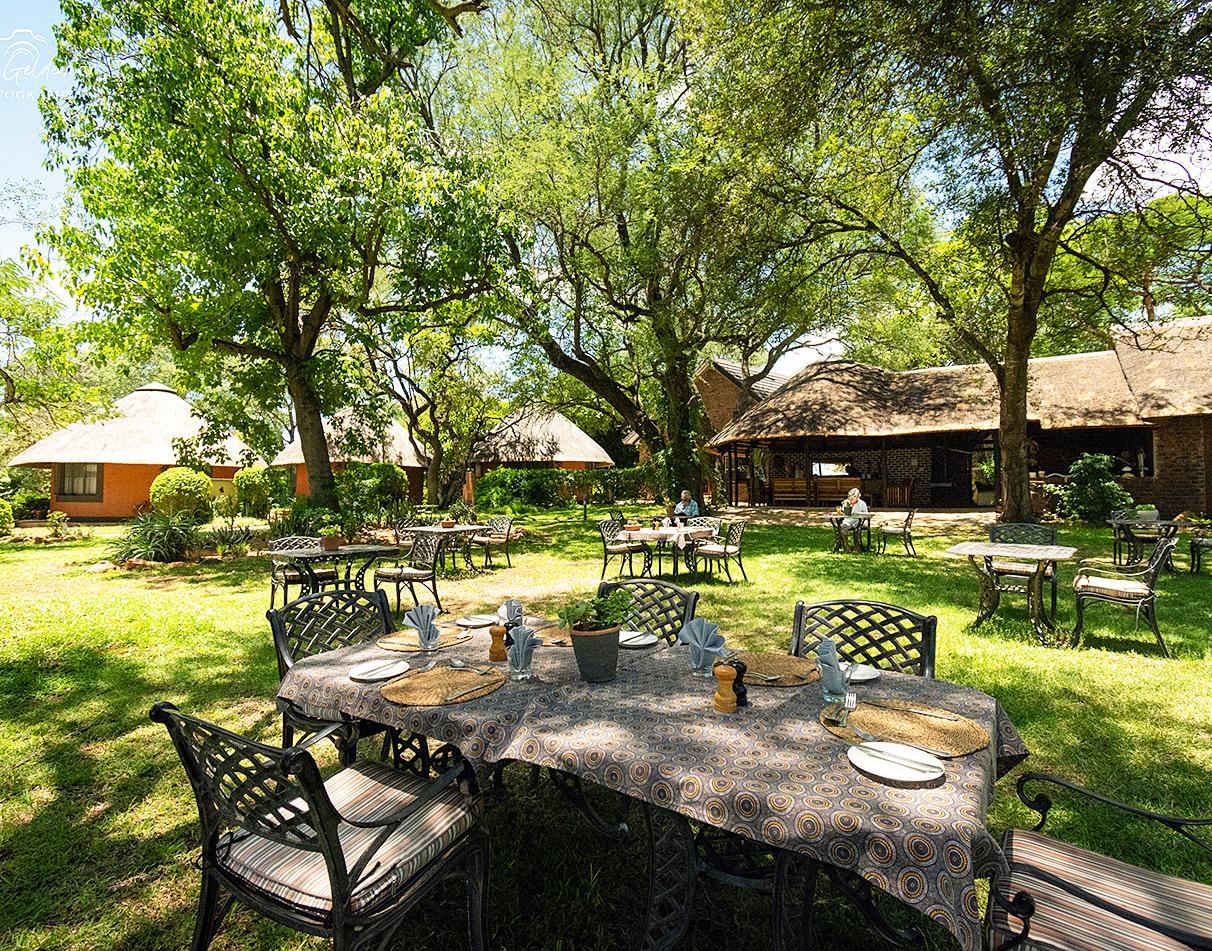
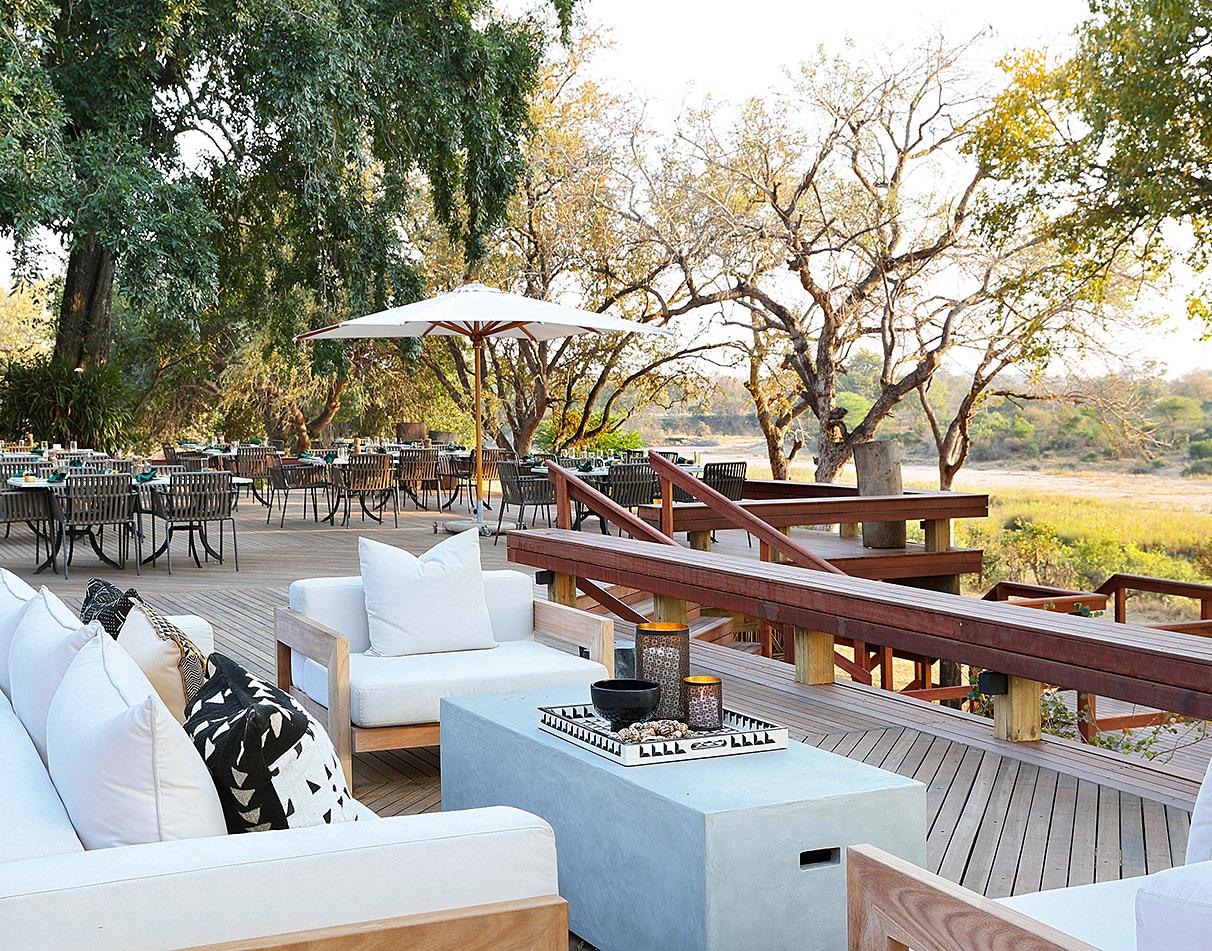
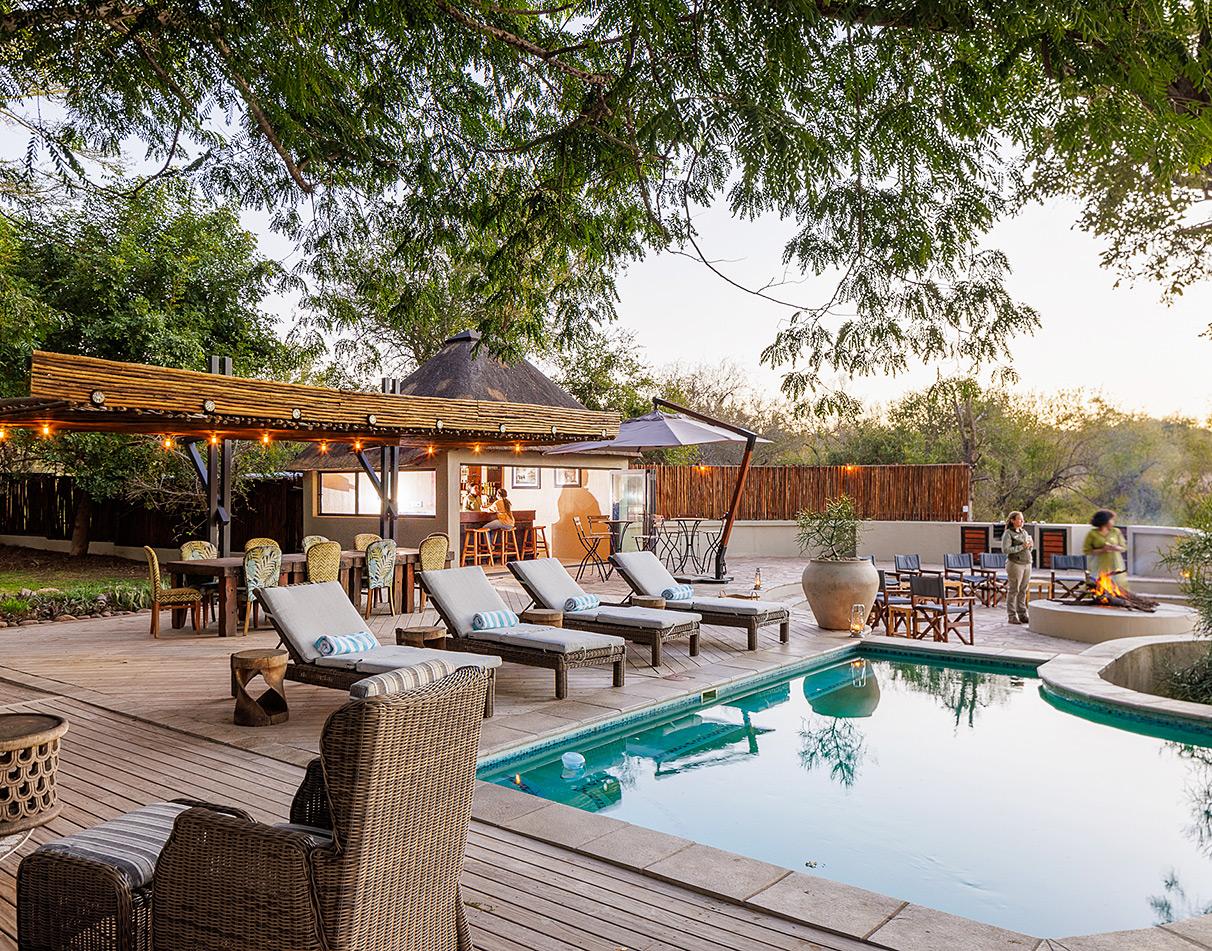
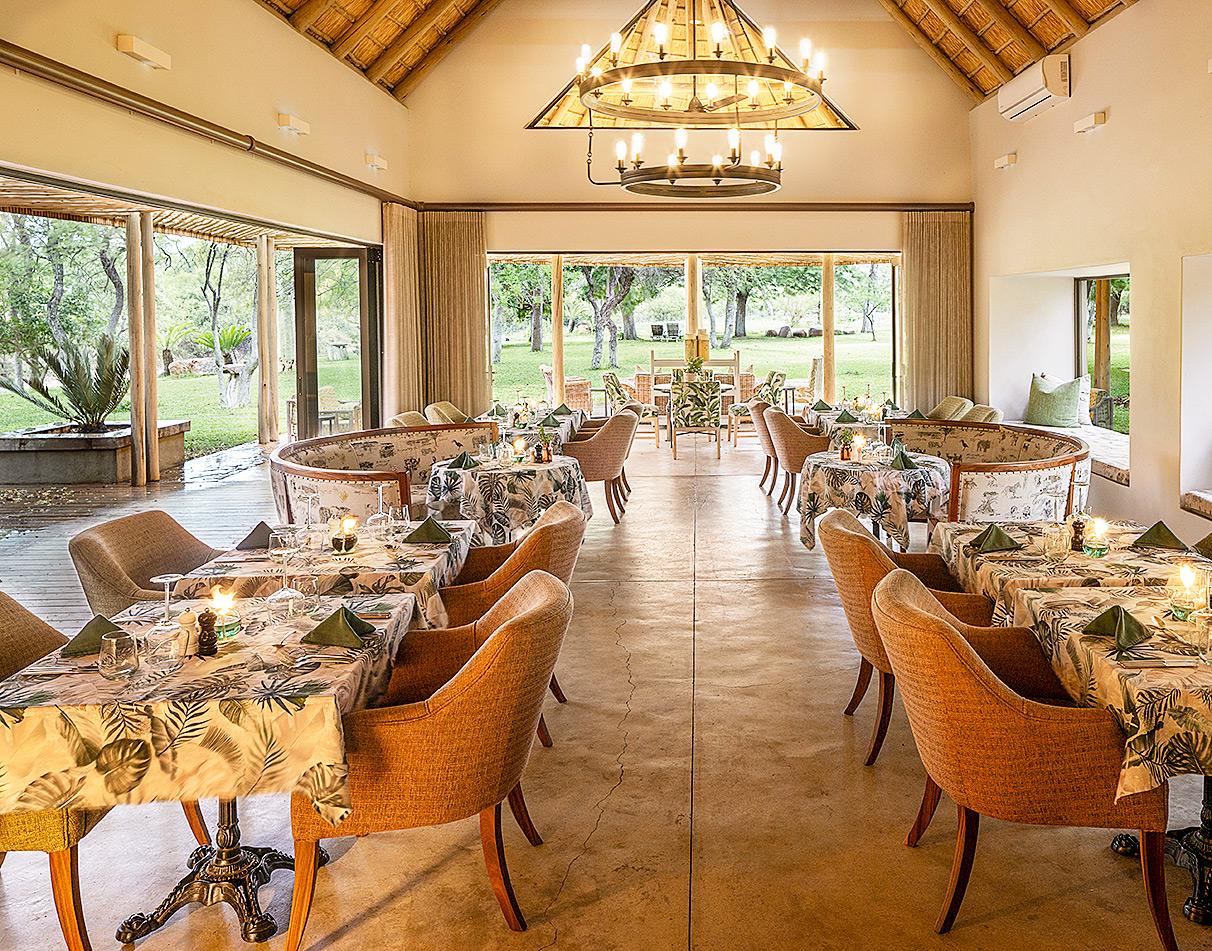
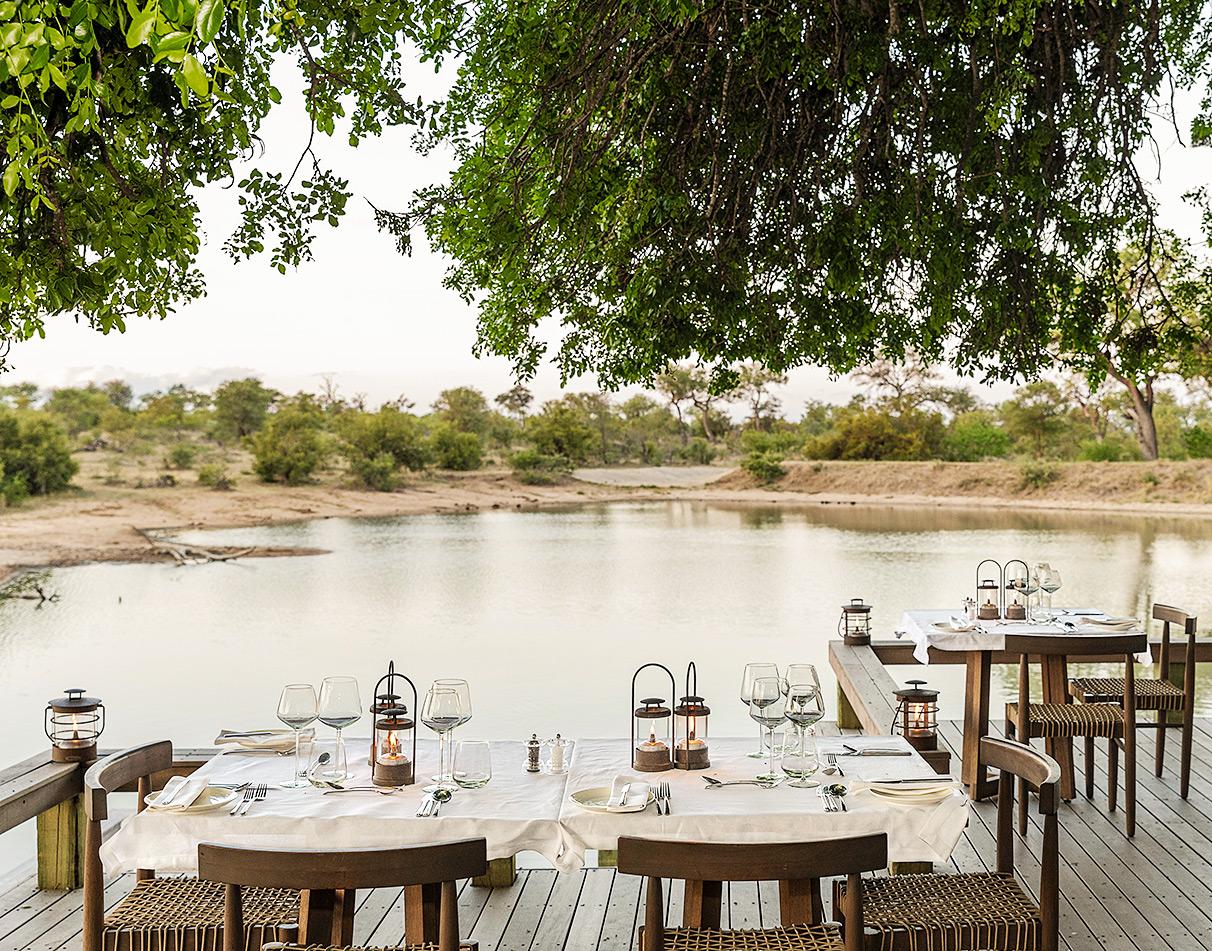
Within this rugged wilderness, you’ll find pockets of luxury at the various lodges dotted across the reserve.
For elegance, grace, King’s Camp. For intimacy, sneak over to RockFig Safari Lodge.
For a luxury tented experience, Tanda Tula has you comfortably covered.
Child-friendly Kambaku keeps young minds curious, while the rustic Umlani has you feeling like an explorer of old.
After 50 years, Motswari is the reserve’s doyenne, while Simbavati puts a fresh face on safari.
Landscape and habitats
The Timbavati Reserve boasts varied habitats, riverine forests fade into expansive savannahs, while mopane woodlands hide rocky ridges frequented by leopards.
This ecological diversity supports an amazing array of birds, fauna and flora, making a Timbavati safari a feast for nature lovers. In this ever-changing landscape, no two game drives are alike.
Conservation successes
The Timbavati Nature Reserve is a shining example of community-led conservation and actively engages with the neighbouring communities, providing various employment and upliftment opportunities.
Furthermore, as part of the Greater Kruger, it serves as a vital wildlife corridor, ensuring that animals can move freely and thereby benefiting the entire ecosystem.
The Timbavati is distinguished by its blend of exclusivity and authenticity.
Visitors enjoy low vehicle densities and uncrowded sightings, giving every game drive a personal touch.
Add legendary wildlife encounters, seasoned guides and conservation-driven lodges, and it is clear why a Timbavati safari is one of South Africa’s most desirable wildlife experiences.

White lions
The local lion population carries a rare recessive gene, resulting in the only wild population of white lions on Earth.

Secret safari
Somewhat less commercial than other private game reserves, the Timbavati safari experience evokes a traditional sense of wilderness adventure.
Big Seven
Along with the traditional Big Five, the frequent presence of cheetahs and wild dogs, make this one of only a handful of Big Seven wildlife destination in Africa.
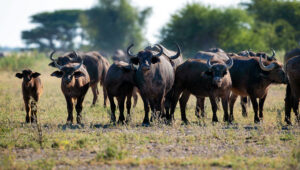
Large herds of buffalo are commonly seen across Timbavati’s vast wilderness.
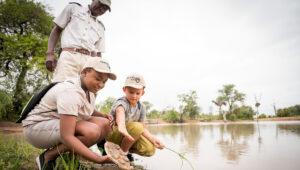
Lodges such as the Kambaku offer family friendly safari experiences where children can discover nature alongside expert guides.
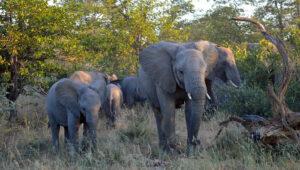
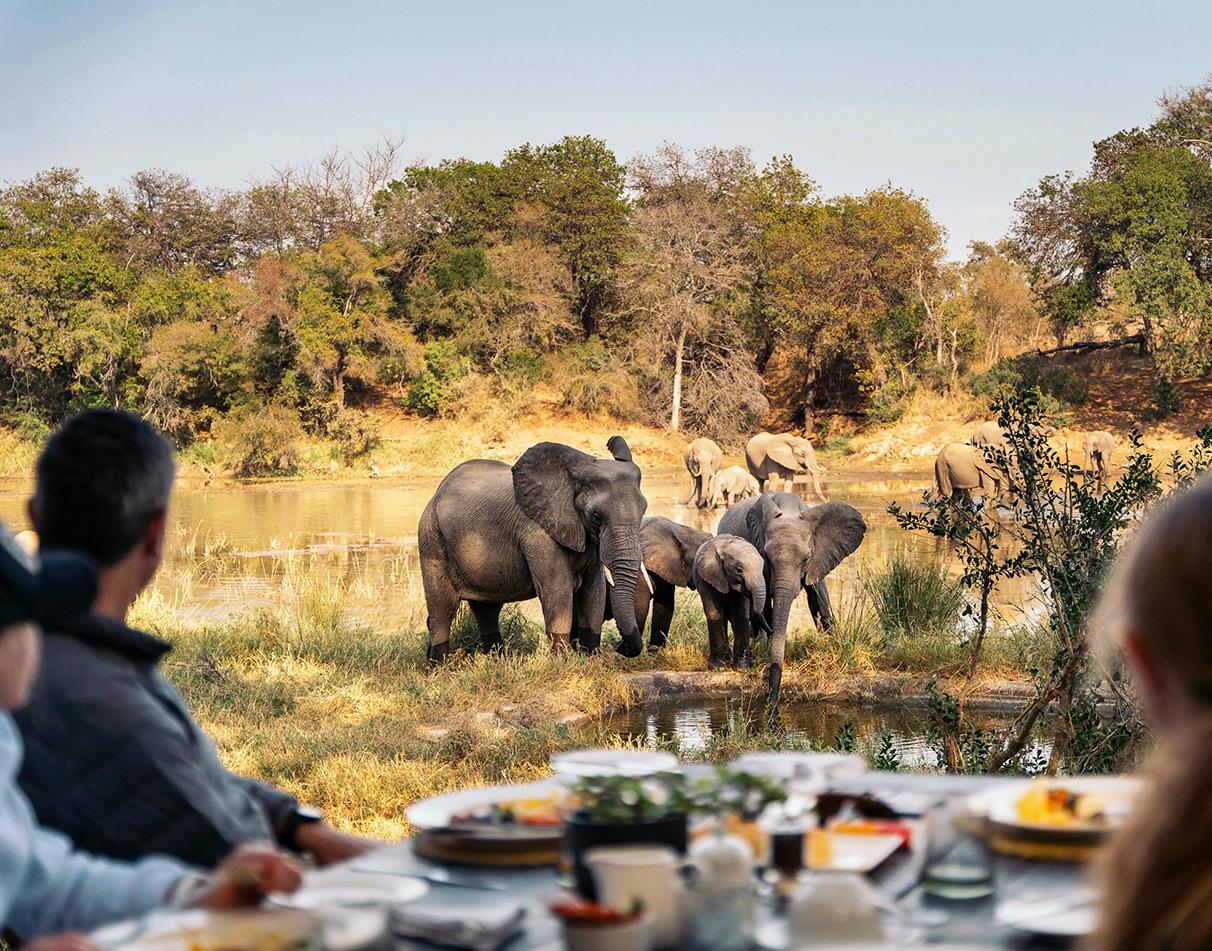
Elephant herds are a regular and spectacular sight in the Timbavati Game Reserve.
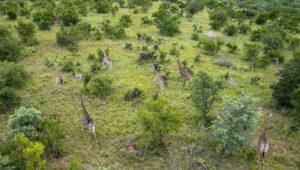
From above, the Timbavati Game Reserve reveals its vast landscapes of savannah and woodland.
WHEN TO GO
Best time to visit Timbavati Nature Reserve
The Timbavati Game Reserve is a year-round destination, although each season offers something special.
From May to September, the dry winter months see huge herds of elephants and buffalo move into the area and, as water becomes scarce, wildlife is easier to spot around permanent water sources.
Visitors should note that it can get quite chilly on game drives, so a few items of warm clothing are recommended.
By contrast, summer (October to March) heralds lush greenery, migratory birds, and the pitter-patter of little paws as newborn wildlife abounds.
Whether you’re after predator action, a myriad of birds, or simple serenity, the Timbavati consistently delivers.

Dry Season
May to SeptemberIdeal for wildlife concentrated near water

Rainy Season
October to AprilBest for migrant bird species
Experience Timbavati Game Reserve
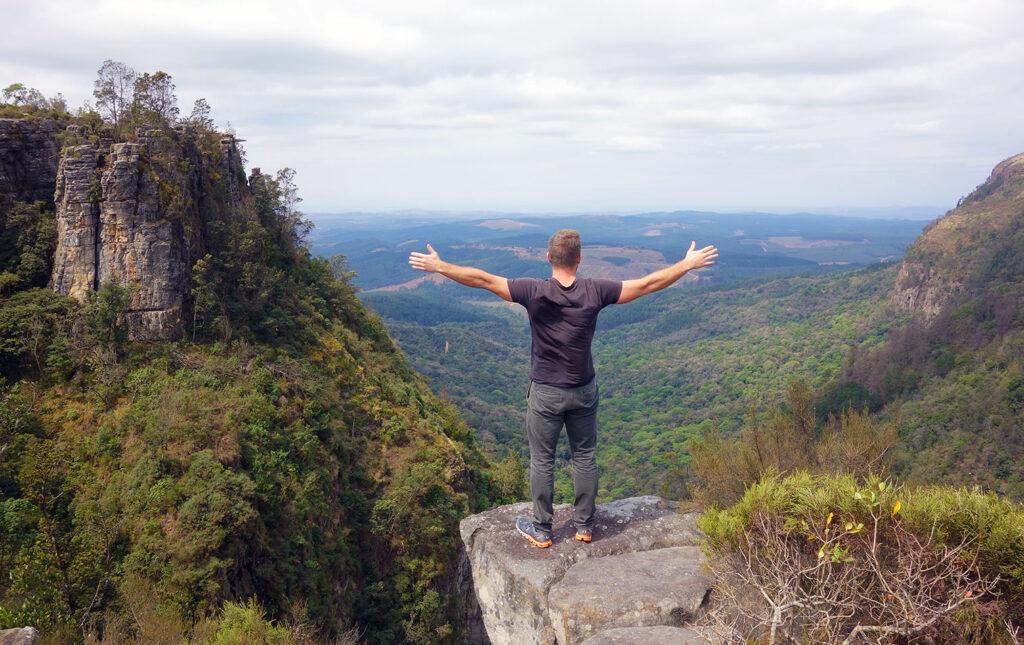
Why to go
An authentic bushveld experience
Unlike some private reserves, the sense of being in the wilderness is pronounced for visitors to the Timbavati.
The reserve lies adjacent to a vast wilderness in Kruger, and the wildlife encountered somehow feels wilder. One doesn’t get the sense that it is ‘wildlife-on-demand’, making each sighting even more special.
When the huge herds of buffalo and elephant move into the reserve, it feels like the Africa of old.
The reserve has one of the highest densities of lions in South Africa, with sightings of white lions a rare treat.
In keeping with this, the lodges generally offer a more understated luxury, enhancing the safari experience.

“One of the things I love about Timbavati is how authentic the safari experience feels, surrounded by vast wilderness and very few vehicles.“Marlene | South Africa Travel Expert

Game & Night Drives
Morning and evening drives reveal Timbavati’s rich wildlife, while night drives uncover nocturnal species.

Bush Walks
Explore the wilderness on foot with experienced guides.

Birdwatching
350 bird species make Timbavati a rewarding destination for birdwatchers

Spa Treatments
Relax with wellness treatments at lodges such as King’s Camp.
Things to do
Plenty of wildlife activon in the Timbavati
The activities on offer across the Timbavati Game Reserve are mostly wildlife focused. Lodges offer twice-daily game drives in open safari vehicles. These depart in the early morning and late afternoon.
Guides offer walks between drives. There are also photographic hides at waterholes. Some lodges offer wellness treatments. Cultural excursions can be arranged.
- Game drives
- Night drives
- Bush walks
- Birdwatching
- Spa treatments

Big Five
Lion, leopard, elephant, rhino and buffalo are regularly encountered in the Timbavati.
Endangered Predators
Cheetahs and African wild dogs are among the rare predators that roam the reserve.

Excellent Birding
Over 350 bird species have been recorded across the Timbavati Nature Reserve

Large Elephant and Buffalo Herds
Impressive herds of elephants and Cape buffalo move across the reserve.

Highest Density of Lions in South Africa
The Timbavati is known for hosting one of the highest lion densities in the country.
WILDLIFE IN TIMBAVATI GAME RESERVE
Some of South Africa's most rewarding game viewing
The wildlife of the Timbavati is largely well-habituated to vehicles, meaning you can look forward to amazing encounters with a huge variety of species.
The Big 5 are frequently seen, and it is one of the best places in South Africa for wild dogs.
General game movements are seasonal, with winter bringing the highest densities.
- Big Five
- Endangered predators (cheetah and wild dogs)
- Excellent birding
- Large elephant and buffalo herds
- Highest density of lions in South Africa
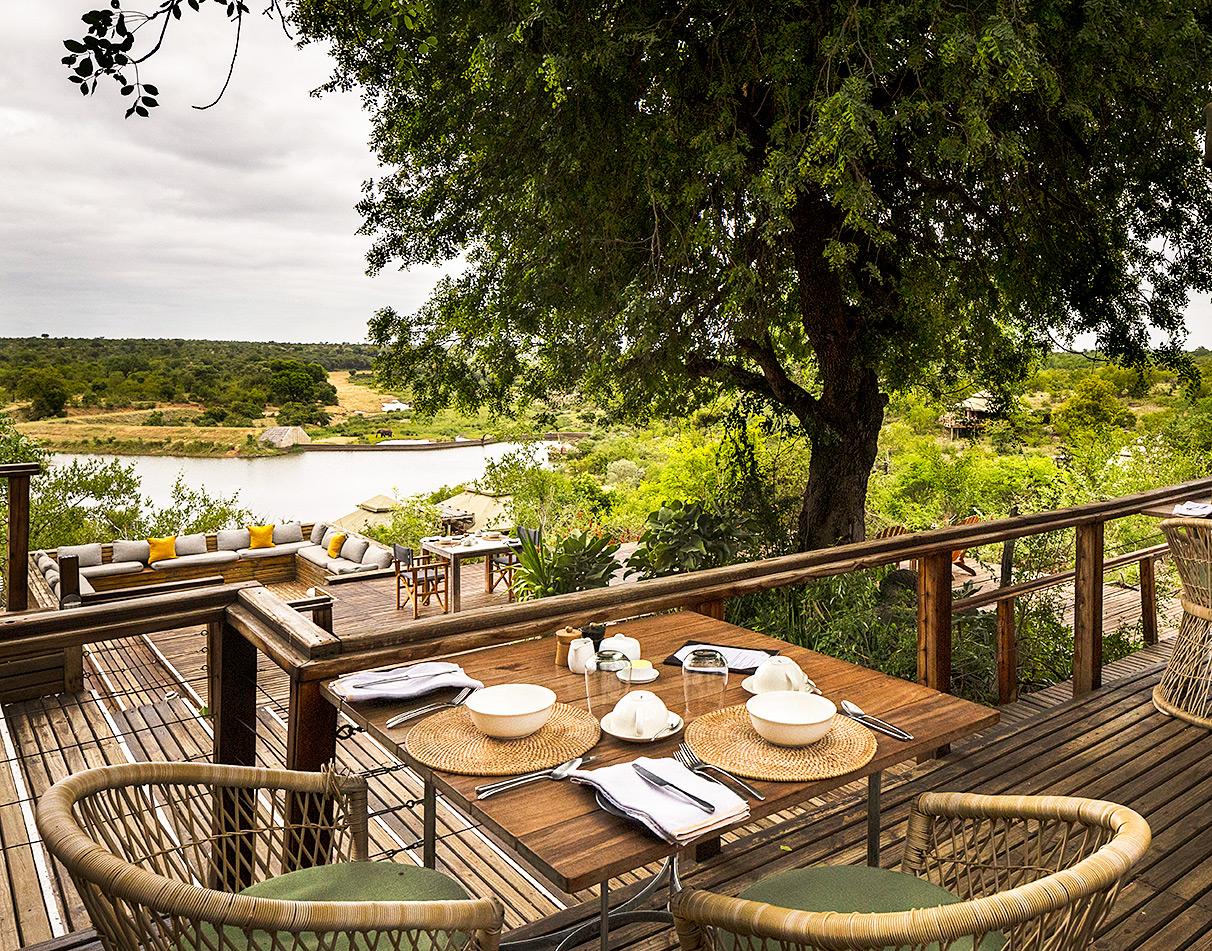
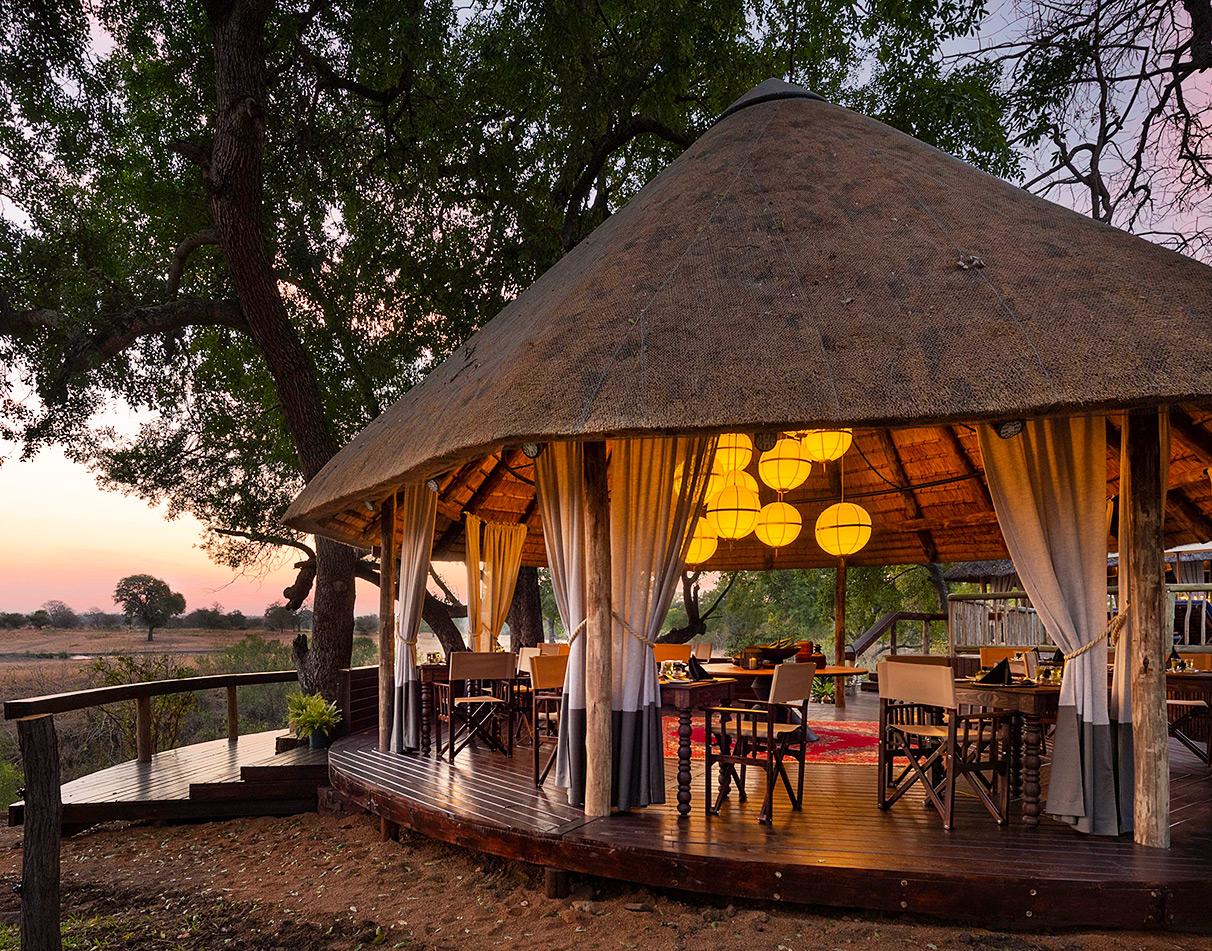
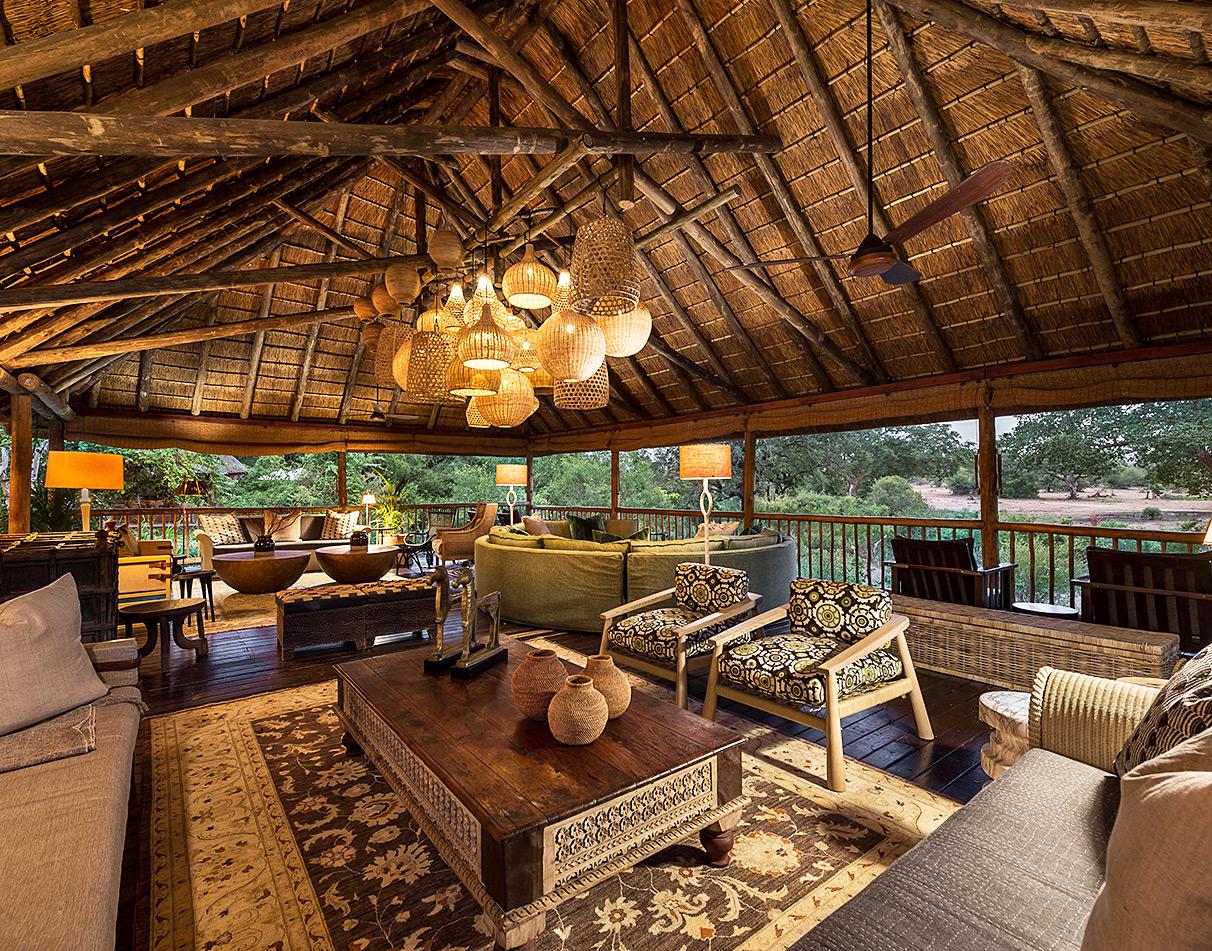
Where to stay in and near Timbavati Game Reserve
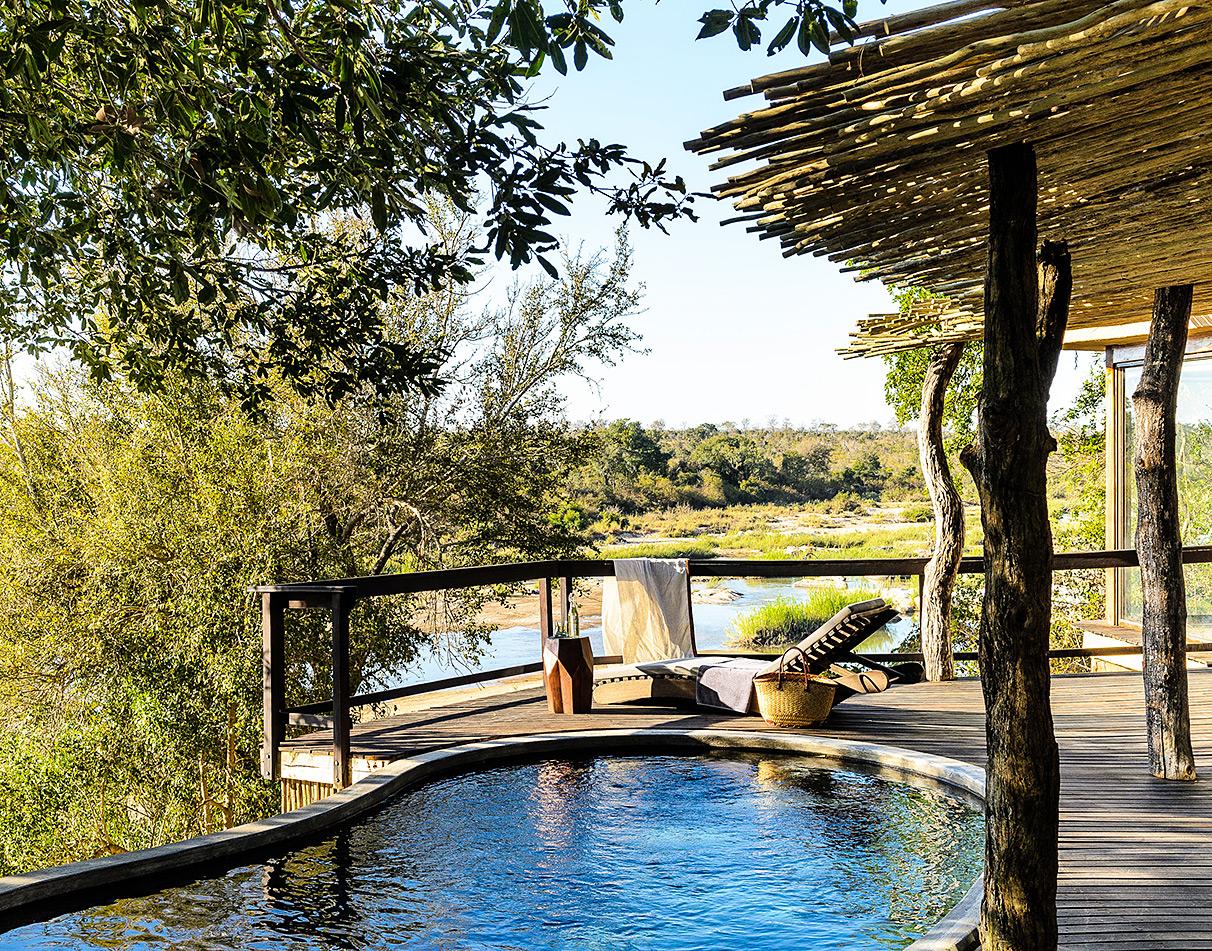
Locations and distances
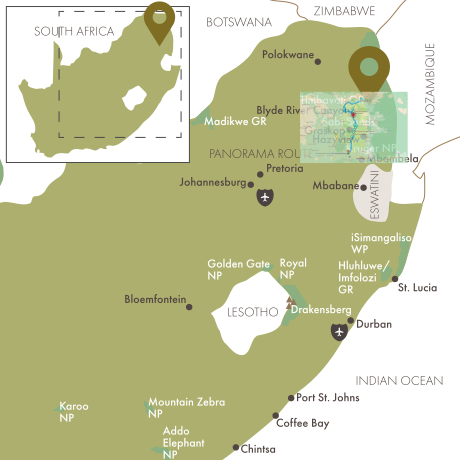
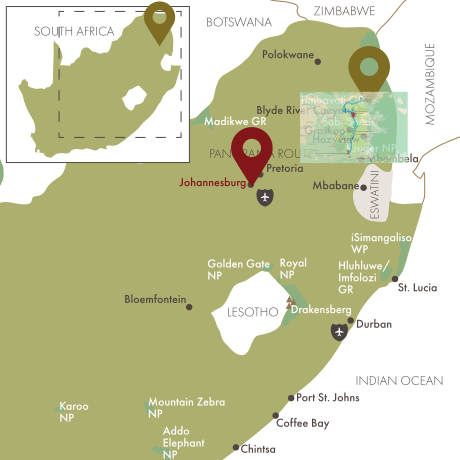
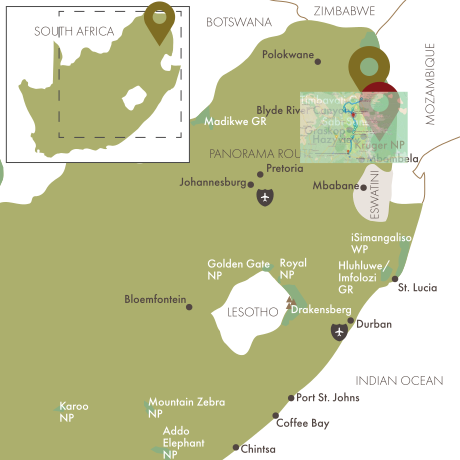
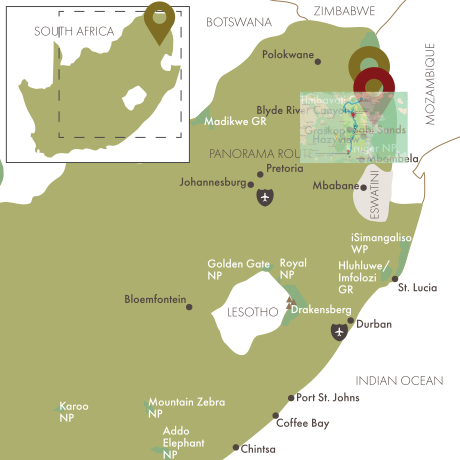
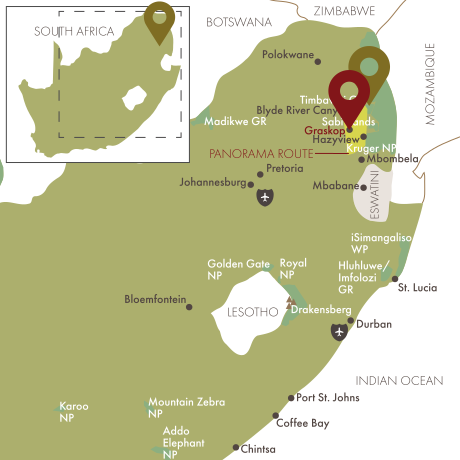
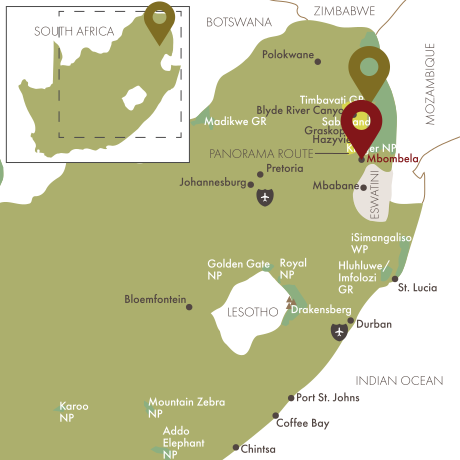
The Timbavati Nature Reserve is located in Limpopo Province, sharing an unfenced border with the Kruger National Park.
For international arrivals, Johannesburg’s OR Tambo is the nearest international airport.
Visitors can opt to catch a connecting flight to Hoedspruit’s Eastgate Airport, where transfers to the respective lodges are available, as well as car hire. Alternately, fly to Kruger Mpumalanga Airport or Phalaborwa Airport.
These airports are serviced from major centres like Durban, Gqeberha and Cape Town.
By road from Johannesburg, the 500-kilometre drive takes 6 to 7 hours, depending on the route. Be sure to check the Reserve Gate Times, as late arrivals may not be permitted entry.
- Timbavati Game Reserve (Simbavati River Lodge)
- Johannesburg (International Airport) 490 km | 7 hours by road
- Kruger National Park (Skukuza) 155 km | 4 hours by road
- Sabi Sands (Shaw's Gate) 170 km | 3.5 hours by road
- Panorama Route (Graskop) 145 km | 3 hours by road
- Mbombela / Nelspruit 200 km | 4 hours by road

Experience South Africa with us
Speak to one of our local advisors
x
Let's start planning your trip!
We will get back to you within 2 working days.