 on Google


Kruger National Park
Size
19,623 km2 (7,576 sq mi)
Founded
1926
Best time to visit
May to September (Dry season)
South Africa’s best-known wildlife destination
The jewel of South Africa’s conservation crown, the Kruger National Park, is a vast wilderness which attracts visitors from across the globe. With its roaring lions, trumpeting elephants, and endless African horizons it is ideal for both self-drive and guided experiences, the park ranks as one of the best in the world.
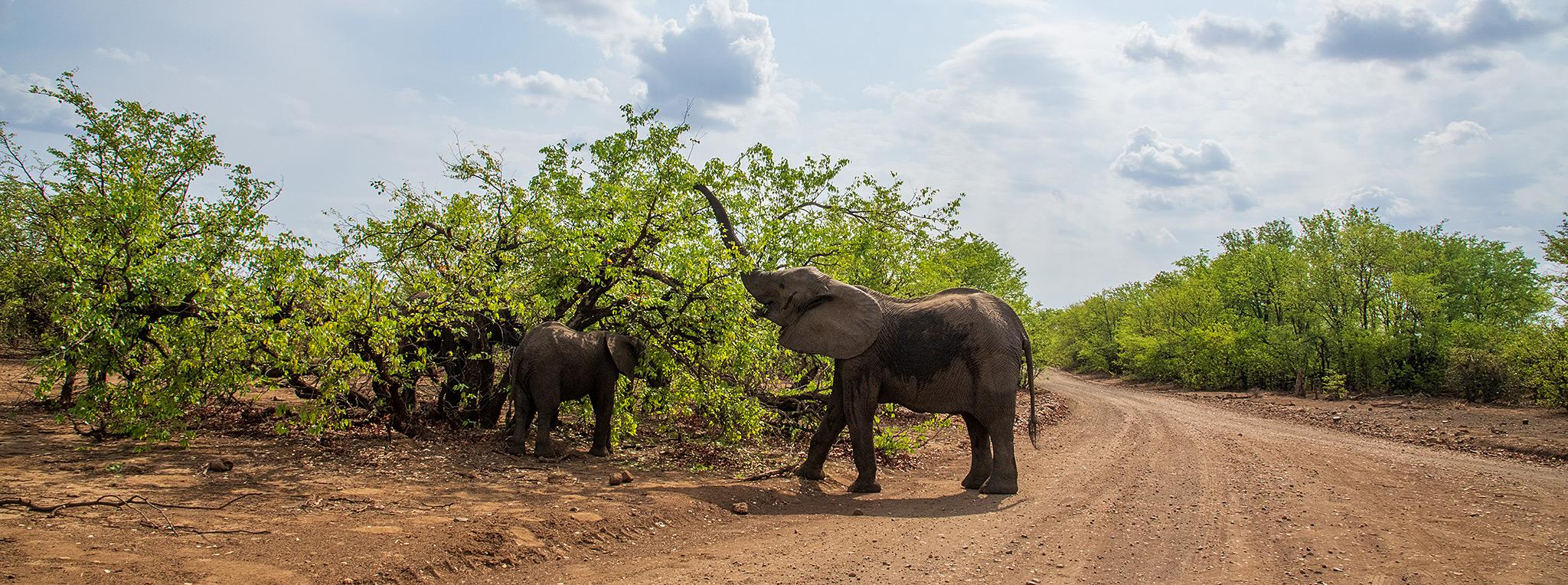
Kruger National Park: the world-renowned icon
Unquestionably, the number one wildlife destination for South Africans, the Kruger National Park is rated as one of the best of its kind on the African continent.
Here, visitors can enjoy affordable access to an expansive wilderness where creatures great and small thrive, while enjoying all the benefits of a well-run tourist attraction.
Kruger National Park animals and scenery
Home to the Big 5 – lion, leopard, elephant, rhino and buffalo – the park boasts an incredible diversity of life: 147 mammal species, 507 bird species, 114 reptile species, and 336 tree species.
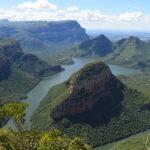
The park is scenically stunning. In the far north, fever tree forests give way to the warm shades of mopane thickets.
In the centre, golden grasslands sway beneath flat-topped acacias, while in the south, the rolling hills are punctuated by granite outcrops.
And, meandering between these varied habitats, numerous rivers are flanked by towering riparian woods.
Complementing these visuals is a dawn-to-dusk chorus of birdsong, alarm calls and territorial pronouncements.
One cannot help but be enthralled by the vibrancy of life as it stimulates the senses.
Kruger National Park activities
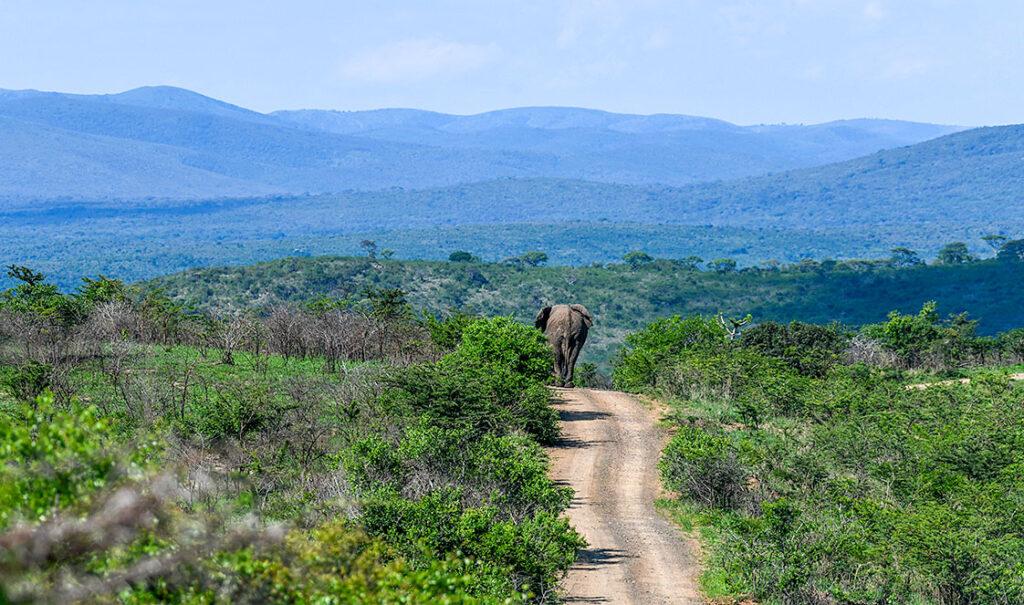
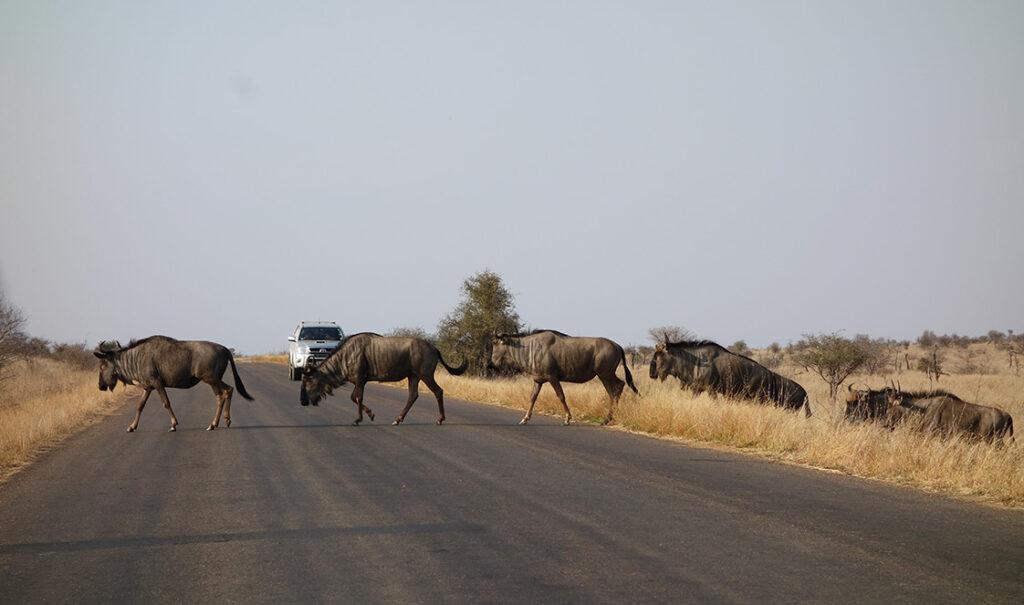
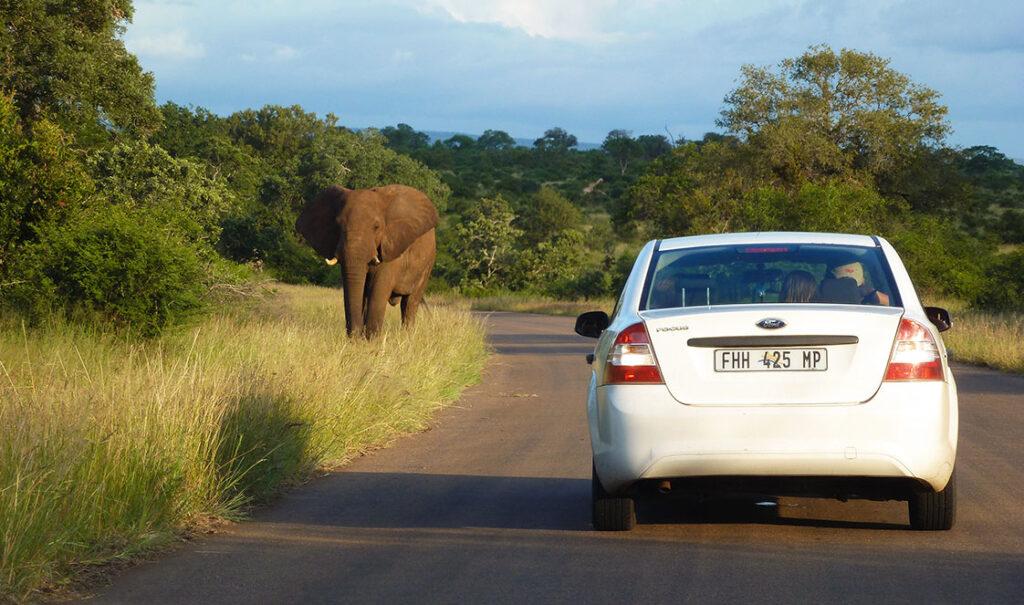
There are numerous ways to explore this ecological Eden. Most visitors do self-drive safaris, utilising a well-maintained network of signposted tar and gravel roads.
Along the various routes, there are numerous viewpoints and picnic sites where visitors can stretch their legs and savour the soulful silence.
Those wanting a more informative experience can join guided game drives, operated by private safari companies. There are also 4×4 trails exclusively for off-road driving enthusiasts.
We offer all options, no matter if it’s a self-drive or guided experience you are after. Just get in touch with one of our experts and start planning your Kruger safari.
To truly immerse yourself in the environment, it is best to be on foot. For this, there are interpretative trails within the camps and guided walking safaris, organised by the lodges.
For those with specialist interests, the services of expert guides are readily available.
The park has several museums, places of interest and information centres, where visitors can learn more about the park’s conservation victories, history and cultural heritage.
There is even an 18-hole golf course, where the water hazards must be taken seriously.
Accommodation in and around Kruger National Park
As one of the country’s leading attractions, you can expect an excellent selection of accommodation options, both within and near the park.
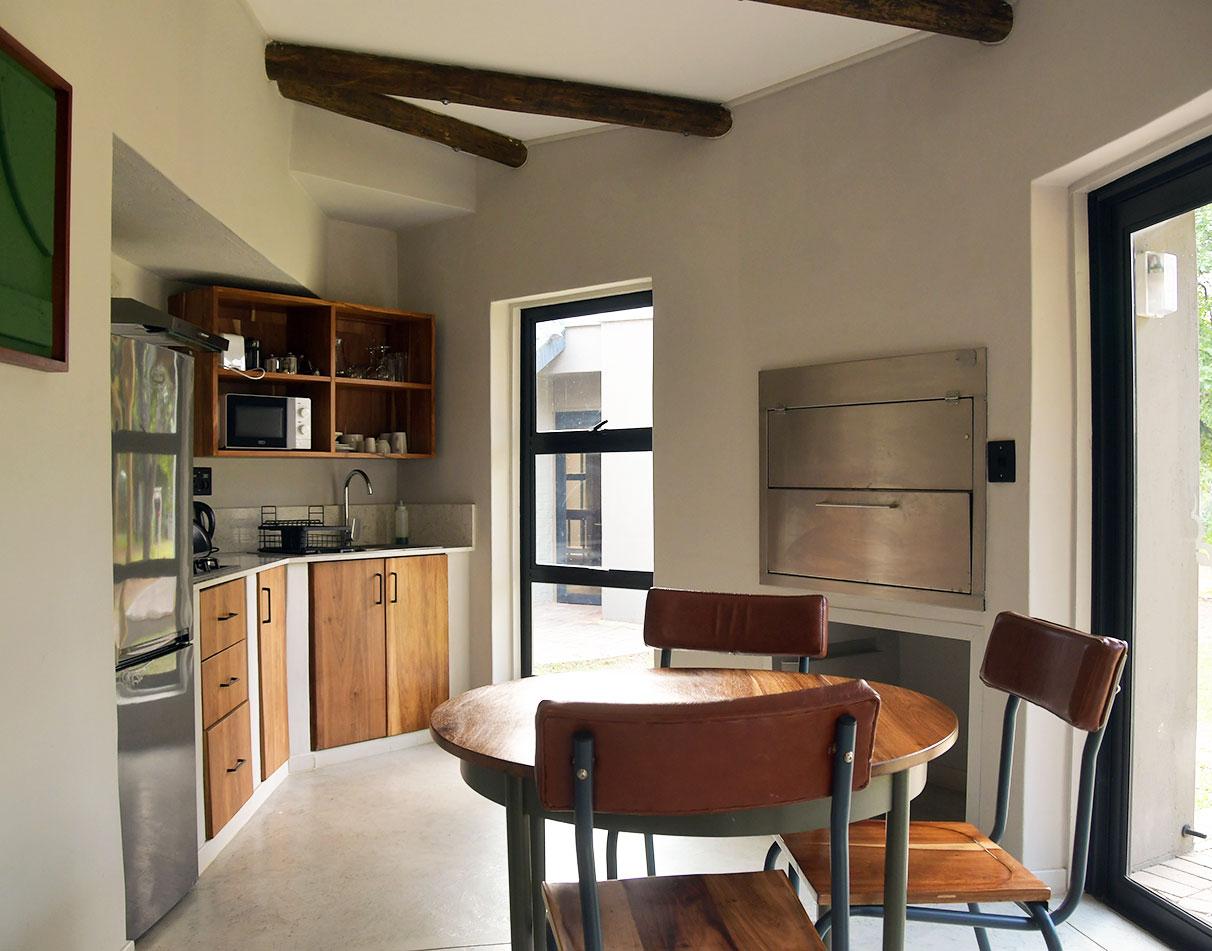
SANParks operates a variety of basic camps, some of which have restaurants, shops, petrol stations and laundry facilities.
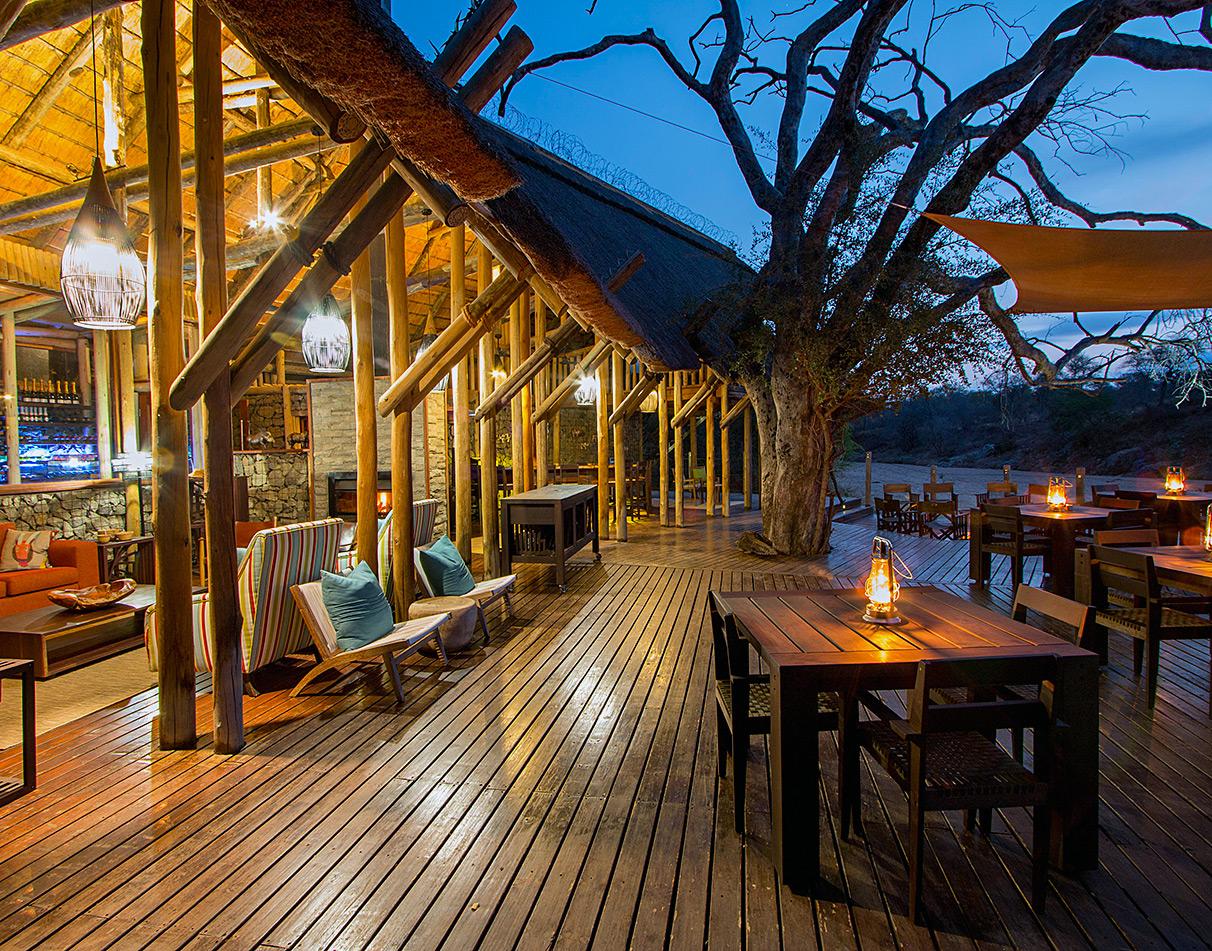
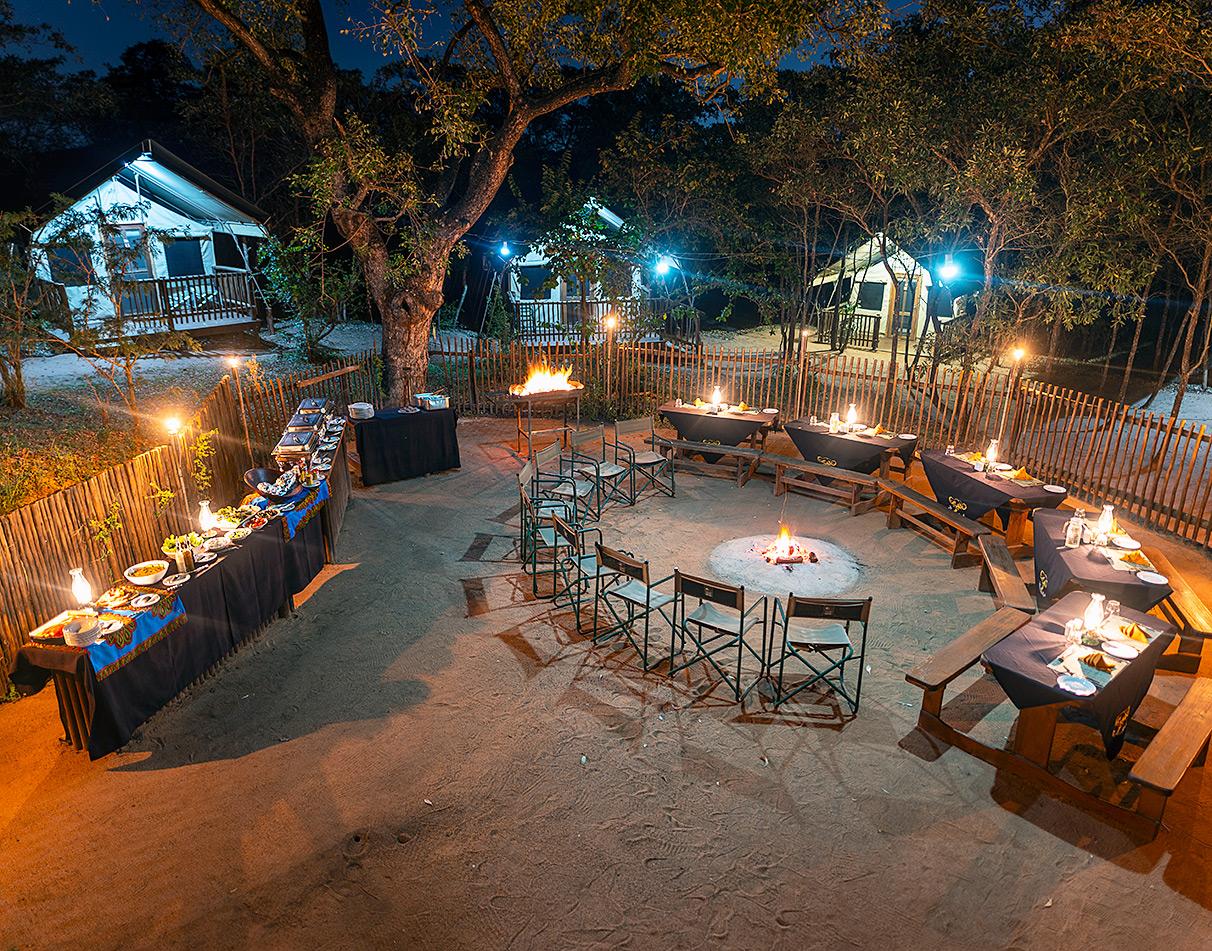
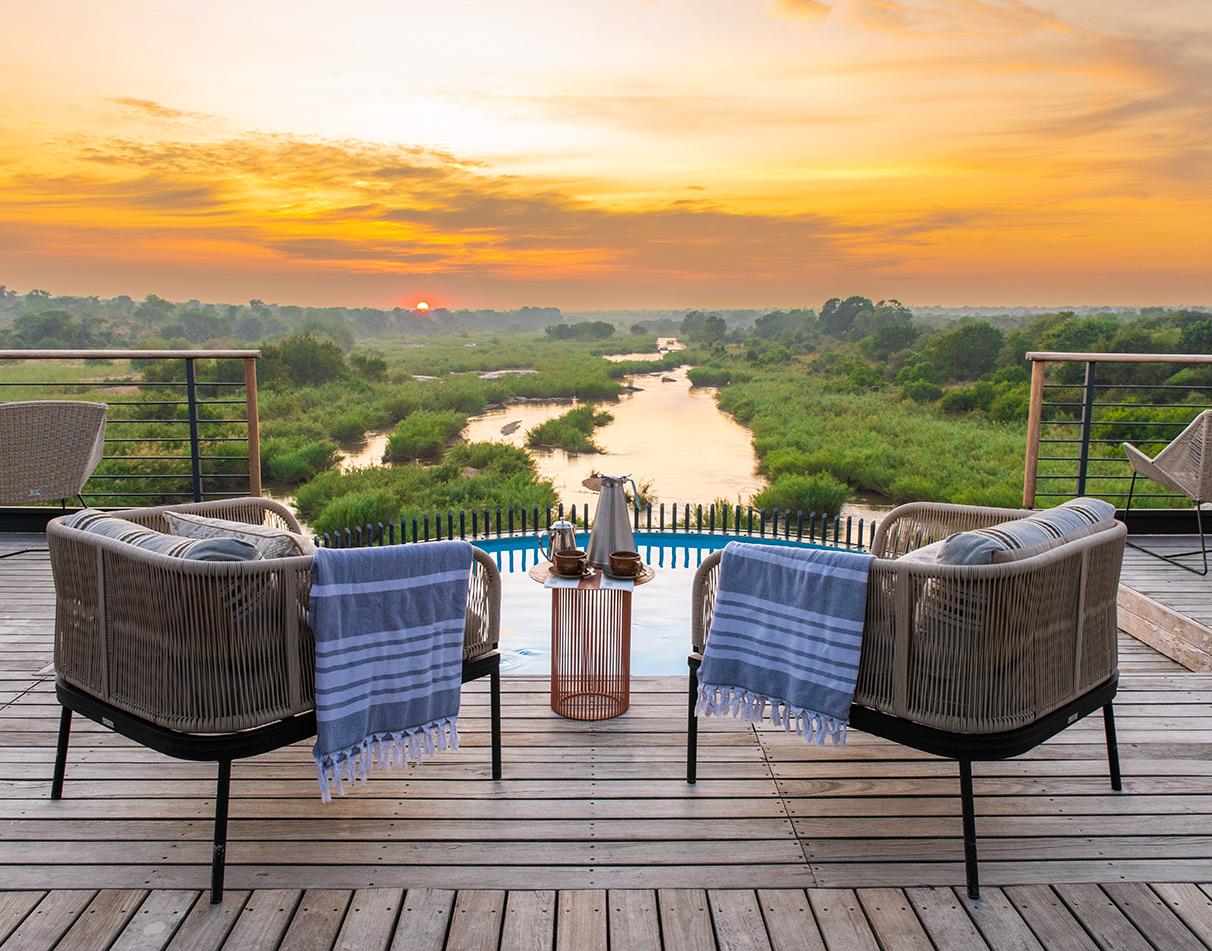
There are several private concessions within greater Kruger, each with a luxury game lodge offering world-class accommodations, cuisine and service.
Outside the park boundaries, a variety of lodgings are available, ranging from family-run guesthouses to internationally recognised hotels.
A brief history of Kruger National Park
The Kruger National Park is South Africa’s largest national park, spanning an area the size of Wales or the US state of New Jersey.
Established in 1898 and formally recognised in 1926, the park is a bastion for conservation and a leader in African conservation practices.
In the late 1990s, fences between the park and neighbouring private reserves led to the creation of the Greater Kruger Park.
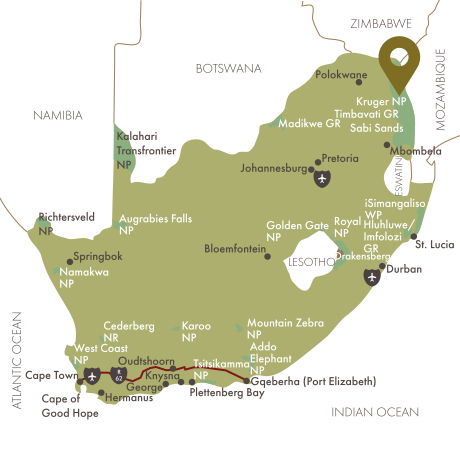
Then, in 2002, the contiguous conservation area was further enlarged with the creation of the Great Limpopo Transfrontier Park, with neighbouring Zimbabwe and Mozambique.
King-size Kruger
The park is one of the largest game reserves in Africa, covering 20000 km² of the 35000 km² Great Limpopo Transfrontier Park.
Accessible adventure
The park is highly accessible, with 9 main gates, a 3000 km road network and air access from around the country.

Paradise for predators
Healthy populations of all large African carnivores roam the park, including lions, leopards, cheetahs, hyenas and African wild dogs.
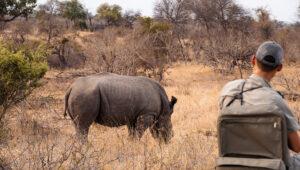
Your guide's knowledge of the bush is what makes a safari — from tracking animals to bringing the sights and sounds of the bush to life.
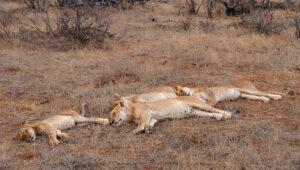
Lions spend most of the day resting — sightings like this are common in Kruger, where the park is home to one of the highest concentrations of lions in South Africa.
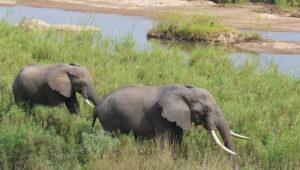
From elephants to lions, Kruger's riverbanks and waterholes draw wildlife in throughout the day to drink and cool off.
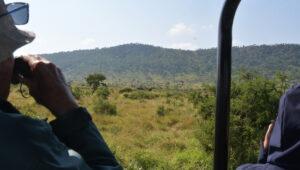
Head out on a game drive and experience the bush up close.
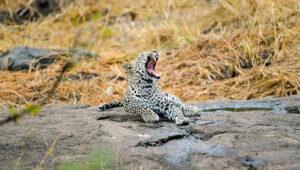
Keep a lookout for leopards resting in the shade or high in a tree.
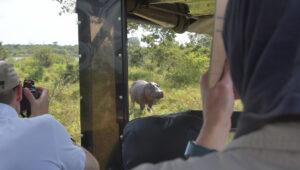
Hippos spend most of their day in water to stay cool and protect their skin from the sun, but are occasionally spotted on land during game drives.
WHEN TO GO
Best time to visit the Kruger National Park
Although a year-round destination, the best time to visit largely depends on your interests.
For wildlife viewing, visit in winter (May to September) when wildlife gathers near to water and sparse vegetation makes spotting easier.
This coincides with the peak season, and the park can feel crowded at times. The weather is mild to cold overnight, with little rain.
For birdwatching and the chance to see baby animals, visit in summer (November to March). Although less crowded, the weather can be hot and humid, with occasional showers and thunderstorms.

Dry Season
May to SeptemberIdeal for wildlife viewing.
Rainy Season
October to AprilBest for birdwatching.
Experience a safari in Kruger National Park
Small Group Lodge Tour
Fascinating South Africa
Places Pretoria, Drakensberg Mountains, iSimangaliso Wetland Park, St. Lucia Estuary, Hluhluwe-iMfolozi Park, Pongola Game Reserve, Swaziland, Kruger National Park, Garden Route, Cape Peninsula, Cape Town
20 Days
from getting current exchange rate... per person sharing
Small Group Lodge Tour
Jewels of the North & East
Places Pretoria, Drakensberg Mountains, Clarens, Golden Gate National Park, St Lucia, iSimangaliso Wetland Park, Hluhluwe-iMfolozi Park, Pongola Game Reserve, Swaziland, Kruger National Park, Panorama Route
13 days
from getting current exchange rate... per person sharing
Private Self-Drive Tour
South Africa’s North & East Coast
Places Drakensberg Mountains, Durban, St. Lucia, iSimangaliso Wetland Park, Hluhluwe-iMfolozi Game Reserve, Kosi Bay, Eswatini, Kruger National Park, Panorama Route
18 Days
from getting current exchange rate... per person sharing
Private Self-Drive Tour
South Africa Highlights
Places Pretoria, Hazyview, Kruger National Park, Eswatini, St Lucia, Durban Umdloti, Oyster Bay, Knysna, Oudtshoorn, Hermanus, Stellenbosch, Cape Town
21 Days
from getting current exchange rate... per person sharing
Why to go
Authentic, accessible Africa
Kruger National Park delivers one of Africa’s best-known and accessible wildlife experiences.
Along with an incredible diversity of fauna, flora and habitats, it is home to the legendary Big 5, as well as cheetahs and wild dogs.
For birders, over 500 species have been recorded. Visitors have a choice of accommodations, ranging from camping to self-catering chalets and luxury lodges.
The park is easy to explore by vehicle, using an expansive network of scenic roads. For a more immersive experience, guided game drives and walking safaris are available.
The park is wildly popular, attracting everyone from solo adventurers to families with young children.
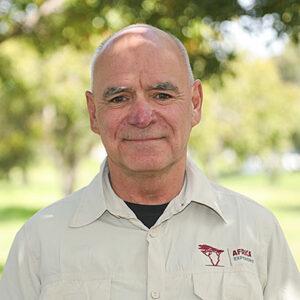
“A safari in Kruger is full of surprises. One of my favourite memories was stopping for coffee at sunrise and suddenly hearing lions roaring nearby.”Steve | South Africa Experience Guide

Self-drive & guided game drives
Explore Kruger on a self-drive or guided safari.

Guided walking safaris
Discover the bush on foot with expert guides.

Wilderness & 4×4 trails
Explore remote areas of wilderness and 4×4 trails.

Birdwatching
Kruger is home to over 500 bird species.
Things to do
Explore, experience, enjoy Kruger
Most visitors choose to explore the park at their own pace, using the extensive road network for self-drive safaris.
Alternatively, you can book a guided experience on foot or in an open game viewing vehicle, in the company of a professional wildlife guide.
Photography and birdwatching are hugely popular across the park’s numerous habitats.
- Self-drive safari
- Guided game drive
- Guided walking safari
- Wilderness and 4×4 trails
- Birdwatching
- Photography

Lion
Kruger is one of Africa’s classic Big Five safari destinations.
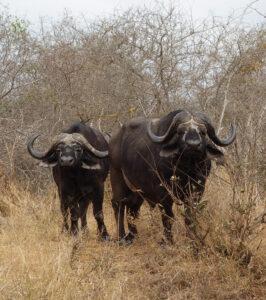
Buffalo
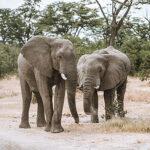
Large herds of buffalo and elephants roam the park.

Crocodiles
Rivers and waterholes are home to hippos and crocodiles.

Wild dogs
Kruger also protects endangered cheetahs and African wild dogs.

Reptiles
The park supports a huge variety of birds, reptiles, insects and plants.
WILDLIFE IN KRUGER NATIONAL PARK
This semi-arid reserve is home to unique fauna and flora
Wildlife densities are generally low, but you can see four out of the Big Five, except for rhinos. The reserve has an array of birdlife, including the near-threatened Williams’s lark.
However, the defining characteristic of the park is the stunning landscapes with unique vegetation, with doum palms being the most iconic.
Wildlife highlights not mentioned already include:
- Cheetah
- Spotted hyena
- Jackals, Bat-eared foxes
- Aardvarks
- Lesser and Greater Kudu
- Impala and Grant’s gazelle
- Vulturine guineafowl
- White-bellied bustard
- Martial eagle, Hunter’s sunbird
Where to stay in Kruger National Park
Locations and distances
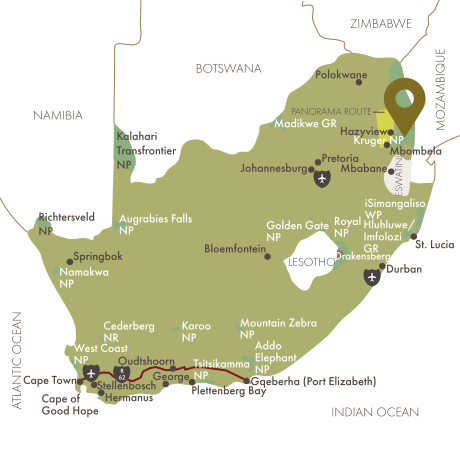
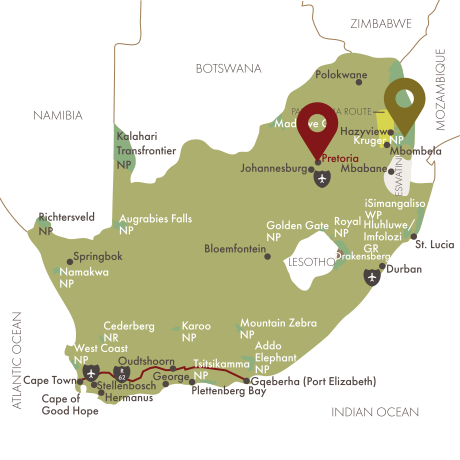
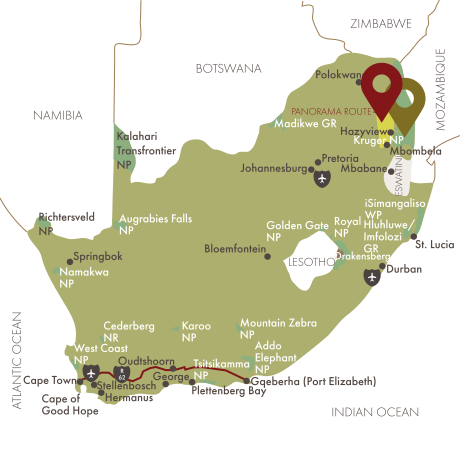
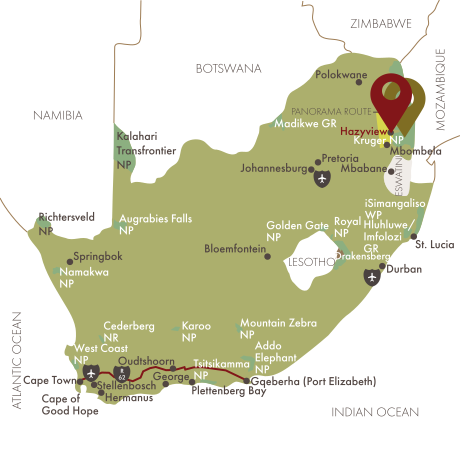
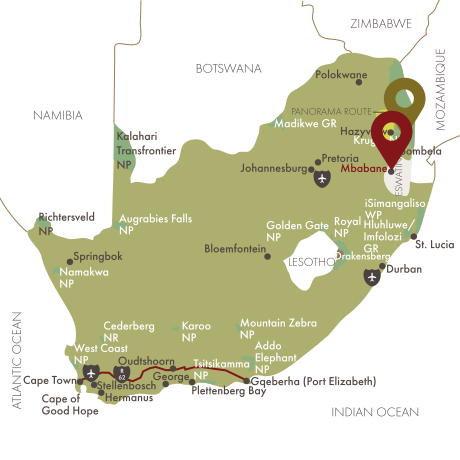
Kruger National Park is situated in South Africa’s far northeast, straddling the provinces of Limpopo and Mpumalanga along the Mozambican border.
Skukuza Airport lies within the park itself and is serviced from Johannesburg and Cape Town, making it ideal for international arrivals.
Outside the park, the Kruger Mpumalanga International Airport is serviced from Johannesburg, Durban and Cape Town, as well as Livingstone (Zambia) and Vilanculos (Mozambique).
Both Phalaborwa and Hoedspruit Eastgate Airport receive regular flights from major centres around the country.
By road from Johannesburg’s OR Tambo International Airport, the nearest park entry gate can be reached within 4.5 hours by travelling along the N4 highway (and toll route).

Experience South Africa with us
Speak to one of our local advisors
x
Let's start planning your trip!
We will get back to you within 2 working days.