Different types of walking safaris
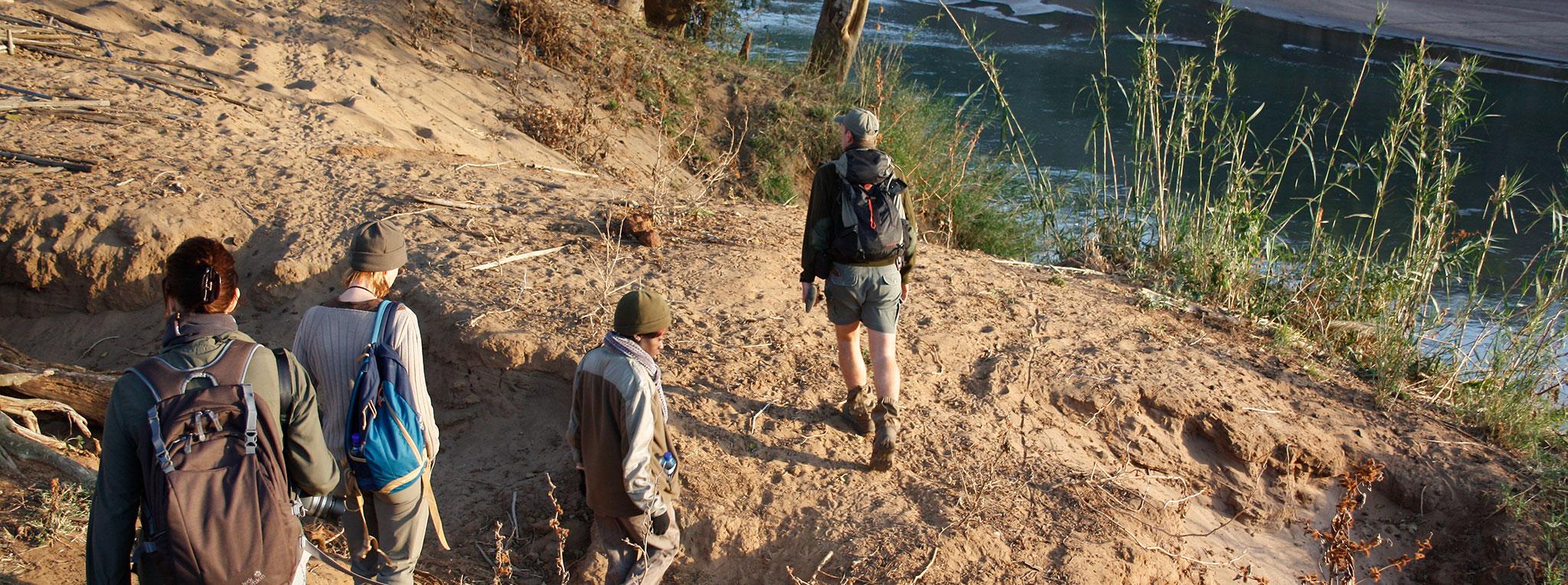
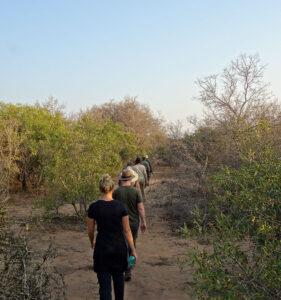
We offer two types of walking safaris in South Africa: either short bush walks or multi-day trails where guides determine each day’s route.
For both types of walking safaris, it is recommended that you wear comfortable, sturdy, closed shoes and neutral-coloured clothing. Binoculars and cameras are recommended.
Bush walks
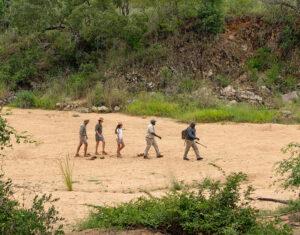
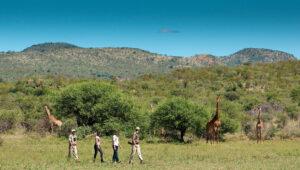
These are gentle one- to three-hour nature walks, taken at a relaxed pace in the company of experienced guides – and, depending on the area, sometimes accompanied by a ranger for added safety.
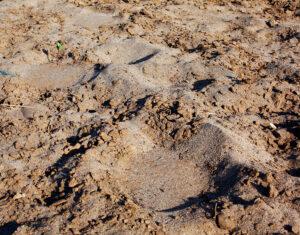
In most national parks, like Kruger, walks are done in the cooler morning and afternoon hours, lasting up to three hours. During the walk, guides share their knowledge, focusing on plants, tracks and birds.
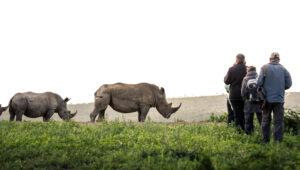
If big game is in the area, your guide keeps a wide buffer and may adjust the route to avoid contact, focusing instead on tracks, plants, and smaller wildlife. Children under 12 may not participate.
In private reserves, bush walks are offered as an alternative to game drives and sometimes as a post-breakfast activity. The walks follow a similar format to those conducted in national parks; however, each lodge has its own minimum age requirement.
Multi-day trails
4 to 8 participants are based at a remote, rustic bush camp from which they explore the surrounding wilderness over two to five days. All meals are provided, but beverages are not.
Camps have no electricity or connectivity, and devices are not allowed. Flush toilets and gas-heated showers are provided. Minimum age limits apply.
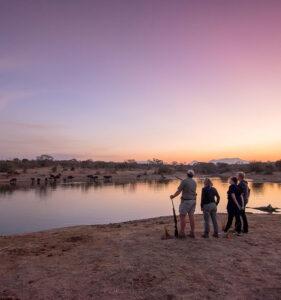
Typically, participants join their two guides on early morning and late afternoon walks, similar in practice to bush walks. The walking distance per day is up to about 20 kilometres.
Private guided hiking tour
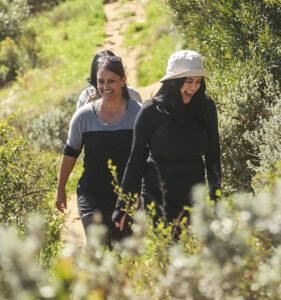
Our private guided hiking tour is an inclusive adventure, taking participants to a variety of scenic walking destinations in the Drakensberg Mountains.
This is not a walking safari per se, but rather a rewarding hiking experience designed for active adventurers who enjoy dramatic landscapes, rich biodiversity, and the chance to explore South Africa’s mountains at a comfortable pace with expert guidance.
What to see on a walking safari in South Africa
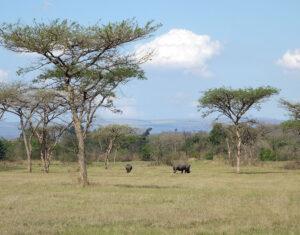
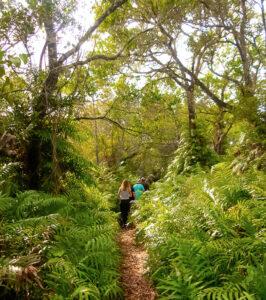
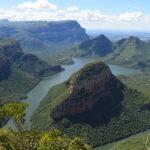
At all destinations, you can expect to see stunning wilderness landscapes, from the towering peaks of the Drakensberg to the expansive wetlands of iSimangaliso and the scenic mixed woodlands of Kruger and northern KwaZulu-Natal.
National parks & private reserves are generally well-populated with general game species, from antelope to giraffes, and over 500 species of birds.
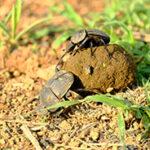
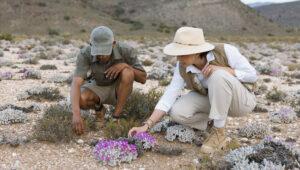
For the most part, however, guides focus on explaining the medicinal uses of plants, discovering insect species, pointing out various animal tracks and teaching local folklore.
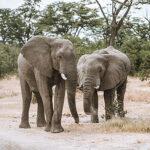
In the unlikely event that Big Five species are present in the area, guides will deliberately avoid close encounters while on foot with guests.
Although the idea of tracking a lion, elephant, or buffalo may sound thrilling, the reality can be dangerous. For the safety of both visitors and wildlife, these situations are treated with caution and a wide berth.
How to plan a walking safari in South Africa
Bush walks are offered at lodges in the various private game reserves and can be booked at a national park.
For multi-day treks and private guided hiking tours, we team with established partners to provide the experience. There are numerous considerations, but we can guide you through this process in an obligation-free discussion with one of our South Africa experts.
Before we discuss your plans, please give some thought to the following:
- When and with whom would you like to go on a walking safari?
- Budget?
- Other highlights you’d like to include?
With that information, we’ll take it on ourselves to curate an unforgettable walking safari vacation.
Whichever option you choose, our experienced team is on hand to do all the heavy lifting, meaning all you have to do is arrive and enjoy.
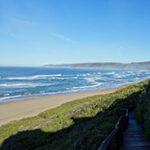
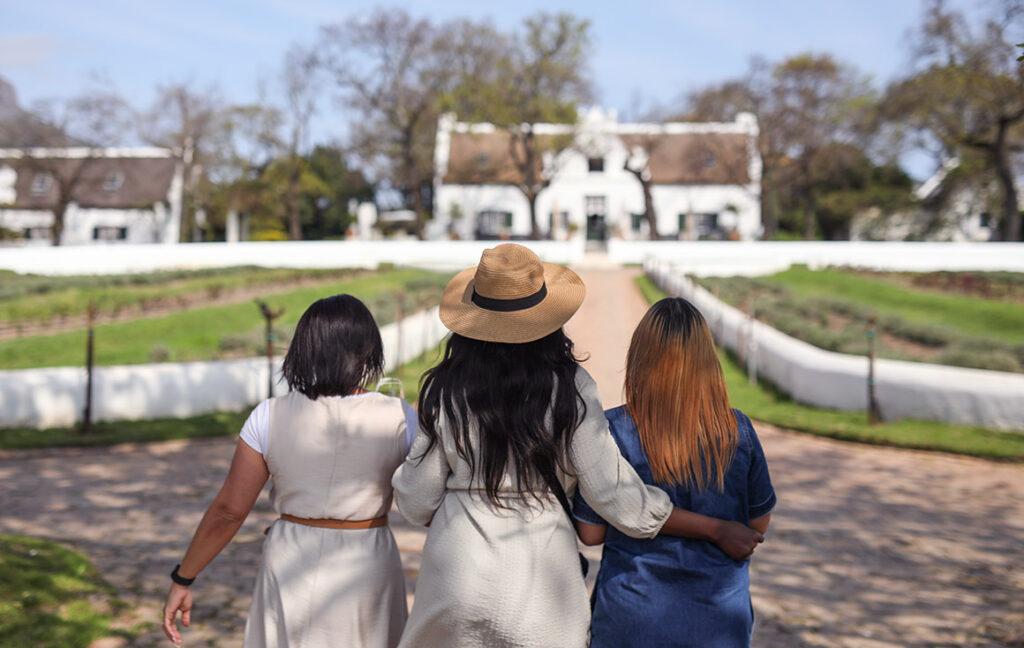
Remember, you can easily combine your walking safari with other South African attractions, like its magnificent beaches and wine country. You can add a walking safari to our self-drive tours or private guided tours.
 on Google