 on Google


Best time to visit South Africa
South Africa is a year-round destination, though the best time to visit depends on what you’d like to do.
The seasons are opposite to those in the northern hemisphere: summer runs from October to March and is generally warm to hot, while winter lasts from May to September and brings noticeably cooler weather.
The peak holiday season coincides with local summer (December to February), when the weather is warmest and driest in many regions. However, winter is the best time for safari, as the dry conditions and sparse vegetation make wildlife easier to spot.
Cape Town is more appealing in the local summer, since its winters are cool and often wet.
In the end, both the dry and rainy seasons have their advantages. The right time to visit depends on your budget, and whether you’re seeking wildlife encounters, city experiences, or time by the sea.
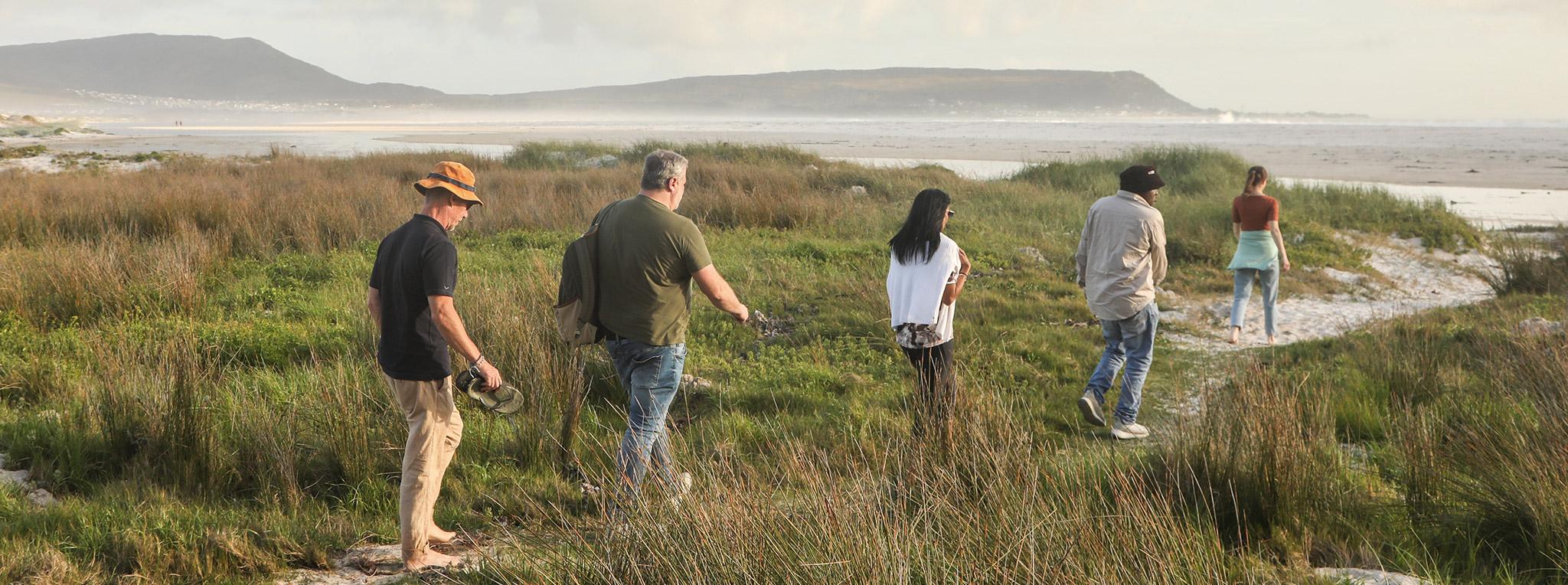
THE BEST TIME TO VISIT SOUTH AFRICA BY SEASON
When is the high season?
South Africa’ peak tourism season occurs during the summer months from December to February, which coincide with the long local school holidays and festive season.
During this period, popular destinations such as Cape Town, the Garden Route, and other coastal locations are at their busiest, with warm temperatures perfect for beach holidays and many outdoor activities.
Wildlife destinations, such as the Kruger National Park, also experience an increase in visitors, although game viewing can be more challenging due to rainfall and lush vegetation.
The high season is a bustling, energetic time to travel, with busy attractions, festivals and a joyous holiday atmosphere. However, it also equates to higher prices for accommodations and flights, with advance bookings essential to secure your choice of accommodation and activities.
For those who enjoy great weather, lively crowds and a general buzz of excitement, South Africa’s high season is the ideal time to visit.
When is the low season?
South Africa’s tourism low season falls between May and August, which is winter in the Southern Hemisphere.
At this time, visitor numbers decrease, creating a quieter, more relaxed atmosphere at some destinations. Cape Town and surroundings experience cool and rainy conditions.
However, winter (May to October) sees reduced rates for accommodations and flights, making a visit at this time excellent value for money.
Winter also marks the arrival of migratory whales along the South African coast.
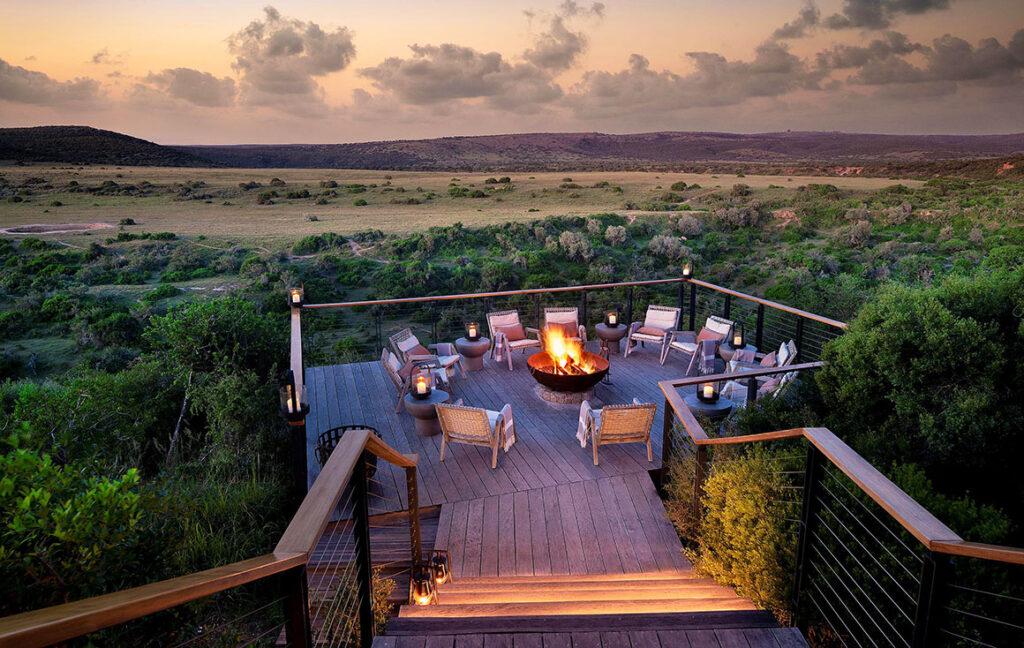
Many consider the low season the best time to go on safari. For the majority of wildlife destinations, including Kruger National Park, iSimangaliso Wetland Park and Addo Elephant National Park, this is the dry season.
Sparse vegetation and wildlife concentrated near water equate to easier game viewing. However, cool morning and evening temperatures make warm clothing essential for game drives.
Sometimes called the ‘Secret Season’, with fewer crowds, lower prices and great safaris, it is a fantastic time to visit South Africa.
When is the dry season?
For most of South Africa, the dry season typically extends from May to September, coinciding with the cooler winter months.
For Cape Town and much of the Western Cape, the dry season runs from November to March (Summer), with warm to hot conditions prevailing. This is peak season for beach vacations.
For popular wildlife destinations like the Kruger National Park and Hluhluwe-iMfolosi Park, the dry season is especially popular. Despite overlapping with South Africa’s low season, it does promise exceptional game viewing.
Water becomes scarce, causing wildlife to congregate wherever it is available. Additionally, wildlife is easier to spot in sparse vegetation.
While daytime temperatures are comfortable, early mornings and overnight temperatures can be cold, particularly in the interior and low-lying areas, like the Kruger National Park.
As such, warm clothing is essential for game drives. Rain is scarce, and the risk of malaria in affected areas is at its lowest.
When is the rainy season?
Across most of South Africa, the rainy season falls mainly in the summer months, from November to March. Temperatures throughout the day are generally warm to very hot. It seldom rains throughout the day, so one can still enjoy a fantastic beach vacation.
At this time, short but occasionally dramatic storms may occur, leaving the landscape lush and vibrant. Game viewing can be challenging as wildlife is more dispersed, and lush vegetation makes spotting animals tricky.
However, you can look forward to verdant landscapes, prolific birdlife and the presence of baby animals.
Cape Town and its surroundings experience rainfall in the winter months, from April to September. During this time, frequent cold fronts move up the coastline, bringing with them prolonged rainfall.
For gorgeous green landscapes, cultural festivals and a lively holiday atmosphere over much of the country, the summer rainy season (December-Febuary) is still a great time to visit South Africa.
THE BEST TIME TO GO TO SOUTH AFRICA BY REGION
Kruger National Park
The best time to visit the Kruger National Park is during the dry season, between May and September. During these cooler winter months, the vegetation thins out and wildlife tends to concentrate around available water sources.
This creates some of the best game viewing conditions in Africa. With typically clear skies and daytime temperatures ranging between 18°C and 26°C (64°F and 79°F), it is ideal for photography and extended game drives.
Although morning and evening game drives can be chilly, the absence of rain means a reduced malaria risk, making this an appealing time for international travellers, especially those with young children.
On the other hand, the rainy season from November to March brings green scenery and newborn animals.
Also, for birders, the arrival of migratory species means that the skies are alive with numerous species in spectacular breeding plumage. However, the wildlife is more dispersed and the risk of malaria increases.
Cape Town
Summer, from November to March, is the best time to visit Cape Town. At this time, warm, dry weather means the conditions are perfect for the beach, outdoor dining and exploring the city’s attractions, like Table Mountain and the nearby Cape Winelands.
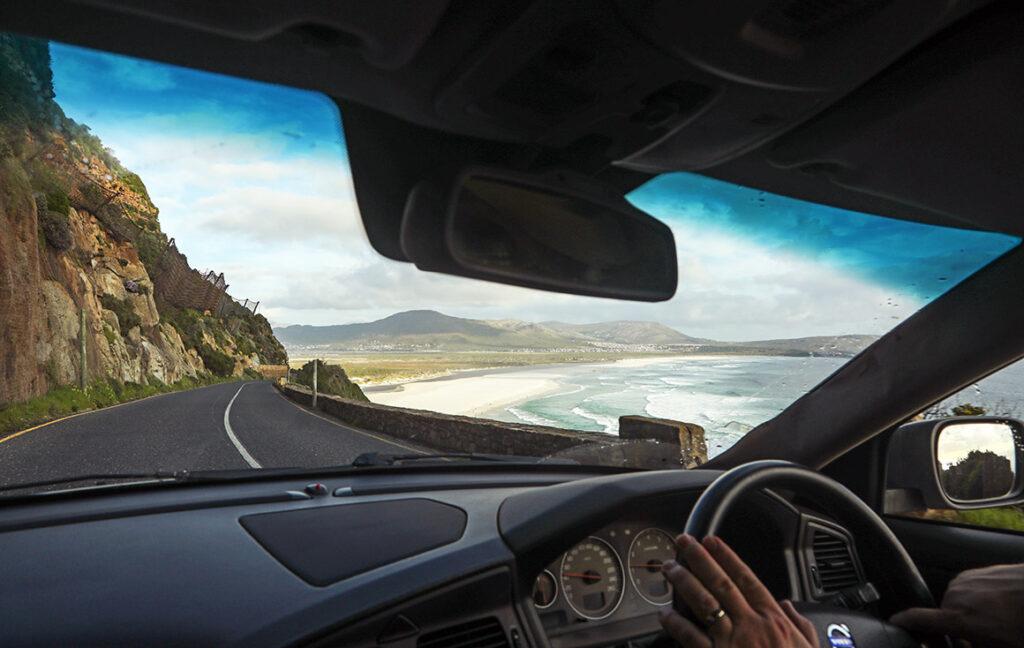
During this period, temperatures range between 20°C and 30°C (68°F to 86°F), with long, clear days suited to sightseeing and coastal road trips.
As this is also peak season for tourism, you can expect lively crowds and premium prices for both accommodation and activities.
If you would prefer to visit at a quieter time, consider visiting in the spring shoulder season (September through October) or in autumn (April through May). The weather is not as hot, but the attractions, from beaches to activities, are less busy and some specials may be on offer.
The world’s favourite city has something to offer throughout the year, but for pure beach energy, the summer season is best.
The Garden Route & Addo Elephant Park
The best time to visit the Garden Route and Addo Elephant National Park is from September to April. At this time, the weather in South Africa is generally warm and pleasant.
Along the Garden Route, temperatures range between 20°C and 28°C (68°F to 82°F), making it ideal for the beach, forest hikes and watersports.
Spring (September to November) sees the landscape in bloom, while the coastal towns buzz over the long, sunny days of summer (December to March).
From June to November, the Garden Route coast sees the arrival of migratory whales, with excellent whale watching on offer in Knysna and Plettenberg Bay.
Just east of the Garden Route, Addo Elephant National Park is a year-round destination, although some would argue that game viewing is best from June to September, but the difference is not as pronounced as in parks to the north.
Together, the Garden Route and Addo offer a great blend of beach and safari options throughout much of the year.
Hluhluwe-iMfolozi Park
The dry season from May to September is the best time to visit KwaZulu-Natal’s Hluhluwe-iMfolozi Park. Cooler days and sparse foliage make it easier to spot the park’s wildlife, especially its black and white rhinos.
With daily temperatures averaging between 18°C and 25°C (64°F and 77°F), it is ideal for game drives with only a slim chance of rain.
That said, the wetter summer months between October and March offer phenomenal bird watching, although thicker vegetation makes wildlife harder to spot.
Overall, winter offers reliable game viewing, while summer’s appeal is in the birdlife and luxuriant scenery.
iSimangaliso Wetland Park
The best time to visit iSimangaliso Wetland Park is between May and September, during the dry season.
The weather is warm and sunny, and one can experience excellent sightings of wildlife and birds around the lakes and wetlands. There are fewer mosquitoes at this time, but anti-malarial measures are recommended throughout the year.
The ocean remains fairly warm throughout the year.
During the rainy season from October to March, the park transforms into a tropical paradise, although it can get extremely hot and humid. This is the period when turtles come ashore to nest, and migrant bird species visit for the summer.
Drakensberg Mountains
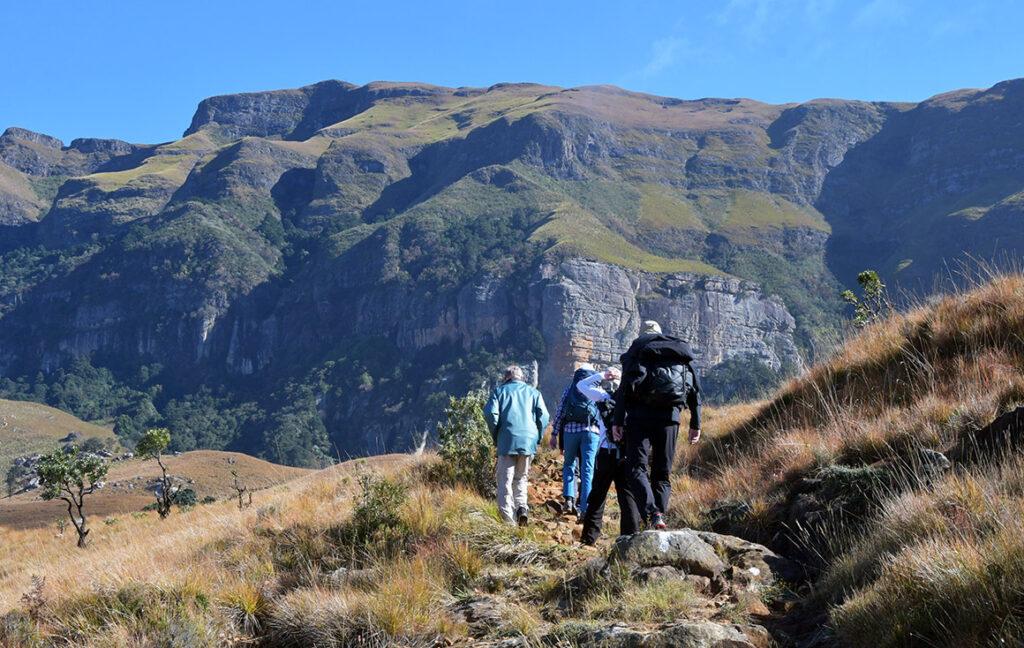
The Drakensberg Mountains are best visited in the warmer summer months from October to April. The region is lush, green and perfect for hiking.
There are, however, occasionally dramatic afternoon thunderstorms, but the mornings are generally clear, with temperatures ranging between 20°C and 30°C (68°F and 86°F) in the valleys, but cooler at higher altitudes.
In winter (May to August), you can expect crisp weather with clear skies and cooler temperatures. While the days are mild, nights can be very cold, with occasional snowfall at higher elevations. This is the ideal time for landscape photography.
THE BEST TIME TO VISIT SOUTH AFRICA BY ACTIVITY
Cape Town, Garden Route and Kruger National Park package tour
The best time to visit South Africa for a package tour that combines Cape Town, the Garden Route and Kruger National Park is during the spring shoulder season, from September to November.
This period offers warm, sunny South African weather in Cape Town, the Garden Route and the Kruger Park, suitable for a variety of outdoor activities, including whale watching, wine tasting and game viewing. It is especially scenic, as wildflowers bloom in the mountains.
Furthermore, it is a great time to visit the Kruger National Park. Depending on the onset of the summer rains, game viewing is typically very good. While water is scarce, wildlife is easier to spot near waterholes in the sparse landscape.
Should the rains come early, you can expect a flush of new growth, attracting wildlife onto the plains.
Finally, by visiting out of the peak season, you can look forward to fewer other people and lower prices. All in all, a great balance!

Hiking
The best time to go hiking in South Africa depends on the region. Overall, spring (September to November) and autumn (March to May) offer the most comfortable hiking conditions.
At these times, the daytime temperatures are mild, with mostly clear skies. Spring is scenically better, with budding flora in the Drakensberg and Cape mountain ranges. While hikes are seldom crowded, they are quieter in autumn.
Although trails can be hot and busy in summer (December to February), hiking is also popular in the Western Cape. Adequate sun protection and hydration are essential.
In the Drakensberg, afternoon storms make early starts essential. Winter (June to August) sees cool to freezing conditions, especially at altitude. Intermittent light snowfall is possible at the higher elevations of all high-lying areas, particularly the Drakensberg.
To balance comfort, scenery and safety, the shoulder seasons during spring and autumn stand out, with the possibility of lower prices on flights and accommodation.
Beach Holiday
Generally, the best time to visit South Africa for a beach holiday is during the summer months (November to March), when the weather is hot and sunny.
For the most part, South Africa’s coastal regions see temperatures ranging from 20°C to 30°C (68°F and 86°F), during this time. Ideal for relaxing in the sun, swimming and enjoying the bustling seaside towns and resorts dotted along the country’s 2,500-kilometre coastline.
The only major variations are water temperature, which remains chilly around Cape Town and the west coast, and rainfall.
While the Western Cape is generally dry, the Eastern Cape and KwaZulu-Natal get most of their rain at this time, although it shouldn’t unduly impact your vacation.
December-Febuary is peak tourism season, meaning that beaches along the entire coast can get busy, as is the case with all related tourist facilities, like restaurants and accommodations.
In KwaZulu-Natal, the subtropical climate and warm ocean currents make year-round beach vacations an option, with water temperatures seldom dropping below 20°C (68°F).

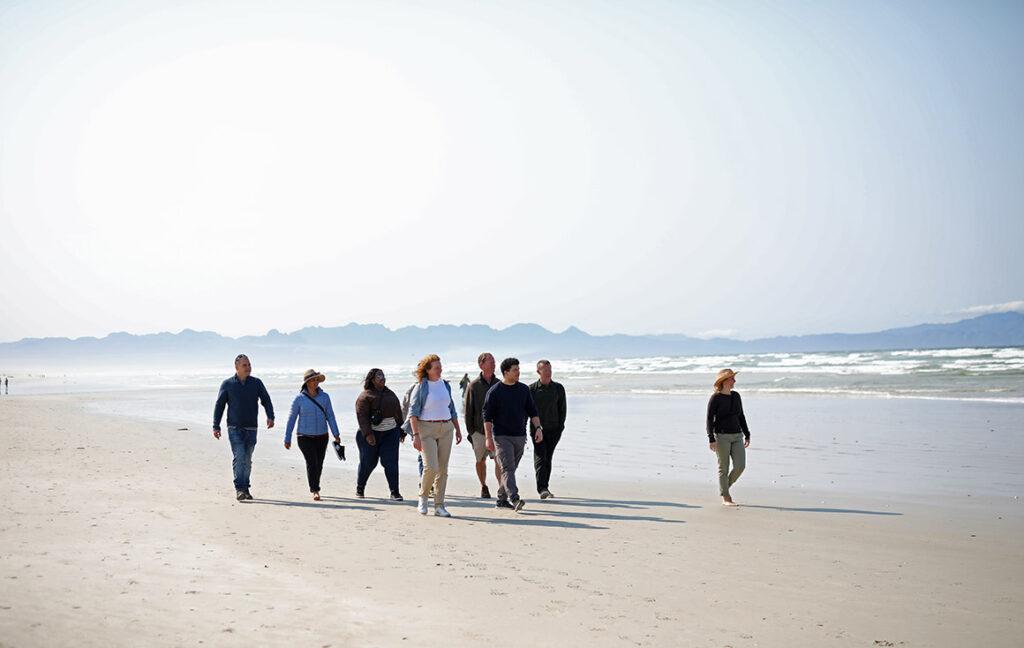


OUR EXPERT ADVICE
THE SHOULDER SEASON MAY JUST BE THE BEST TIME TO VISIT SOUTH AFRICA
South Africa’s shoulder seasons, in autumn (March to May) and spring (September to November), are excellent times to visit. Both periods offer generally warm, pleasant weather, with fewer crowds and lower prices, compared to the summer peak season.
Autumn brings crisp conditions and excellent game viewing in the national parks, while spring sees colourful landscapes and whale sightings along the Garden Route and Western Cape.
Neither too hot nor too cold, you’ll have your pick of activities, outstanding value for money, and a more relaxed experience overall.


Experience South Africa with us
Speak to one of our local advisors
x
Let's start planning your trip!
We will get back to you within 2 working days.