 on Google


Addo Elephant National Park
Size
1,640 km² (633 sq. mi)
Founded
1931
Best time to visit
January to December (All Year)
Haunt of the ghost elephants
Addo Elephant National Park is South Africa’s third-largest national park and is renowned as one of the best places to view elephants in the country. Recently expanded, the park boasts a wonderful array of habitats, including endemic fynbos, sub-tropical thickets and semi-arid shrublands. This diverse ecosystem is home to the Big 5, with an impressive bird checklist of over 400 species.
Addo Elephant National Park history and development
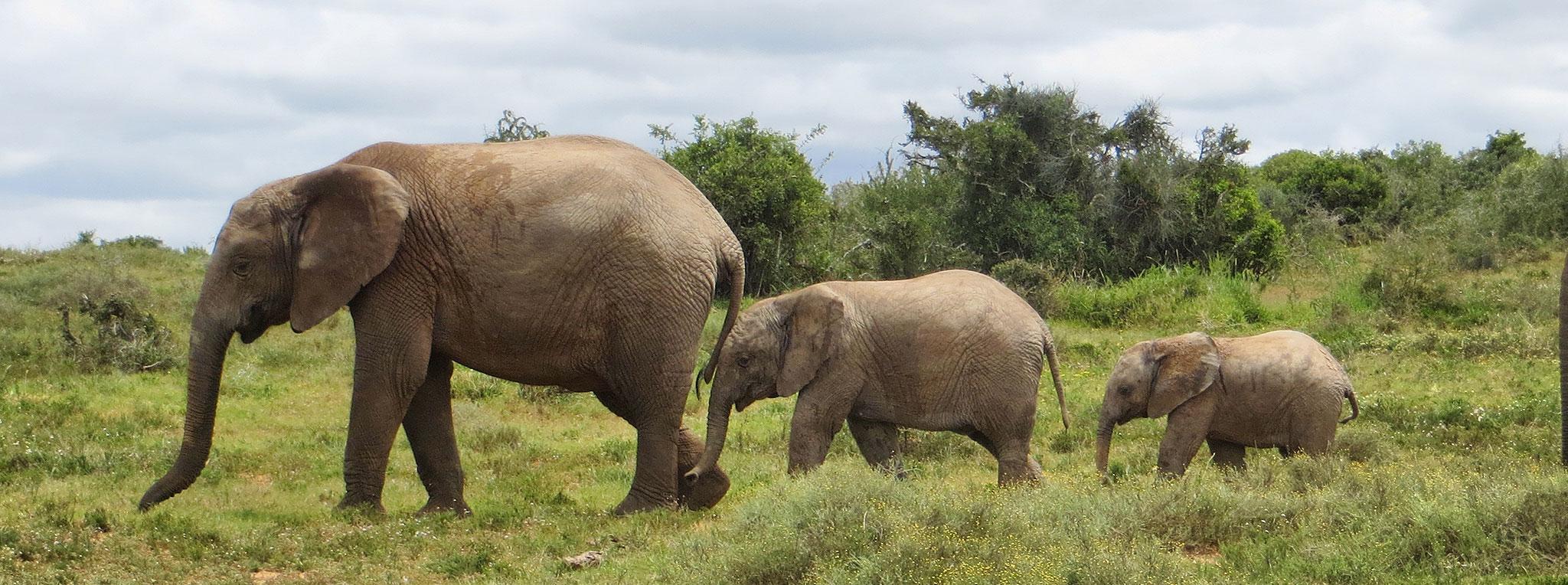
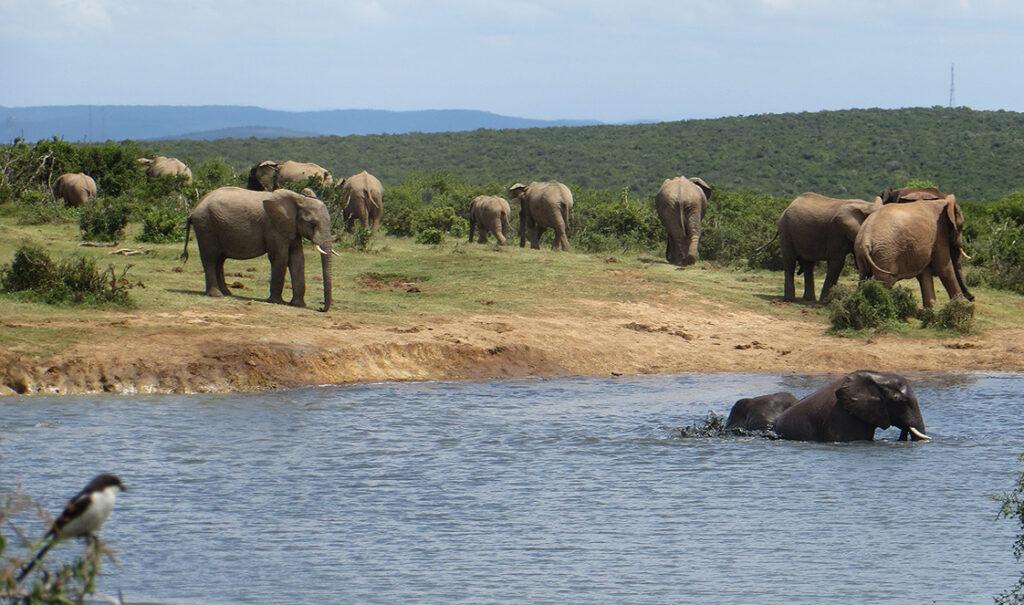
As its name suggests, the pride of Addo Elephant National Park is its population of roughly 600 elephants. Way back in 1931, authorities created the park to save the dwindling population from extinction. Since then, this malaria-free national park has expanded both in size and in the diversity of life it harbours.
Their mission has been a remarkable success. Since then, the ecology of Addo Elephant National Park has continued to benefit, both through the expansion of the park and by the reintroduction and conservation of key species.
Conservation successes of Addo Elephant National Park
Beyond saving the elephants, conservation successes include saving the endangered flightless dung beetle from extinction, the reintroduction of lions and spotted hyenas, and, with the incorporation of coastal and marine habitats, protecting important marine life.
With the addition of the coastal area, Addo Elephant National Park is the first in the world to protect both terrestrial and marine megafauna, including endangered Great White Sharks, Southern Right Whales and important nesting sites for endangered seabirds.
The phenomenal diversity of Addo Elephant National Park
There’s a lot more to the park than its famously pale ‘ghost elephants,’ nicknamed for the light dust they bathe in that gives them their ghostly look. Addo Elephant National Park spans five different biomes, from coastal dunes to fynbos, forest, and karoo scrub, so you’ll find an unusual mix of birds, animals, and plants all in one place.
Not only is the park renowned for its wildlife, but it is also rich in geological and fossil treasures. At various places, sedimentary rock formations rich in fossils reveal clues about the area’s prehistoric past, including sections previously submerged beneath the ocean.
The park lies in a semi-arid area with low to variable rainfall, averaging less than 450 mm (18 in) a year. With so much life to support, its water resources are critical. The Sundays River flows along the park’s northwestern boundary, while several tributaries crisscross the park’s landscape. The park’s natural springs are supplemented by boreholes with adjacent water holes to ensure an adequate water supply throughout the year.
Visiting Addo Elephant Park for a day or more
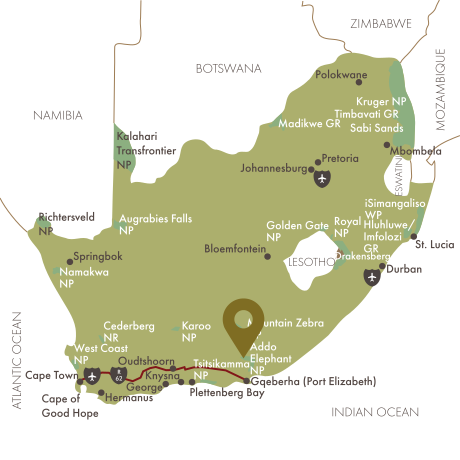
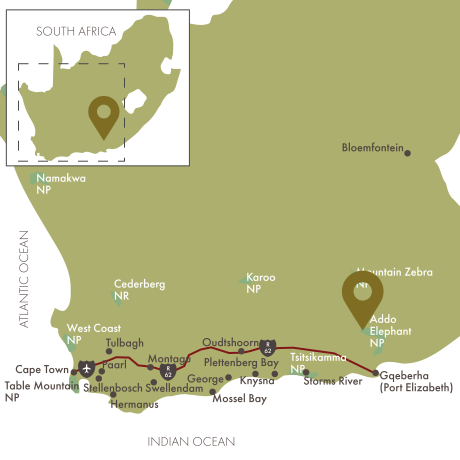
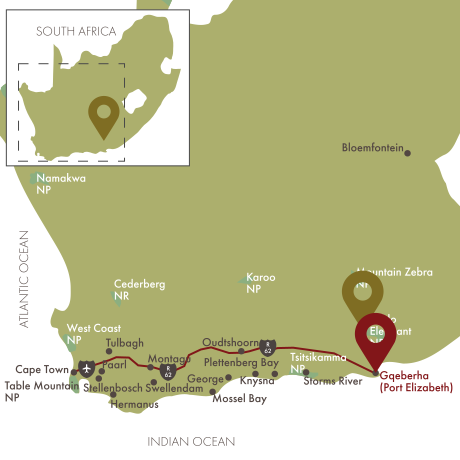
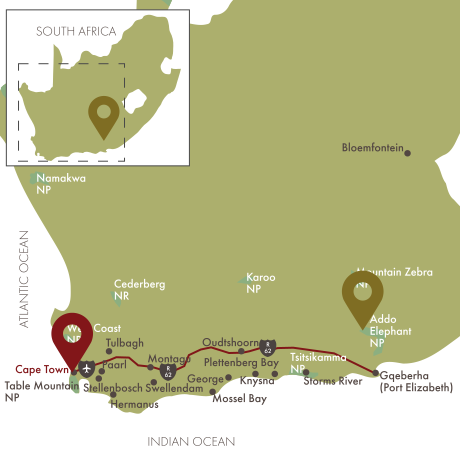
When entering Matyholweni Gate in the south, Addo Elephant National Park is an easy 38 kilometres from Gqeberha (Port Elizabeth), making it the ideal destination for both day tours and extended stays.
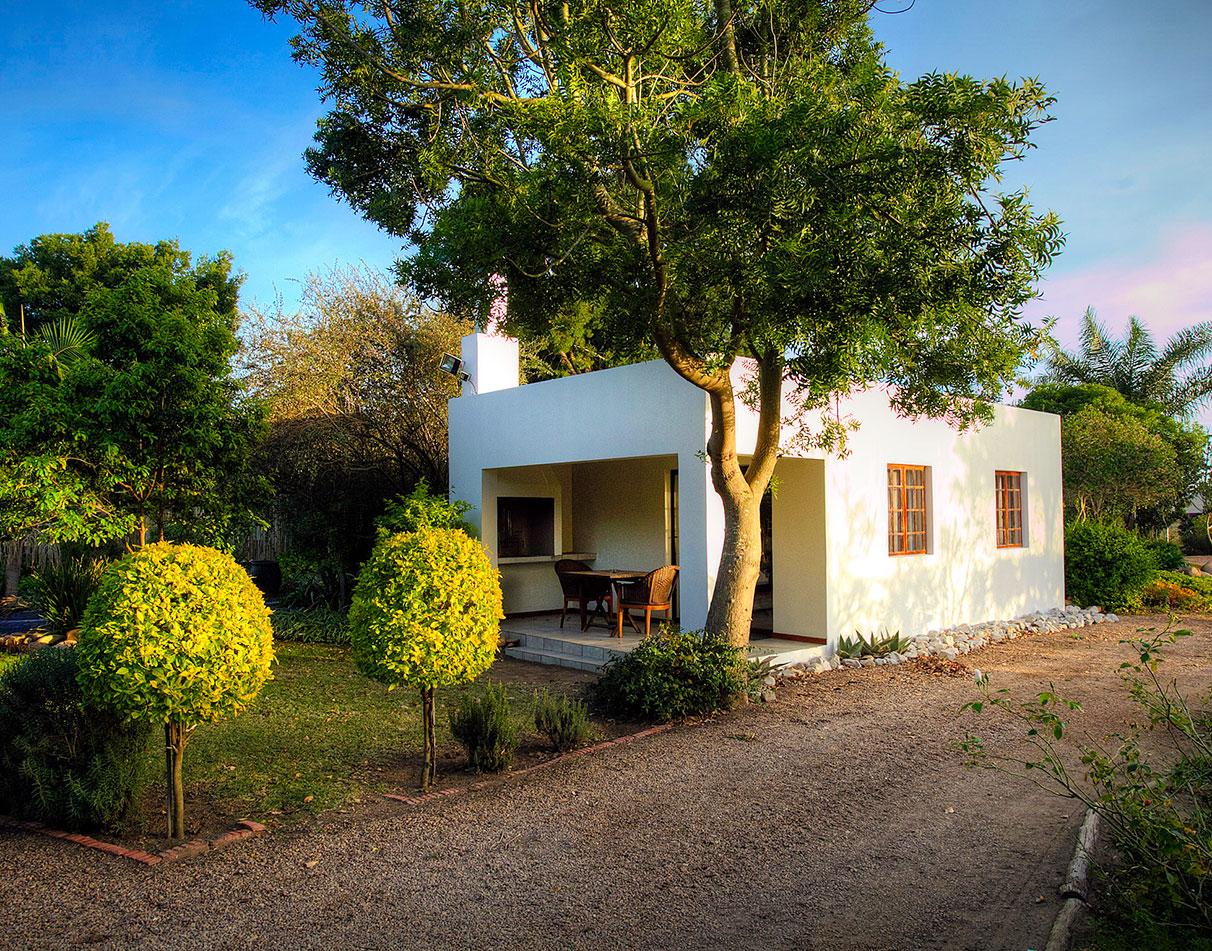
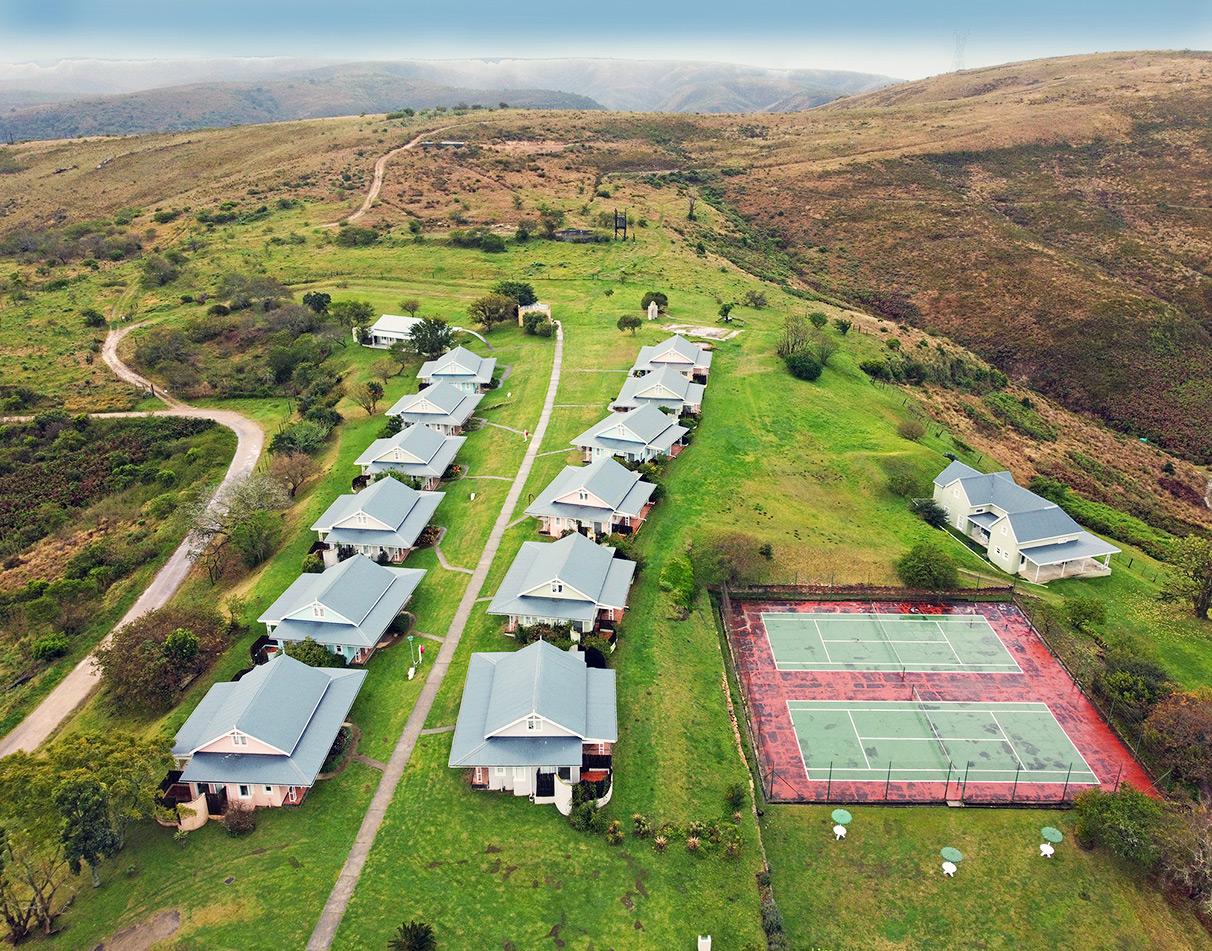
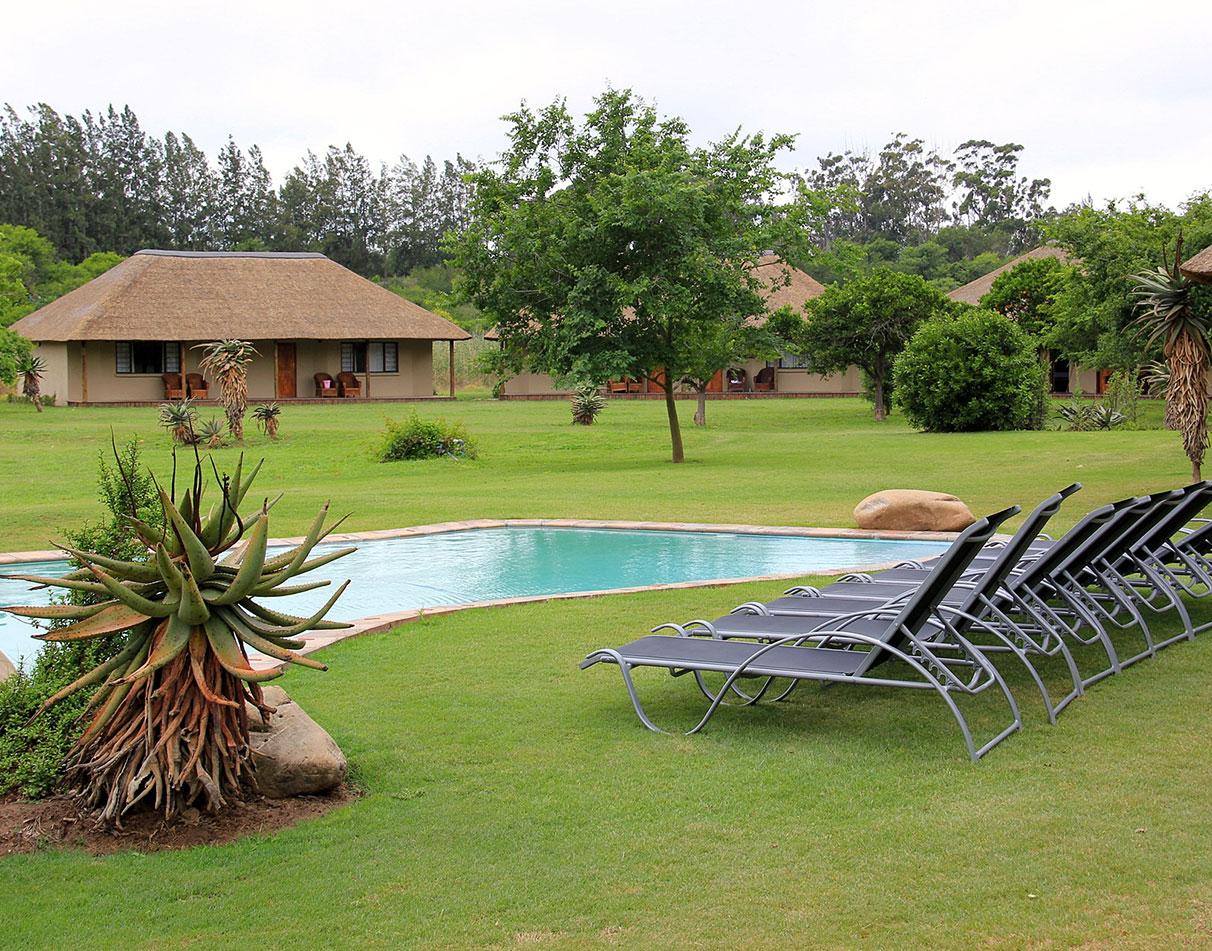
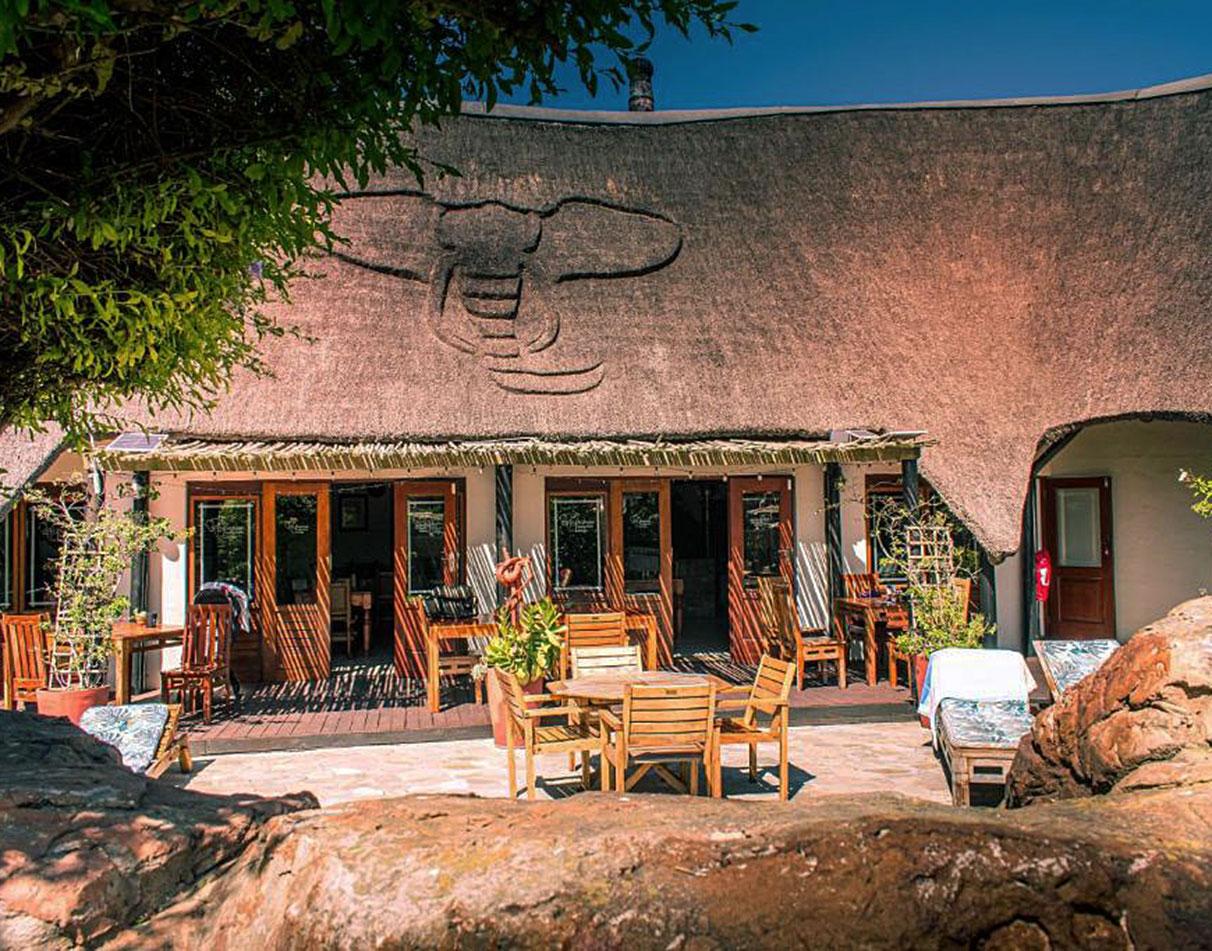
Addo Elephant National Park offers a wide range of accommodation. Depending on your budget, there are both camping and self-catering accommodations within Addo Elephant Park. There are also private luxury options within the park, as well as a pleasing variety of lodges and guest houses nearby.
Activities available within Addo Elephant National Park are as diverse as the area within. Addo self-drive safaris on a well-marked road network are the best way to explore the park at leisure.
Or, you can book Addo National Park safari tours (guided game drives) which are offered by park management and private safari operators like us. For the more adventurous, both horseback and hiking safaris are available.

Named after a poisonous plant
The word ‘addo’ is derived from the Khoisan language, and refers to a place where toxic euphorbia plants grow.

Small lion population
In 2003, lions were reintroduced. A small population of about 10 lions roam certain parts of the park.

South Africa’s only Big Seven National Park
Addo Elephant National Park is the only park boasting the Big 7: lion, leopard, elephant, buffalo, rhinoceros, whales and sharks.
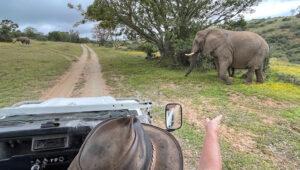
Explore Addo Elephant National Park on self-drive or guided safaris.

Addo is an accessible safari destination, popular for families.
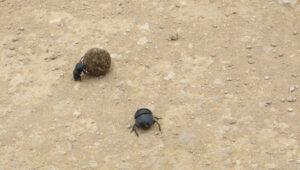
Addo protects the rare flightless dung beetle, one of the park’s unique conservation successes.

Around 600 elephants roam the park, making it one of the best places in South Africa to see them.

Based at AfriCamps, Addo Elephant Park is right on your doorstep - choose from a wide range of activities and make every day different.
WHEN TO GO
Best time to go to Addo Elephant National Park
Good quality game viewing in Addo Elephant National Park is possible throughout the year, however it is probably at its best from June to September when the park is at its driest.
At this time, the bush is less dense and wildlife tends to congregate near waterholes. However, since this coincides with winter, you can expect it to get quite cold overnight and warm clothing is essential for those camping and joining sunrise, sunset or night game drives.
The park’s high season runs from October to March, when it can get busy, particularly over school holidays.

Dry Season
June to SeptemberIdeal for wildlife viewing, horseback safaris, hiking.

Rainy Season
October to MayBest for birdwatching (migratory species November to April), wildlife viewing (baby animals).
Experience Addo Elephant National Park
Private Self-Drive Tour
South Africa and the Garden Route
Places Cape Town, the Garden Route, Tsitsikamma National Park, Addo Elephant National Park, Oudtshoorn, Cape Winelands
15 Days
from getting current exchange rate... per person sharing
Small Group Lodge Tour
South Africa – Experience the South
Places Cape Town, Cape Peninsula, Stellenbosch & Franchhoek, Hermanus, Oudtshoorn, Garden Route, Tsitsikamma National Park, Addo Elephant National Park
14 Days
from getting current exchange rate... per person sharing

Small Group Lodge Tour
The Garden Route & Cape Wonders
Places Wilderness, Knysna, Tsitsikamma National Park, Oudtshoorn, Hermanus, Betty’s Bay, Stellenbosch, Helderberg Mountain, Cape Peninsula, Cape Town
8 days
from getting current exchange rate... per person sharing
Why to go
For an authentic wildlife experience close to other coastal attractions
If you are visiting South Africa’s renowned coastal attractions, such as the scenic Garden Route, a visit to Addo Elephant National Park is within easy reach.
You could find yourself observing the Big 5 on a morning game drive, before heading out to sea with a permitted whale-watching operator in search of whales and other marine life.
Accessible throughout the year, you’ll be amazed at the sheer number of elephants present and then wonder where they went as they mysteriously disappear into the thickets. Besides the eponymous pachyderms, more than 90 mammal and over 400 bird species call the park home
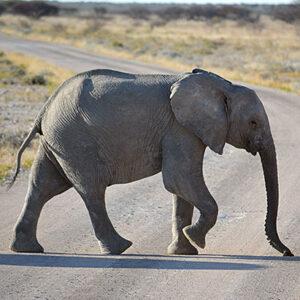
“The game drive through the Addo Park left nothing to be desired. Such big elephant herds, crossing our way directly in front of our car – just fantastic.”Günter Steglich | South Africa Experience Guest

Self drive and guided game drives
Explore Addo’s wildlife on self drive safaris or join experienced guides.

Birdwatching
With over 400 species recorded, Addo is a rewarding destination for birdwatchers.

Hiking trails
Walking trails offer a closer look at the park’s landscapes and smaller wildlife.
Things to do
Activities aplenty at Addo Elephant National Park
Whether on a day trip or extended stay at Addo Elephant Park, you’ll find plenty to do. While self-drive safaris are easy, many opt to join guided game drives. There are several scenic picnic spots in the park. Birdwatching and visits to cultural heritage sites are very rewarding. For a more intimate wildlife experience, hiking and horseback trails are the way to go.
- Self-drive game viewing
- Guided game drives
- Birdwatching
- Hiking trails
- Marine Tours

Rhinoceros
Rhinoceros are part of the Big Five that can be seen in Addo Elephant National Park.

Hyena
Spotted hyenas are among the predators found in the park.

Over 400 bird species
Addo’s varied habitats support more than 400 recorded bird species.
WILDLIFE IN ADDO ELEPHANT PARK
See terrestrial and marine wildlife
A myriad species await discovery across the diverse habitats of Addo Elephant National Park. Among the most prominent are the over 600 elephants, a thriving population of rhinos, and a range of African plains game.
The park is also home to a small number of lions and hyenas, while leopards are only seen from time to time. Cheetahs and wild dogs, however, are not present.
- The Big 5
- Hyenas, jackals and other small predators
- Over 400 bird species
Where to stay in and near Addo Elephant Park


Location
Easily accessible by road, Addo Elephant National Park’s Matyholweni Gate is is located in South Africa’s Eastern Cape, only 45 km (28 mi) from Port Elizabeth International Airport. The main entrance and camp are 102 km from the airport.
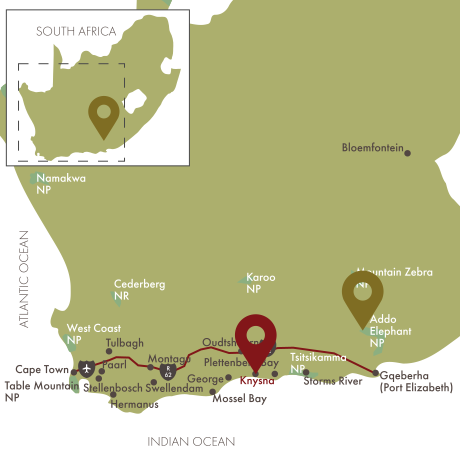
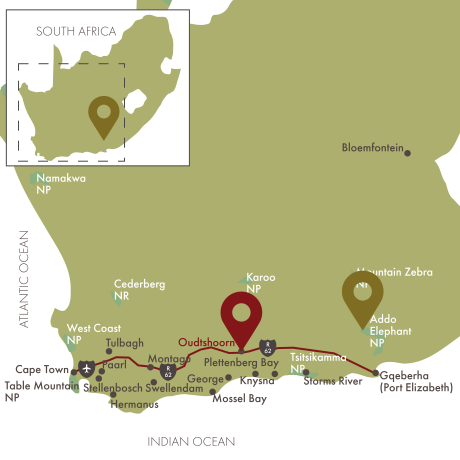
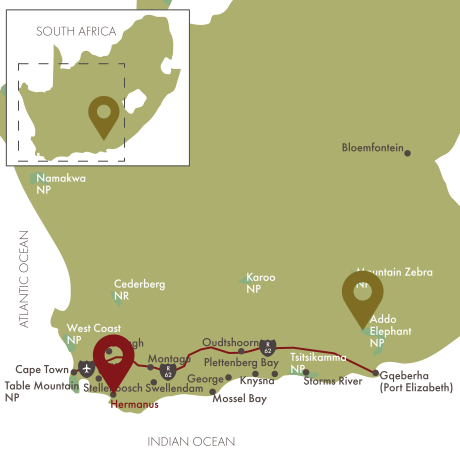
For those wishing to visit the Garden Route, the park is the ideal place to add a little wildlife adventure to your beach holiday – it’s approximately 330 km (205 mi) from Knysna by car. There are no direct flights available.
Addo opens its gates to visitors at 07am and closes at 7pm. There are numerous accommodation options both within and outside the park, offering everything from camping to luxury stays.



Experience South Africa with us
Speak to one of our local advisors
x
Let's start planning your trip!
We will get back to you within 2 working days.