 on Google


South African Languages & Culture
South Africa was dubbed the “Rainbow Nation” in the post-apartheid era, a tribute to the country’s many racial, ethnic and cultural influences.
English is the most commonly spoken of the 11 official languages. Visiting South Africa means exploring this complex culture through language, cuisine, music and daily customs.
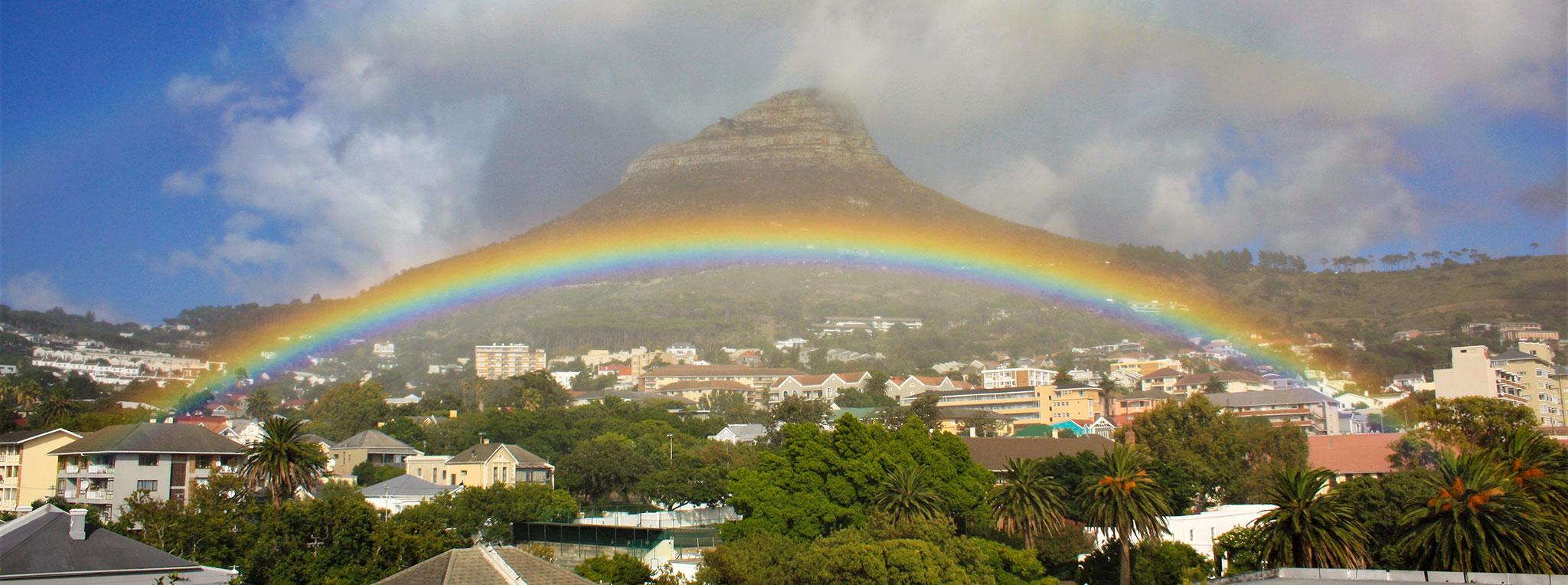
SOUTH AFRICA’S OFFICIAL LANGUAGES
South Africa is a rich tapestry of cultures, traditions and ethnic groups, as reflected in the diversity of languages. There are 11 official languages in South Africa, making it one of the most multilingual nations on earth.
For tourism, business, and media, English is the most prominent language, although it is not the main language for most of the population in South Africa.
Engaging with locals in their native language, even just a few words, is a surefire way to enrich your travel experience and understanding of South African culture.
Here is a breakdown of the official languages spoken in South Africa, where they are spoken, and some key phrases to get you started:
IsiZulu
The most widely spoken language in South Africa is spoken by its largest ethnic group: the Zulus. It is especially common in the vicinity of KwaZulu-Natal’s tourist destinations, such as the Drakensberg Mountains, iSimangaliso Wetland and Hluhluwe-iMfolozi Parks.
- Hello: Sawubona (singular) / Sanibonani (plural)
- Thank you: Ngiyabonga
IsiXhosa
Famous for its distinct click sounds, this language can be challenging to learn. Spoken by the Xhosa people, it is the dominant language of the Eastern Cape, including the Wild Coast and Addo Elephant Park. It is also frequently spoken along Route 62 and the Garden Route.
- Hello: Molo (sing.) / Molweni (plur.)
- Thank you: Enkosi
Afrikaans
Evolved from Dutch, Flemish, French and German, Afrikaans is widely spoken by all ethnic groups across the country. It is a key language in the Northern and Western Cape, especially Cape Town and the Cape Winelands.
- Hello: Goeie dag (Good day)
- Thank you: Dankie
Sepedi, Setswana, and Sesotho
These closely related languages are spoken across the country’s interior. Sepedi is dominant in Limpopo, adjoining the northern Kruger National Park. Setswana is dominant in Northwest Province, around Pilanesberg National Park, while Sesotho is dominant in the Free State and southern Drakensberg.
- Sepedi Hello: Dumelang
- Sepedi Thank you: Ke a leboga
- Setswana Hello: Dumela
- Setswana Thank you: Ke a leboga
- Sesotho Hello: Dumela
- Sesotho Thank you: Ke a leboha
Tshivenda and Xitsonga
These languages are spoken in the border areas of the Kruger National Park, as well as the Timbavati and Sabi Sand Private Game Reserves. They are spoken by the Venda and Tsonga people, respectively.
- Tshivenda Hello: Ndaa (male) / Aa (female)
- Tshivenda Thank you: Ndi a livhuwa
- Xitsonga Hello: Avuxeni
- Xitsonga Thank you: Inkomu
Ndebele, SiSwati and English
The remaining official languages of South Africa include isiNdebele and SiSwati, both of which are spoken in the areas adjacent to the southern Kruger National Park, including the neighbouring country of Eswatini.
Meanwhile, English is spoken across the entire country, especially in major cities like Johannesburg, Cape Town and Durban. You can expect it to be spoken at all tourist destinations across the country.
There is a push across the country to provide guides proficient in some European languages, including German, French and Italian.
Appreciating the diversity of languages in South Africa is your first step to a rich and rewarding experience in this fascinating country.
Engaging with our local guides is a wonderful way to experience South Africa’s culture, stories and languages firsthand.
CULTURAL GROUPS IN SOUTH AFRICA
South Africa’s identity as the “Rainbow Nation” is best understood through its diverse people. Thanks to a multi-faceted history, the country boasts a fascinating mix of South African ethnic groups, each with its own proud heritage, traditions and language.
More than just a journey of landscapes and wildlife, the essence of the country is celebrated in the vibrant mosaic of South African culture.
The major ethnic groups
The major ethnic groups of South Africa belong to one of four population groups: Black African, Coloured, Caucasian and Indian.
Within the Black African group, numerous distinct cultural communities exist. Of these, the Zulus are the largest ethnic group.
The Zulu nation’s history is a central part of South African traditions, where major monarchies played a pivotal role in shaping modern society. The Zulu are renowned for their vibrant South African traditional clothing featuring intricate beadwork and animal hides.
While widespread, their heartland is the KwaZulu-Natal province. Their language, isiZulu, is the most widely spoken in the country.
The second-largest ethnic group are the Xhosas, native to the Eastern Cape and the eastern parts of the Western Cape. In these areas, you’ll occasionally see Xhosa women wearing traditional long skirts with head wraps.
Their language is marked by complex clicking sounds, made famous in the so-called “Click Song” by Miriam Makeba. The Xhosa people boast a rich oral history and continue to practice intricate initiation rites.
Closely related cultural groups, the Sotho and Tswana people traditionally live across the central interior of South Africa. The Sotho people are known to wear unique Basotho blankets, a by-product of their historical range in the cold southern Drakensberg Mountains.
The Tsonga and Venda people are significant ethnic groups, historically located in the northeastern regions adjacent to the Kruger National Park. While the Venda traditionally live in northern Limpopo, bordering neighbouring Zimbabwe, the Tsonga population is spread across eastern Mpumalanga into neighbouring Mozambique.
Many guides and trackers at game lodges in this part of the country are of Tsonga descent.
Other ethnic groups
The second-largest ethnic group in South Africa are known as the Coloureds. They are a diverse group with mixed ancestry who have evolved a cultural identity all of their own.
Their contribution to the Rainbow Nation is personified in a strong affinity with sport, music and Eastern-inspired cuisine. The majority of Coloured people live in the Western and Northern Cape.
Caucasians form the next largest ethnic group, with some families tracing their ancestry back to the arrival of Europeans in the 1500s. The majority of Caucasians in South Africa speak Afrikaans, followed by English.
Afrikaans-speaking Caucasians live mostly in Gauteng and the Free State, while most English-speaking Caucasians reside in KwaZulu-Natal, the Eastern and Western Cape.
Lastly, South Africa has a sizeable Indian community, the majority of which are descendants of arrivals in the mid-1800s. The vast majority live in KwaZulu-Natal.
Now very much integrated into the broader South African population, they have made an indelible mark on the country’s collective culture with their spicy cuisine and vibrant religious festivals.
FOOD & DRINK IN SOUTH AFRICA
Alongside sport, the thing that brings South Africans together most is their love of food. As such, the ‘cuisine-scene’ in the country is a deliciously rich reflection of the diversity in South African culture.
From maize-based staples to eastern-inspired curries, the cuisine tells the story of different communities coming together to break bread. Indeed, sharing a meal is at the heart of many South African traditions, both religious and secular.
Social food
If your visit to South Africa does not include a ‘braai’ or ‘shisanyama’, many locals would argue you didn’t really visit. While some would say it is just a barbecue by a different name, to many locals, it is a social institution where family, friends and strangers automatically find common ground.
Stemming from this campfire cuisine is another firm favourite: potjiekos. Here, a mouth-wateringly tender meat and vegetable stew is slow cooked in a three-legged “potjie” over a fire. Biltong is a cured, dried meat snack enjoyed by everyone.
Inspired cuisine
Beyond these staples, regional cuisines add colour to the culinary variety. In Cape Town, the Cape Malay cuisine of the Coloured community blends Indonesian, Malaysian and Dutch influences in a deliciously fragrant way.
Meanwhile, on the east coast of KwaZulu-Natal, especially in Durban, Indian-inspired curries are a must-try.
Suffice it to say, though, for the more conservative palate, you will easily find something to match your tastes, given South Africans’ love of all things edible. And, by European standards, it is incredibly affordable.
Local beverages
To complement the food, you’ll find excellent local beverages. Most notably, the wines, ports and sherries produced in the Western Cape’s picturesque Winelands.
You’ll also find great locally-brewed beers and ciders, while the indigenous rooibos tea is gaining international popularity. Most popular international beverages are available locally.
RELIGION IN SOUTH AFRICA
Freedom of religion is enshrined in the South African constitution, making its spiritual landscape as diverse as its people. Religion is a key element of South African culture, and many South African ethnic groups have distinct religious beliefs and customs.
The most widespread religion is Christianity, professed by over 80% of the population. Denominations range from the African-initiated Zion Christian Church to various Protestant and Roman Catholic fellowships.
Beyond Christianity, many individuals maintain strong adherence to traditional African religions, which characteristically involve a deep respect for ancestors and faith in traditional healers. Their beliefs and rituals remain an important part of South African traditions.
Segments of the South African population also practise other major religions. Of these, Islam has the largest number of believers, with a strong historical presence in places like Cape Town and a large, active community in Durban.
Similarly, South Africa embraces vibrant Hindu and Jewish communities that have both contributed significantly to the country’s cultural and social fabric. This rich mix of faiths and practices makes South African culture wonderfully unique and spiritually inclusive.
DISCOVER EXCLUSIVE SOUTH AFRICA TOURS

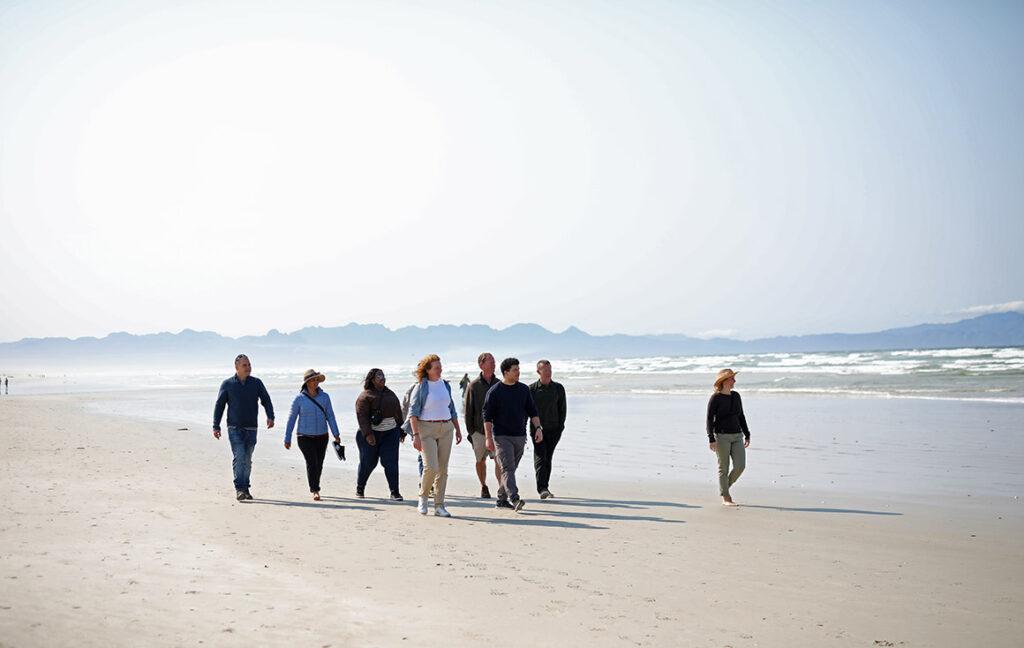
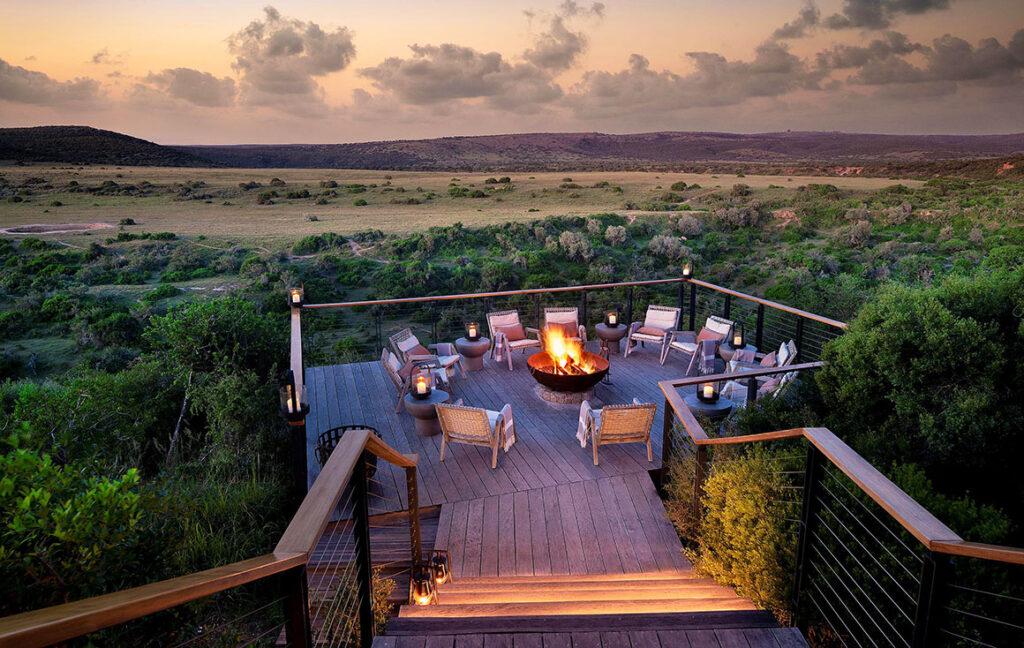



OUR EXPERT ADVICE
THE SPIRIT OF UBUNTU
In South Africa, the concept of Ubuntu (“I am because we are”) celebrates cultural connectedness and humanism. Embrace the diversity of the “Rainbow Nation” by showing respect for elders and acknowledging their customs, languages, and traditions, while avoiding assumptions based on race or ethnicity. It is South Africa’s greatest export and part of South African culture.

Experience South Africa with us
Speak to one of our local advisors
x
Let's start planning your trip!
We will get back to you within 2 working days.